
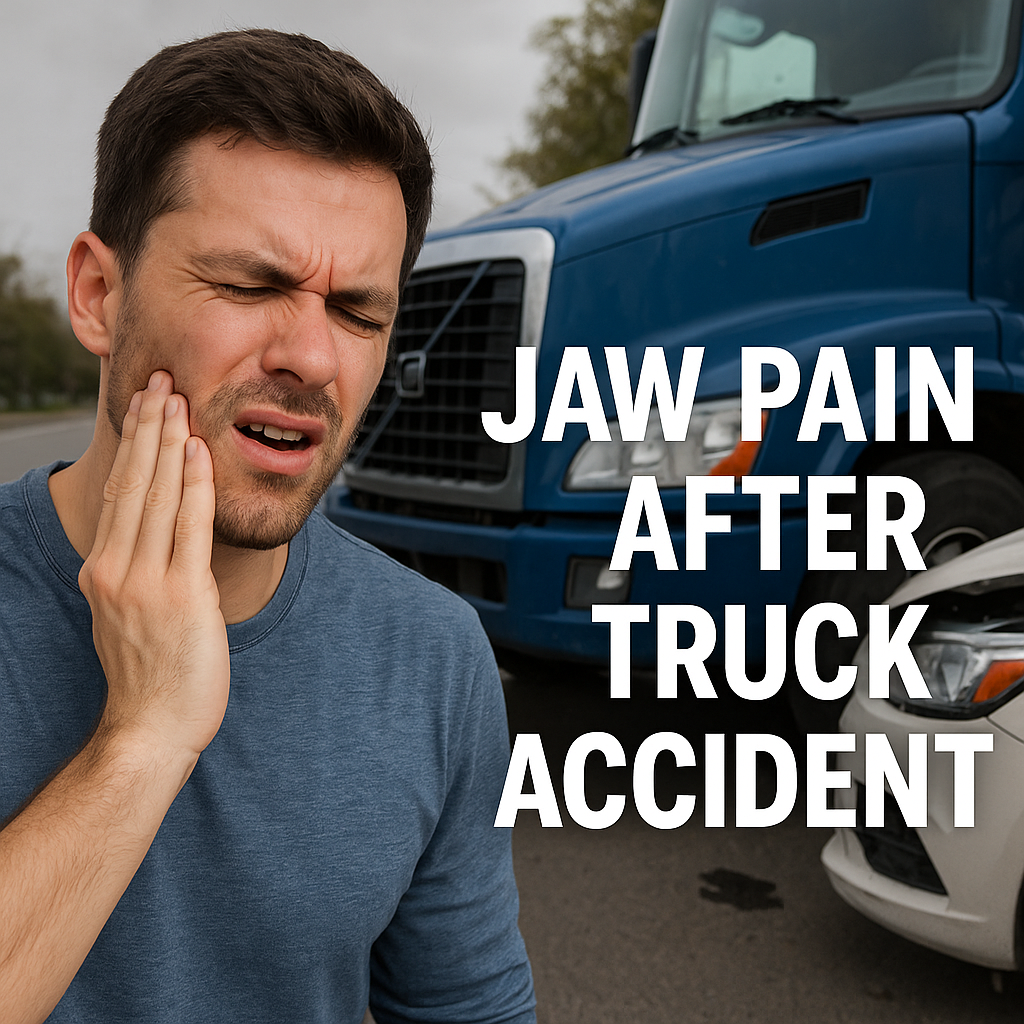
Jaw Pain After Truck Accidents: What to Know About Post-Accident Symptoms
Experiencing a truck accident can result in a wide range of physical and emotional responses. Among these, jaw pain is a symptom that some people may notice, either shortly after the incident or days later. Understanding why jaw pain might develop, how these symptoms can change, and when individuals often start paying closer attention to them can be helpful for anyone recovering from such a significant event. This article explores educational aspects of jaw pain after truck accidents, alongside common patterns and considerations to keep in mind.
—
Why Symptoms Can Appear After Truck Accidents
A truck accident is a sudden, often violent event that can put intense force on the body—even when seatbelts and airbags are in use. The jaw, being a major joint in the face and closely connected to the head and neck, can be affected in several indirect ways during a collision:
– Impact: Even minor impacts or abrupt jolts can send force through the chin or face, potentially affecting muscles, joints, or ligaments in the jaw area.
– Whiplash: The abrupt back-and-forth movement common in vehicle collisions can also involve the jaw, since it’s connected through the neck and skull base.
– Stress Response: Emotional shock, anxiety, or physical bracing during a collision (such as clenching the jaw tightly) can strain the muscles around the jaw.
These factors mean jaw discomfort can result from a combination of direct and indirect forces during the accident and in the minutes or hours that follow.
—
Common Symptom Patterns
Jaw pain after a truck accident can present in several ways, reflecting the varied experiences people may have:
– Delayed Onset: Some individuals notice jaw discomfort immediately, while others only experience symptoms hours or days afterwards.
– Localized Soreness: Pain might be felt in a specific area such as near the ear, the cheek, or the chin.
– General Aching: For some, the sensation might be more diffuse, resulting in a dull ache that spreads through the jaw area.
– Stiffness and Clicking: People might become aware of stiffness, a sensation of “tightness,” or even a clicking noise when moving the jaw.
– Associated Symptoms: Occasionally, discomfort in the jaw can coincide with other sensations, such as headaches, neck soreness, or sensitive teeth.
Each person’s experience with jaw pain after a truck accident can be unique, and the patterns can evolve over time depending on individual factors and the accident itself.
—
Why Symptoms Can Change Over Time
It’s not uncommon for symptoms after a truck accident—such as jaw pain—to shift or evolve over the days and weeks that follow. Several factors can contribute to this phenomenon:
– Inflammation: After an accident, the body’s natural inflammation response can increase discomfort, sometimes peaking a day or two after the event rather than immediately.
– Muscle Response: Muscles and ligaments may react to trauma with tightening (spasms) or delayed soreness due to stress or overuse.
– Awareness and Activity: As daily activities are resumed, movements like speaking, chewing, or yawning may highlight discomfort that went unnoticed at first.
– Emotional Factors: Stress or anxiety following a distressing event can result in unintentional jaw clenching or teeth grinding, further influencing symptoms.
These dynamics mean that even if pain seems minor initially, staying attuned to changes in sensation over time can be important for overall awareness.
—
When People Typically Start Monitoring Symptoms
Awareness of physical changes generally increases in the hours and days after a truck accident, once the immediate shock has faded. Many individuals begin to notice or monitor jaw pain under several circumstances:
– After Initial Recovery: As adrenaline wears off, discomfort that was initially masked may start to become more apparent.
– With Daily Routines: Routine activities—eating, speaking, or even brushing teeth—can make jaw sensitivity more obvious.
– Following New Symptoms: The emergence of headaches, neck pain, or facial soreness might prompt closer attention to the jaw area as part of a broader pattern of post-accident symptoms.
– Due to Emotional Distress: Feelings of stress or anxiety about the accident may lead people to notice physical tension in the jaw muscles, particularly during episodes of worry or sleep.
This monitoring is often an organic process, informed both by physical sensations and by the resumption of normal activities. Awareness tends to grow as individuals pay more attention to how they feel physically and emotionally in the days after the accident.
—
Neutral Closing Paragraph
Jaw pain after a truck accident can be an unexpected and sometimes confusing experience, especially when symptoms arise or change over time. While only a health professional can assess and provide individual advice, increasing awareness of symptom patterns and the ways these can develop is an important step in understanding the body’s response to significant events. Being attentive to physical sensations and documenting changes, without jumping to conclusions, can provide valuable insights for ongoing wellbeing and communication about post-accident experiences.