
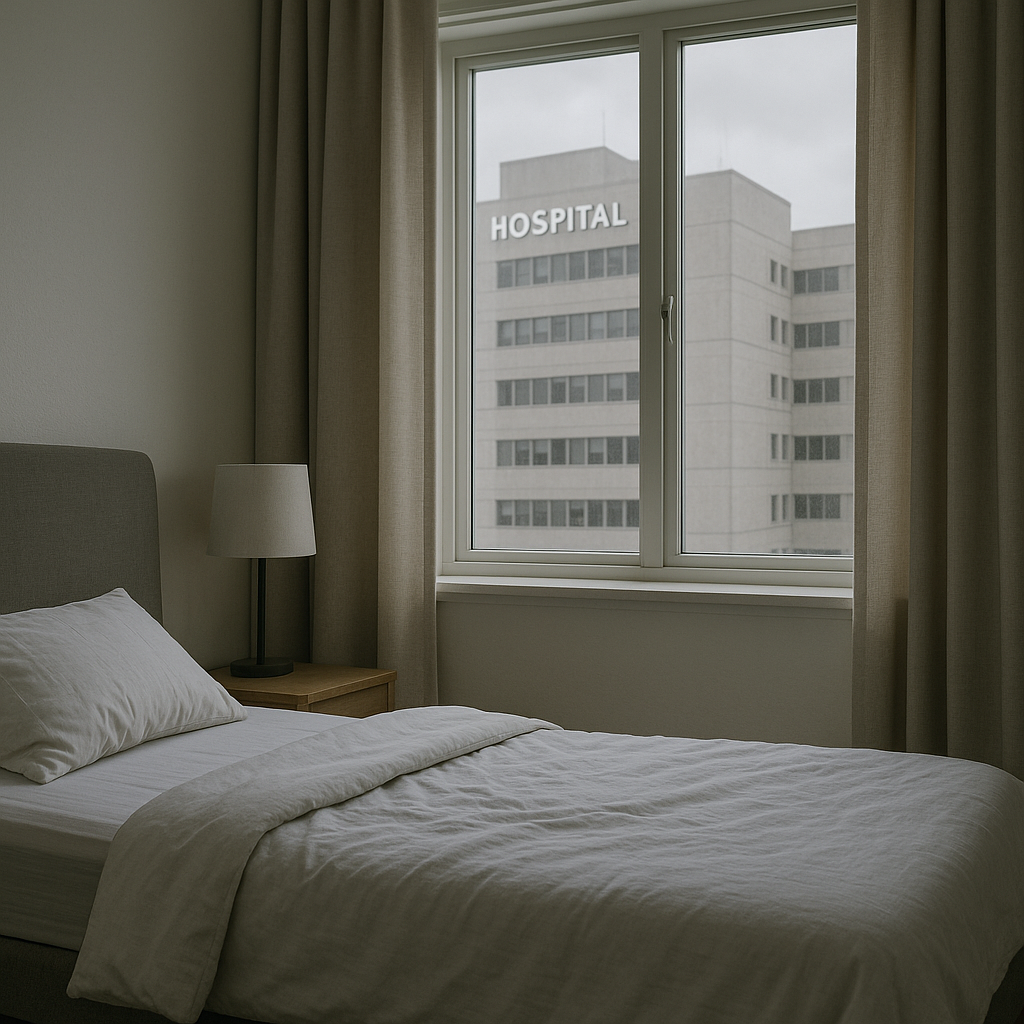
Adjusting to Home Sleep After Inpatient Care
Transitioning from an inpatient care setting back to the comfort of home can feel like a major milestone in recovery—whether following medical treatment, surgery, or a mental health intervention. However, for many people, the journey also comes with unexpected challenges, especially when it comes to sleep. The disruption of routine, changes in environment, and lingering stress can all impact how well you rest at home. This article explores the complexities of adjusting to home sleep after inpatient care, offering a thoughtful look at the psychological and physiological factors involved in this important part of healing.
Overview of Stress and Sleep Disruption After Trauma
Inpatient care, by nature, often follows a period of acute illness, surgery, injury, or psychological crisis. The experience in itself can be both physically and emotionally taxing. Even when care is exemplary, environments such as hospitals or residential facilities rarely provide the restfulness typically found at home. Alarms, monitoring checks, lighting, and unfamiliar surroundings can fragment sleep. Upon discharge, an individual may anticipate better sleep at home, but experience shows that the transition can also trigger new sleep challenges.
The nature of trauma—physical or emotional—can set off cycles of stress that continue to affect sleep patterns long after leaving inpatient care. The brain’s natural response to trauma includes heightened vigilance, irritability, and difficulty unwinding, all of which can make falling or staying asleep more difficult. In addition, some individuals develop associations between illness, recovery, and nighttime worry, which may get transferred from the hospital setting into the home environment.
As such, the process of adjusting to home sleep after inpatient care involves not just physical healing, but also an active adaptation of sleep routines and coping strategies.
Common Sleep-Related Issues People Report
Many people undergoing this transition report a variety of sleep disturbances. These can include:
– Difficulty falling asleep: After being used to the noise and activity of inpatient settings, the quiet or unfamiliar sounds of home can actually feel unnerving.
– Frequent awakenings: Concerns about health, fear of recurrence of illness, or anxiety about being without direct medical supervision at night can interrupt sleep.
– Nightmares or vivid dreams: The mind often processes stressful experiences during rest, leading to unsettling dreams or nightmares.
– Changing sleep-wake times: Hospital routines sometimes impose strict schedules, and adjusting back to a personal sleep routine can cause temporary insomnia or inconsistent sleep times.
– Daytime sleepiness or fatigue: Poor rest overnight may leave individuals feeling lethargic or unfocused during the day.
Recognizing these patterns is important—not as reasons for alarm, but as common reactions to a significant change in circumstance.
Stress Cycle Effects on Energy and Focus
The interplay between stress and sleep can create a feedback loop that impairs overall energy and cognitive functioning. When sleep is disrupted by stress—sometimes called the “stress-sleep cycle”—individuals may find it harder to concentrate, remember information, or maintain emotional balance. This can be particularly noticeable after discharge, as the demands of daily life resume and new stressors arise.
Worries regarding personal health, fear of setbacks, or anticipating adjustments to family and work life can all activate the body’s stress response. Elevated stress hormones can make it even more difficult to achieve restorative sleep, leading to increased daytime exhaustion and further difficulty transitioning back to regular home routines. This is a normal, though frustrating, byproduct of the recovery process and highlights the importance of patience and self-compassion during this phase.
How Sleep Patterns Evolve During Recovery
Adapting from inpatient sleep routines to a home environment is rarely instantaneous. In the early stages after returning home, disrupted sleep patterns are common as the body and mind readjust. The mechanisms behind this adjustment can be both environmental and psychological:
– Environmental cues: At home, there is usually more control over factors like light, noise, and bedding. Re-learning to associate home with comfort and relaxation does not always happen right away, especially if sleep was difficult prior to hospitalization.
– Routine rebuilding: Hospital routines, with their fixed schedules for medication, meals, and lights-out times, may differ significantly from one’s previous lifestyle. Re-establishing a preferred bedtime routine at home (such as reading, listening to music, or a warm shower) can gently guide the body toward healthier sleep.
– Physical and mental healing: The natural healing process involves both body and brain. Some physical symptoms may persist, such as pain or discomfort, and psychological healing—processing the experience of illness or hospitalization—can span weeks or months.
– Gradual improvement: Most people notice sleep patterns slowly stabilizing over time. Brief setbacks can occur, often triggered by stress, pain, or reminders of the inpatient experience. Over time, however, the body often adapts, and many people return to a more restorative sleep cycle.
Learning to observe and accept changing sleep patterns as a dynamic aspect of recovery can help build resilience and reduce anxiety around the process.
Neutral Closing Paragraph
Adjusting to home sleep after inpatient care is an important aspect of holistic recovery. It involves more than just moving from one bed to another; it requires adapting both mind and body to new routines and environments. Sleep challenges are common and understandable after the upheaval of hospitalization or intensive treatment. By acknowledging the reality of disrupted sleep and being patient with the adjustment process, individuals can support their overall well-being as they transition back to the rhythms of daily life. While changes in sleep after inpatient care are often temporary, the experience provides valuable insights into resilience and the natural ebb and flow of healing.