
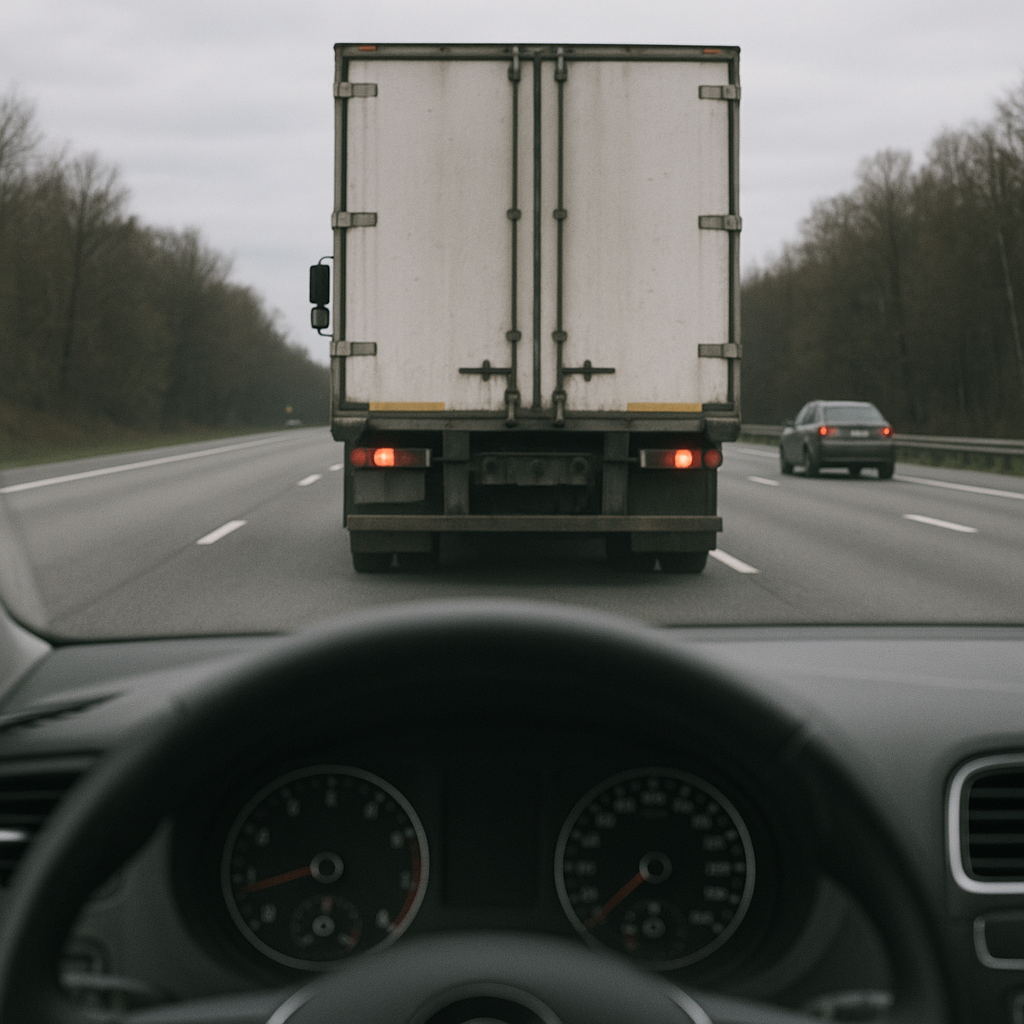
Why Do I Feel Nervous When a Truck Tailgates?
When driving, one of the most unsettling experiences can be looking in your rearview mirror and seeing a large truck following closely behind. It’s common to feel a surge of anxiety or nervousness when a heavy vehicle tailgates. But what makes this scenario so universally unnerving? Understanding the roots of these feelings can shed light on why the situation is so common, especially after hearing about or witnessing severe accidents.
Why This Question Is Common After Severe Accidents
Questions about feeling nervous when a truck tailgates arise frequently following news of severe road accidents. Stories about crashes involving large trucks often gain significant media attention, creating a heightened sense of awareness around the dangers posed by heavy vehicles. Truck accidents tend to result in more severe outcomes compared to collisions between smaller vehicles, simply due to their size and weight. The aftermath of such accidents—devastation, injuries, and sometimes loss of life—amplifies public sensitivity to truck-related road hazards.
When people hear about or observe these accidents, their perception of risk increases, even if the actual statistical likelihood of being involved in a similar incident remains relatively low. For many, this heightened awareness lingers on the road, especially when faced with an imposing truck mere feet from their bumper. The link between truck accidents and severe consequences feeds into a collective unease, making the question, “Why do I feel nervous when a truck tailgates?” especially relevant.
Clear Neutral Explanation
The nervousness felt when a truck tailgates stems from a combination of psychological, physiological, and logical factors. Larger vehicles, like trucks, are easily perceived as more threatening than smaller cars. This is partly due to the physical laws of motion: trucks require longer stopping distances and have significantly more mass, making any potential collision more dangerous.
From a psychological standpoint, humans are hardwired to detect and respond to threats. When a large truck encroaches closely behind, the sense of personal safety and control diminishes. The large presence in the mirror, the sound of rumbling engines, and the knowledge of the truck’s size can trigger a “fight or flight” stress response. The feeling is not just imagined—there is a real increase in risk when a vehicle is tailgating, truck or otherwise. However, the magnitude and mass of a truck amplify the potential consequences, making the nervousness more intense and immediate.
The nervous truck tailgates scenario is further intensified by the limited options a driver might feel they have. Often, it can seem like there’s little opportunity to move out of the way or increase the gap between vehicles. This sense of being “boxed in” or trapped can add to the feeling of anxiety.
Helpful Emotional Context
Understanding the emotional side of this experience helps clarify why it feels so visceral. Feeling nervous in the presence of a tailgating truck is, at its core, a normal human reaction to perceived danger. Emotions serve as warning signals, drawing attention to potential threats—real or perceived. The size gap between a standard vehicle and a truck, along with the loud mechanical noises and looming presence, can trigger a strong emotional response.
Often, memories of previous close calls, personal experiences with aggressive drivers, or simply hearing about accidents involving trucks can heighten this emotional response. For some, the nervousness might even feel disproportionate to the situation, but it is still valid. Emotional responses are shaped by individual history, context, and sensitivity to perceived risks. The key is recognizing that these feelings come from a natural desire for safety on the road.
Common Misconceptions
Several misconceptions can add to the stress of being tailgated by a truck. One common misconception is believing that truck drivers are always acting aggressively or intentionally trying to intimidate. While aggressive driving exists, many factors can contribute to a truck following closely, such as heavy traffic, road conditions, or limited visibility on their end due to blind spots. Not all tailgating is an act of aggression.
Another misconception is that there is always a simple solution available, such as moving out of the way. In many real-world driving situations, options can be limited by traffic flow, road design, or the behavior of other drivers. The anxiety felt in these moments does not indicate a lack of skill or awareness.
It is also commonly believed that being on edge while driving is a sign of inexperience. In reality, even seasoned drivers can feel nervous when a truck tailgates—especially if they have been impacted by news or memories of serious crashes. The nervousness is a perfectly natural response to a high-risk, high-pressure scenario.
Closing Paragraph
Feeling nervous when a truck tailgates is a shared human experience that is grounded in both emotion and logic. The imposing presence of a heavy vehicle directly behind, combined with ongoing awareness of road accident severity, creates a climate where anxiety is understandable and common. Rather than seeing these feelings as weaknesses or overreactions, it can be helpful to recognize them as normal responses to situations that genuinely involve increased risk and alertness. The “nervous truck tailgates” scenario is about more than just the vehicles—it’s about the complex interplay of safety, perception, and the ingrained desire to protect oneself on the road.