
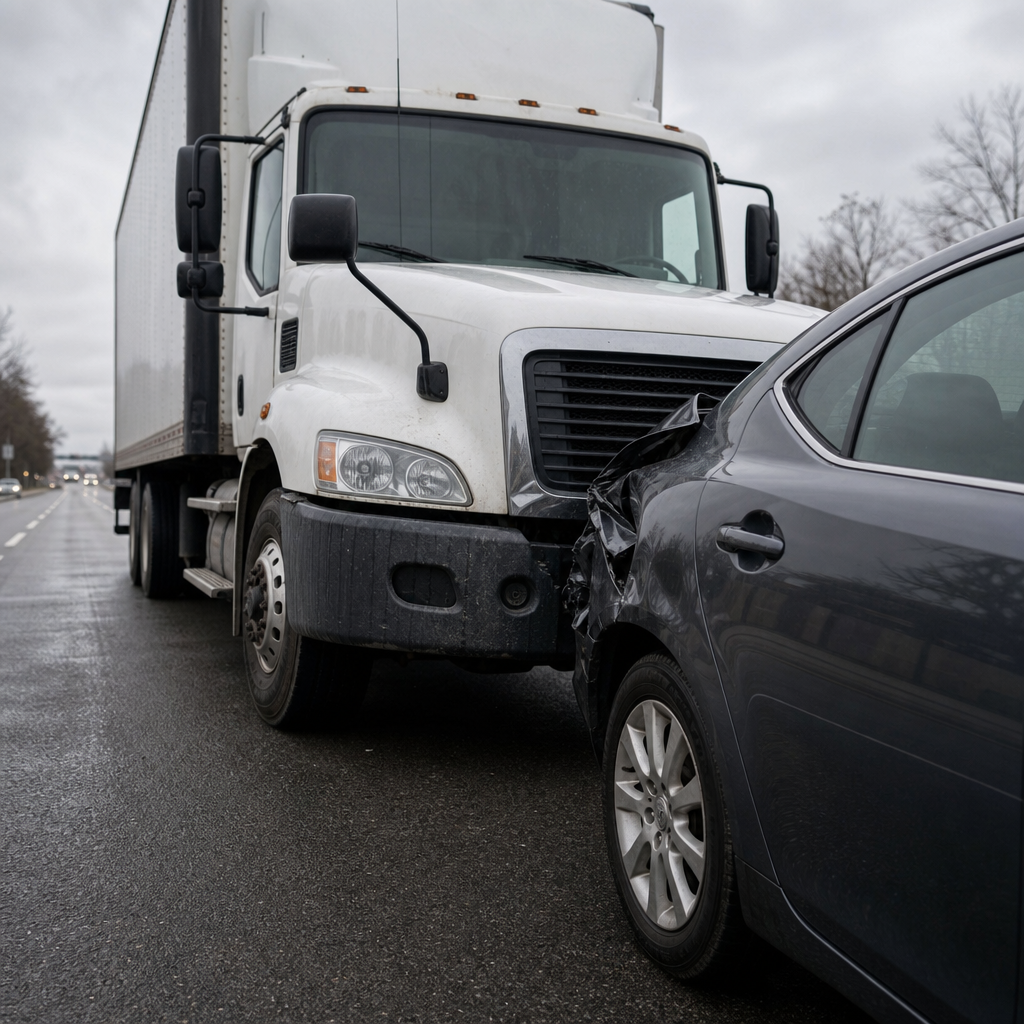
Nobody leaves home in the morning expecting life to turn upside down, yet for many, a moment on the highway changes everything. A semi truck accident sometimes introduces a set of challenges and unexpected realities that reach far beyond the roadside.
Life After the Crash
Daily routines often become unrecognizable. Some find simple movements harder than before while adapting to mobility aids or braces. Climbing stairs or reaching for a mug may suddenly require new strategies. The process of adjusting to new limitations can feel never-ending.
Family life feels these ripples, too. Rides to therapy replace after-school activities. Dinner-table conversations occasionally shift toward doctor visits and progress reports, adding a new thread to familiar family rhythms.
Emotional Shifts and Unfamiliar Feelings
Waves of emotion can show up unannounced. Frustration over lost independence, sadness at missed events, or anxiety back in traffic are not uncommon. Tears mingle with laughter as new realities settle in. Moods may shift from hope to doubt within hours, creating an emotional mosaic that can puzzle even the most straightforward personalities.
Sleep sometimes grows elusive. Some lie awake, replaying those few seconds again and again, hunting for answers. Others find comfort in different routines, seeking small pockets of peace.
Work and Everyday Responsibilities
Returning to work brings another layer of complexity. Tasks that once came easily—typing, lifting, standing for long stretches—now pose fresh hurdles. Schedules might be rearranged or reduced, and coworkers often ask how things are going, their concern both comforting and awkward.
Groceries, chores, and errands require more planning. Just getting dressed may take longer, turning what seemed easy into a thoughtful process. Friends and neighbors sometimes step in, but many prefer navigating their daily world as independently as possible.
Changing Social Connections
Relationships evolve in ways no one expects. Some notice old friends checking in more often, while others drift away, uncertain of what to say. Invitations to outings may decrease, or people show up with open hands to offer help. Isolation can creep in around the edges, especially when physical challenges limit spontaneous plans.
Hobbies and gatherings might fall by the wayside for a time. Some discover new interests from home, while others work to maintain cherished rituals, even if they look a little different now.
This page is for general informational purposes only. It does not provide legal advice or direction of any kind.