
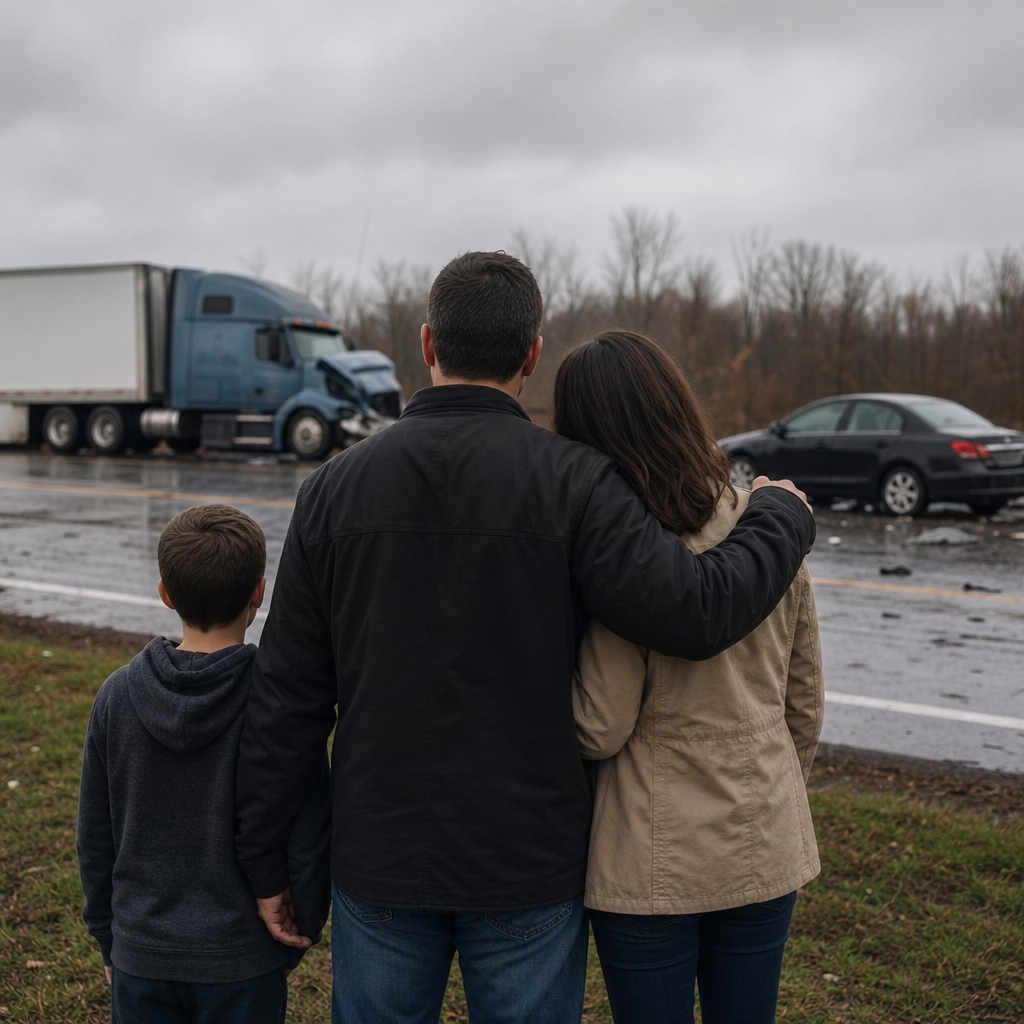
One afternoon changes everything. Daily routines crumble. Unfamiliar faces show up at the hospital. People sift through moments in a blur, wondering if life will ever settle again.
Day-to-Day Disruptions
Basic routines start to unravel. Getting out of bed in the morning often feels heavier. Washing dishes turns into a battle with swelling joints or stiff muscles. Commuting becomes daunting after the memory of screeching brakes and shattered glass. Work schedules go sideways; some folks find themselves missing shifts, while others try working from home, distracted by pain.
Friends and family pick up slack with meals or errands. Children sense when something is off, tiptoeing around conversations. Evenings once reserved for leisure turn into a carousel of appointments and phone calls.
Emotional Fallout
After a serious crash, nerves jitter for weeks, sometimes longer. Seemingly simple tasks like driving by the scene trigger anxiety. Some people find themselves jumping at loud noises or tensing up in traffic. Restless sleep becomes common; racing thoughts visit at night.
Shifting moods slip in without warning. Tears show up uninvited over breakfast or during a commercial break. Some folks talk less, feeling foggy or distant, unsure how to process the upheaval now stitched through daily life.
Social and Relationship Strains
Friend groups feel the tension. Invitations get declined, and those close start checking in less often. Social outings lose spark when someone’s energy wanes or discomfort flares up. Some friendships deepen, while others drift.
Family bonds may stretch under the weight of new responsibilities. Spouses find themselves navigating endless logistics—medications, transportation, helping with showers or stairs. Routine conversations morph into updates about aches, insurance calls, or doctor visits.
Changes in Mobility and Independence
Once-ordinary tasks like loading groceries or carrying laundry grow overwhelming. Some rely on crutches, walkers, or canes; stairs become obstacles. Public places pose problems, too. Slippery sidewalks and crowded shopping aisles pose risk. Independence feels threatened when picking up kids from school or taking care of pets no longer seems manageable.
People who used to relish outdoor walks or weekend trips may find themselves staying home, recalibrating what a “normal” day looks like. Over time, adjustments pile up, reshaping how life moves forward from one moment to the next.
This page is for general informational purposes only. It does not provide legal advice or direction of any kind.