
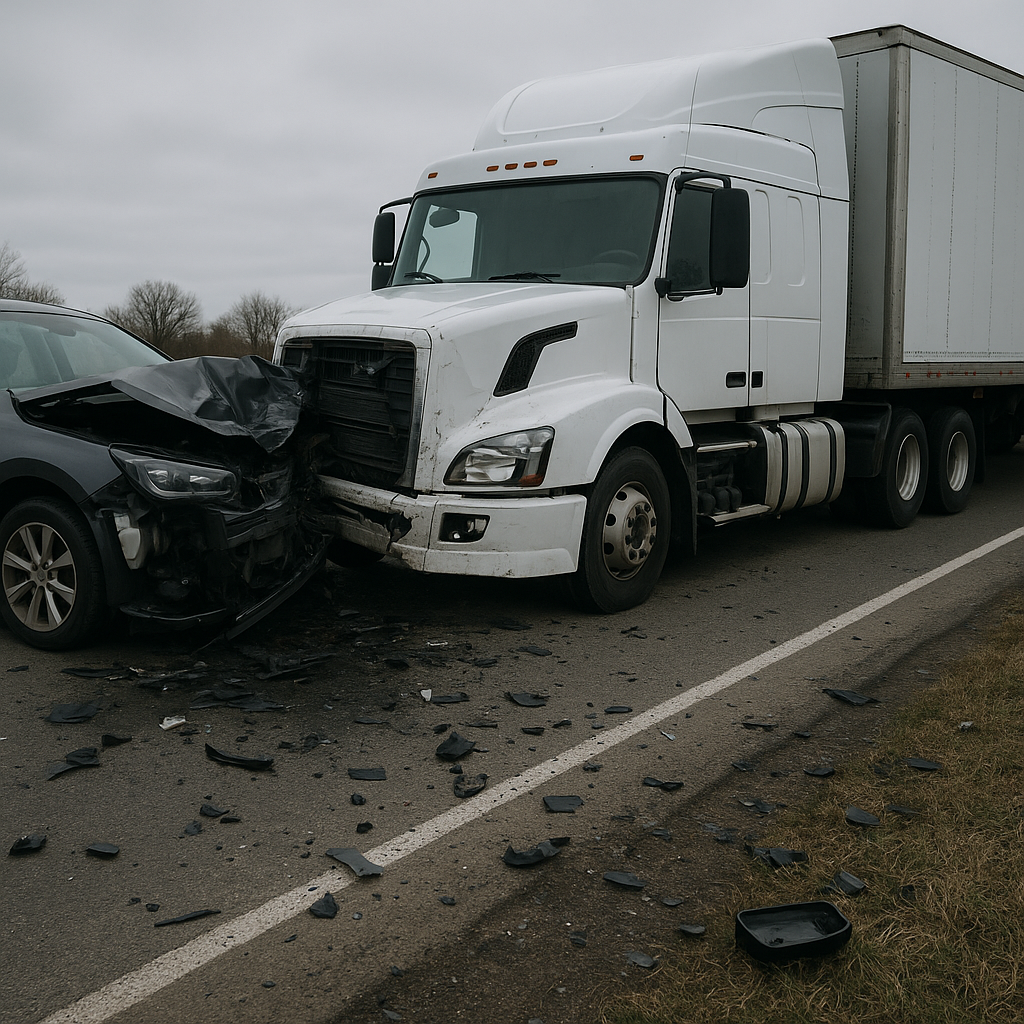
Feeling Anger at Yourself After a Truck Crash
Experiencing a truck crash is a profoundly unsettling event, often accompanied by a wide range of emotional reactions. Among them, feeling anger at yourself after a truck crash is especially common, yet can be difficult to understand and process. This article aims to explore why these feelings occur, how they form part of the normal response to a traumatic event, and how such emotions may shift and change over time.
Overview of Shock and Trauma After Truck Accidents
Truck crashes are not only physically dangerous but also deeply traumatic on a psychological level. In the aftermath of such an incident, individuals may find themselves in a state of shock. This initial reaction—marked by confusion, disbelief, or emotional numbness—is the body and mind’s way of coping with a sudden, overwhelming event.
After the shock subsides, trauma can manifest in several ways. Truck crashes can bring about feelings such as fear, sadness, and frustration. Some people also report recurrent thoughts about the event, trouble sleeping, withdrawal from daily activities, or uneasiness in situations that remind them of the crash.
Importantly, one of the strongest yet most misunderstood responses is anger at oneself—a persistent questioning of personal decisions, actions, or perceived mistakes that may have contributed to the crash. This reaction can be burdensome and, at times, deeply distressing.
Why the Body and Mind React This Way
Human beings are wired to respond to dangerous or life-altering events with an array of physical and psychological defenses. The experience of a truck crash abruptly disrupts a person’s routine sense of safety and control. This disruption can activate the body’s stress response system, which focuses on immediate survival but also sets the stage for complex emotional responses afterward.
Common Reactions People Experience
For those who have survived a truck crash, emotional responses may include:
– Self-directed anger and blame: Many individuals replay the moments leading up to the crash, scrutinizing their actions and decisions. This often leads to internal statements like “If only I had…” or “Why did I…?” Such thoughts can fuel a sense of guilt or self-reproach, even if the circumstances were largely out of one’s control.
– Regret and second-guessing: Individuals might dwell on the choices they made before or during the incident, questioning whether different actions could have prevented the outcome.
– Anxiety and hyper-vigilance: There is often an increased sense of unease or wariness about driving near trucks, returning to driving in general, or being a passenger in a vehicle.
– Numbness or detachment: As a way to protect itself, the mind sometimes leads individuals to feel emotionally flat or disconnected from the event.
– Sadness or tears: Natural sadness may arise from the sense of loss, whether it involves physical injury, property, or simply the disruption of normal life.
These reactions are not signs of weakness or personal failure. Rather, they are common responses to traumatic circumstances, integrating both emotional and cognitive attempts to regain understanding and control.
How These Reactions Can Change Over Time
Immediately following the crash, emotions are often sharp and overwhelming. In particular, those feeling anger at themselves after a truck crash may find these thoughts are persistent and hard to shake. Over time, however, the intensity and nature of these reactions can begin to shift.
For some, self-anger gradually lessens as the mind processes the event and begins to understand the complexity of the situation. As days and weeks pass, individuals may start to see the circumstances more clearly, recognizing the many factors—often outside of anyone’s direct control—that contributed to the crash. The process might involve coming to terms with the reality that accidents, by their nature, are unpredictable and not always preventable.
In other cases, feelings of anger or guilt may resurface unexpectedly. Triggers such as revisiting the scene, talking with others about the event, or encountering similar news stories may briefly intensify these emotions again. With time, and often with support, the mind reprocesses these feelings, integrating the experience into one’s broader memory and sense of self.
It is also possible for some individuals to experience prolonged emotional distress. Factors that might influence this include prior experiences, the severity and outcome of the crash, or a pre-existing tendency toward self-criticism. In general, though, with patience and as the trauma subsides, emotional responses—anger included—tend to evolve, allowing individuals to regain a sense of equilibrium.
Closing Reassurance Paragraph
Experiencing anger at yourself after a truck crash is a common and understandable response. The ways in which the body and mind react are natural, reflecting both the magnitude of the event and the deeply human desire to make sense of what has happened. Each person’s journey through recovery is unique, and emotions associated with traumatic events can change over time. Recognizing these patterns may offer some clarity and patience as you move through this period.