
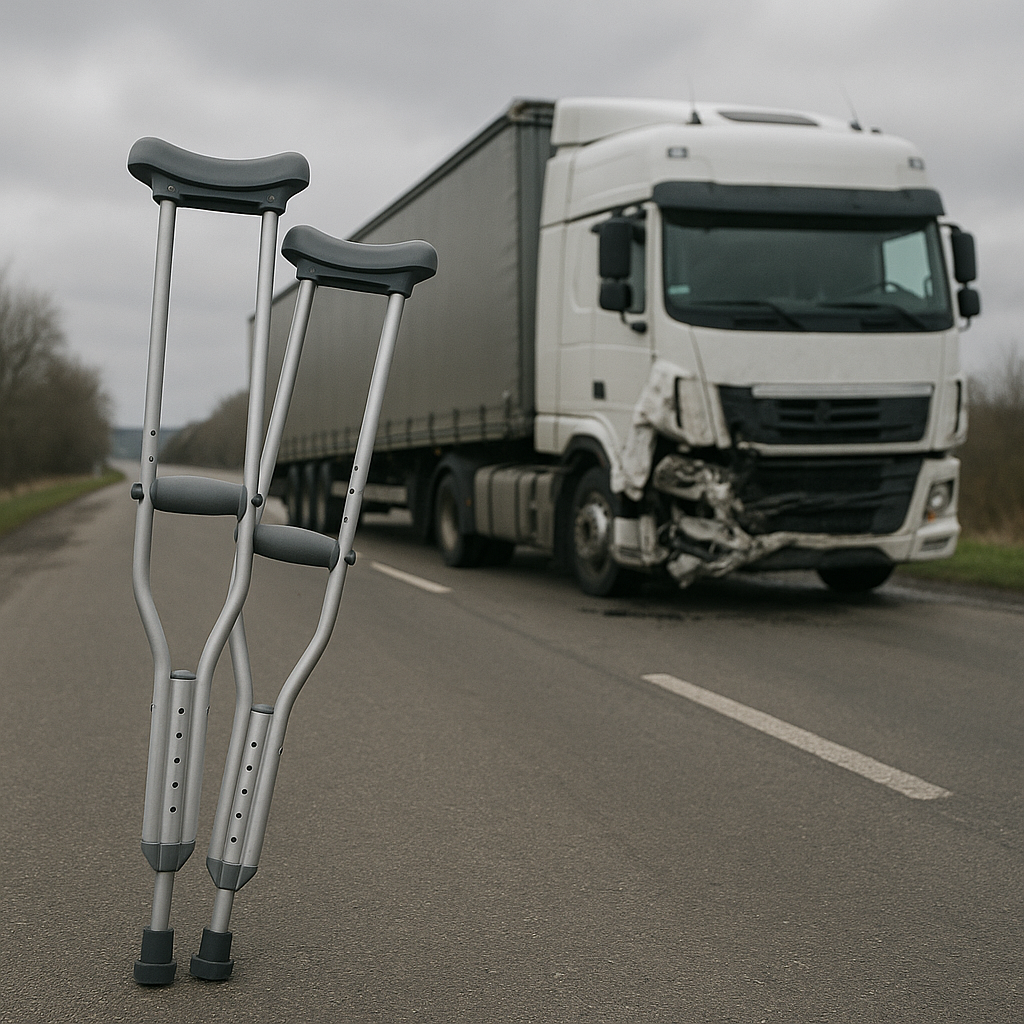
Coping with Limited Mobility After Truck Accidents
Overview of Daily Coping Challenges After Severe Truck Accidents
Surviving a severe truck accident often involves a long journey of adaptation, especially for individuals faced with limited mobility as a result. Far from being a one-time event, the aftermath introduces ongoing adjustments to both physical and emotional aspects of daily life. The need to rely on new routines, equipment, environments, and support systems changes not only how one moves but how one interacts with the world. Coping with limited mobility after a truck accident can present substantial daily obstacles, and the process of adapting often requires patience, resilience, and a willingness to embrace new ways of living.
For many, the shift is not only physical but also deeply psychological. Former routines—such as driving, working, or partaking in social activities—may be inaccessible or require substantial modification. This adjustment phase is often marked by frustration or even grief for former abilities. However, over time, individuals often discover a diverse range of coping mechanisms and resources that support their journey toward adaptation and improved daily functioning.
Common Daily Difficulties
The transition to life with limited mobility following a truck accident is often punctuated by recurring challenges. While every person’s experience is unique, some of the most common difficulties encountered include:
– Personal Care and Hygiene: Tasks such as bathing, dressing, and grooming may require assistance, adaptive devices, or significant changes to routine.
– Accessibility Barriers: Homes, workplaces, and public spaces may lack ramps, handrails, or other accommodations, limiting independence and mobility.
– Transportation Limitations: Walking, driving, or using public transportation can become significantly more complicated, presenting obstacles to attending appointments or running errands.
– Social Isolation: Limited mobility can reduce participation in social gatherings, hobbies, and community events, leading to feelings of isolation or loneliness.
– Fatigue and Pain: Physical discomfort, chronic pain, or fatigue are common and can impact energy levels and engagement in daily activities.
– Emotional Health Struggles: Experiences of frustration, anxiety, or depression may arise due to lifestyle changes and perceived loss of independence.
– Household Management: Routine chores such as cooking, cleaning, and shopping may become challenging or require outside help.
– Financial Stress: Adapting to new needs, such as home modifications or medical equipment, can result in added expenses and strain.
– Occupational Barriers: Returning to previous work or finding new employment opportunities is often complicated by mobility limitations.
These challenges underscore the need for support systems and adaptations, both immediately after the accident and as recovery progresses.
Practical Coping Systems People Often Use
In the face of limited mobility caused by a truck accident, individuals often draw upon an array of coping systems that help replace or supplement former routines. While every journey is different, several recurring adaptive strategies and support mechanisms are commonly observed among those navigating this transition:
– Assistive Devices: Many people make use of wheelchairs, walkers, canes, or motorized scooters to regain a sense of independence and ease of movement. These devices often become essential tools in daily navigation, both at home and in the community.
– Home Modifications: Structural changes such as installing ramps, stairlifts, grab bars, and accessible bathrooms can create safer, more navigable living environments. Some people find that rearranging furniture or shifting living spaces to a single level improves access and comfort.
– Personal Assistance: Engaging family members, friends, or paid caregivers helps many individuals manage daily routines and complex tasks. This support can span from temporary assistance during recovery to long-term care arrangements.
– Community Resources: Accessing local organizations or support groups offers connection and shared understanding. Peer support networks, both in-person and online, facilitate emotional support, information exchange, and encouragement.
– Adaptive Technologies: The use of specialized tools—such as voice-activated devices, adaptive kitchen utensils, and automated home controls—can make everyday tasks more manageable.
– Routine Adjustments: Modifying daily schedules to accommodate energy levels, pain management, or medical appointments is a common approach to reducing stress and preventing overexertion.
– Professional Support Services: Collaboration with occupational therapists, physical therapists, or rehabilitation specialists helps optimize function and independence within the context of new physical realities.
– Accessible Transportation Solutions: Many use paratransit services, ride-share programs with accessibility features, or modified personal vehicles to maintain community participation.
These coping systems illustrate the resourcefulness and adaptability of individuals as they strive to reclaim autonomy and participation in daily life following a truck accident.
How Coping Improves Gradually Over Time
Adapting to limited mobility after a truck accident is customarily a gradual process. Initial stages often center on immediate physical recovery and short-term solutions for daily survival. Over time, however, individuals tend to develop deeper resilience and a more robust system for managing new limitations.
Many find that as they gain familiarity with adaptive equipment and accessible environments, their confidence and sense of control increase. The psychological adjustment may progress in stages, with emotions evolving from acute distress to acceptance and even renewed optimism as new capabilities and support systems take root.
Social connections also play a pivotal role in this gradual coping process. Interaction with others-facing similar experiences fosters a sense of belonging and a platform for sharing practical problem-solving strategies. Furthermore, ongoing engagement with rehabilitation services can nurture incremental gains in mobility, strength, and independence, helping some achieve functional improvements or redefine personal goals.
For many, sustained coping is marked by flexibility. Individuals may frequently revisit and revise the systems they use, experimenting with new technologies, therapies, or lifestyle changes as needs and circumstances evolve. This cycle of adaptation and adjustment often leads to increased confidence and autonomy, even in the face of persistent challenges.
Neutral Closing Paragraph
While coping with limited mobility after a truck accident demands considerable adaptation, both from individuals and their support networks, the experience also highlights human capacity for resilience and reinvention. Although the journey may be marked by hurdles and necessitate ongoing adjustments, it is shaped by the confluence of practical resources and emotional support. Understanding the challenges and available coping systems provides valuable context for the many ways people continue to engage with and shape their daily lives, even under changed circumstances.