
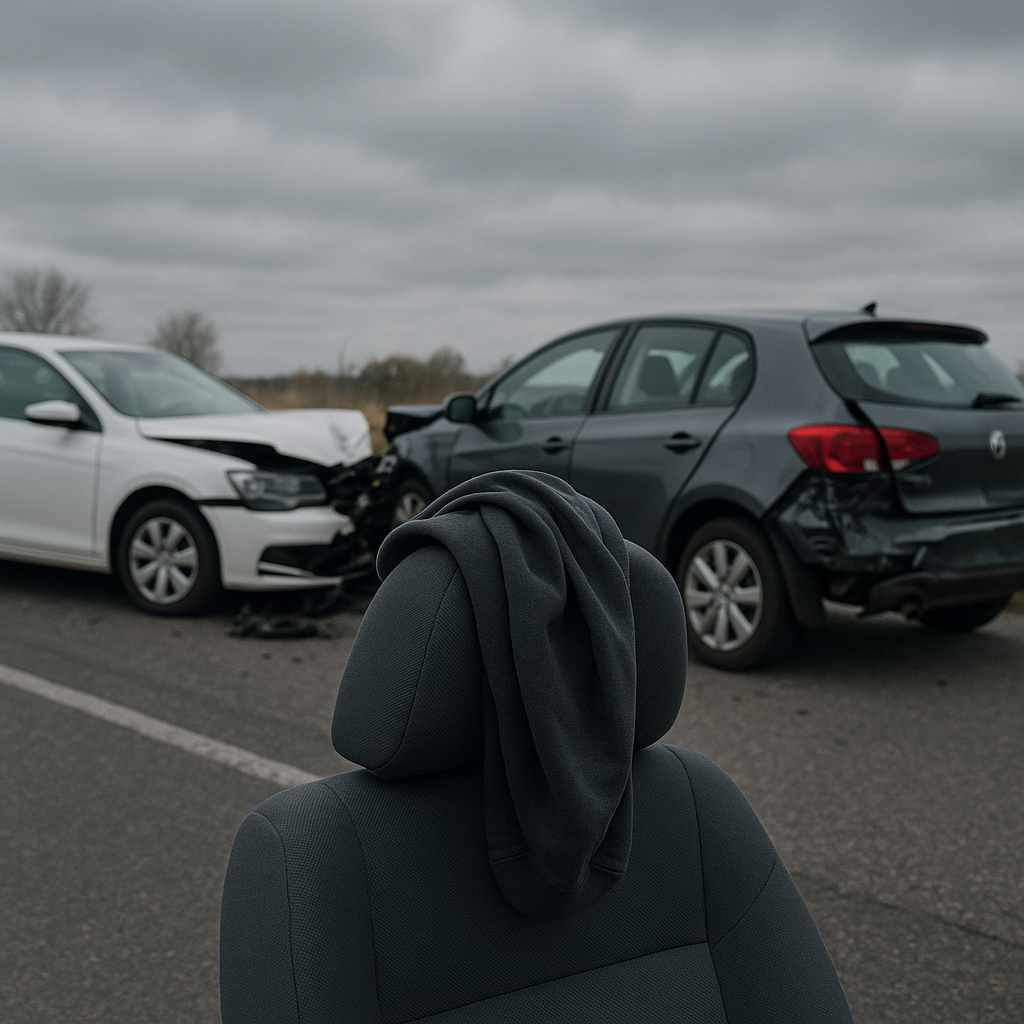
Why Trauma Causes Muscle Tension After Accidents
Overview of Shock and Trauma After Truck Accidents
Truck accidents are significant events that can lead to a range of physical and emotional responses. When the body encounters a sudden and overwhelming situation, like a collision involving a large vehicle, a natural stress reaction can occur. This reaction is commonly referred to as “shock.” Shock is not just a medical emergency—though it can be—but also describes the psychological and physiological state experienced after a distressing incident.
Trauma, in this context, refers to the psychological and physical effects that result from experiencing or witnessing an alarming event. Both shock and trauma are normal responses after such incidents, even for those who do not sustain visible injuries. One common but often overlooked response is muscle tension. For many individuals, muscle tension becomes a lasting sign of the stress and anxiety surrounding the accident.
Understanding the connection between trauma and muscle tension requires an exploration of how the body and mind work together when responding to events perceived as threatening.
Why the Body and Mind React This Way
Human beings are hardwired to respond quickly in the face of danger. This instinct, sometimes called the “fight, flight, or freeze” response, enabled our ancestors to survive threats in their environments. When a truck accident occurs, the body releases stress hormones such as adrenaline and cortisol. These substances prepare the body for immediate action by increasing heart rate, blood flow to muscles, and alertness.
Muscle tension is a key component of this response. By tensing muscles, the body prepares either to spring into action or to shield itself from harm. Even after the immediate danger passes, elevated levels of stress hormones can persist, keeping muscles tighter than normal. For some, this tension fades after a short period; for others, especially when trauma is involved, it can linger or become chronic.
The mind also plays a role in maintaining muscle tension. Emotional distress, anxiety, and memories of the incident can cause the brain to continually signal the body to remain on guard. Over time, this ongoing alertness can result in persistent physical symptoms, including tightness and discomfort in various muscle groups.
Common Reactions People Experience
After a traumatic event like a truck accident, people may notice a variety of physical and emotional reactions. Muscle tension is often reported in the following forms:
– Stiff neck and shoulders: Many individuals experience tightness in the upper body due to the instinct to protect vital areas.
– Clenched jaw: Anxiety and fear can cause jaw muscles to tighten, sometimes leading to headaches or dental discomfort.
– Back pain: The stress of bracing for impact or attempting to avoid harm can cause muscles along the spine to contract.
– General aches: Even muscles not directly involved in the trauma may feel sore or fatigued.
In addition to physical symptoms, emotional experiences may include restlessness, irritability, or difficulty relaxing. Some people also become more aware of their breathing and may feel short of breath due to tense chest muscles. These reactions are typical components of the body’s way of coping with a stressful event.
Sleep can also be affected. People may have trouble falling asleep or might wake up feeling tense. The muscles may not fully relax during rest, contributing to a cycle in which lack of restorative sleep amplifies feelings of fatigue and discomfort.
How These Reactions Can Change Over Time
Responses to trauma, including muscle tension, can evolve. For some individuals, symptoms resolve within days or weeks as the body recovers and stress hormones return to baseline levels. The mind gradually processes the event, allowing the nervous system to exit its heightened state.
In other cases, especially if the accident was particularly severe or if the individual has a history of trauma, muscle tension can become a longer-term issue. Persistent stress signals from the brain may keep muscles activated well after the danger has passed. This can lead to chronic pain or tension, sometimes mistaken for unrelated health conditions.
Emotional triggers—such as driving near the accident site, hearing loud noises, or even discussing the event—can temporarily increase muscle tension again, even long after the physical injuries have healed. This is not unusual, as the mind and body often work together to remember and react to potential threats by engaging familiar defense mechanisms.
Over time, with adaptation and support, the intensity of these reactions may decrease. The body may gradually let go of constant muscle contraction, and the mind may become less preoccupied with memories of the event. Each person’s experience varies, and the trajectory of recovery can depend on multiple factors, including personal resilience and the presence of supportive environments.
Closing Reassurance
Experiencing muscle tension after a traumatic event like a truck accident is a common and natural reaction. This response is closely linked to the body’s innate defense mechanisms and the mind’s need to process and remember challenging experiences. Over time, these reactions often shift and can diminish as recovery continues.
Everyone’s experience with trauma and muscle tension is unique. If these sensations persist or cause ongoing discomfort, it is a normal part of the aftermath, and further understanding of these responses can help individuals navigate their own path to recovery.