
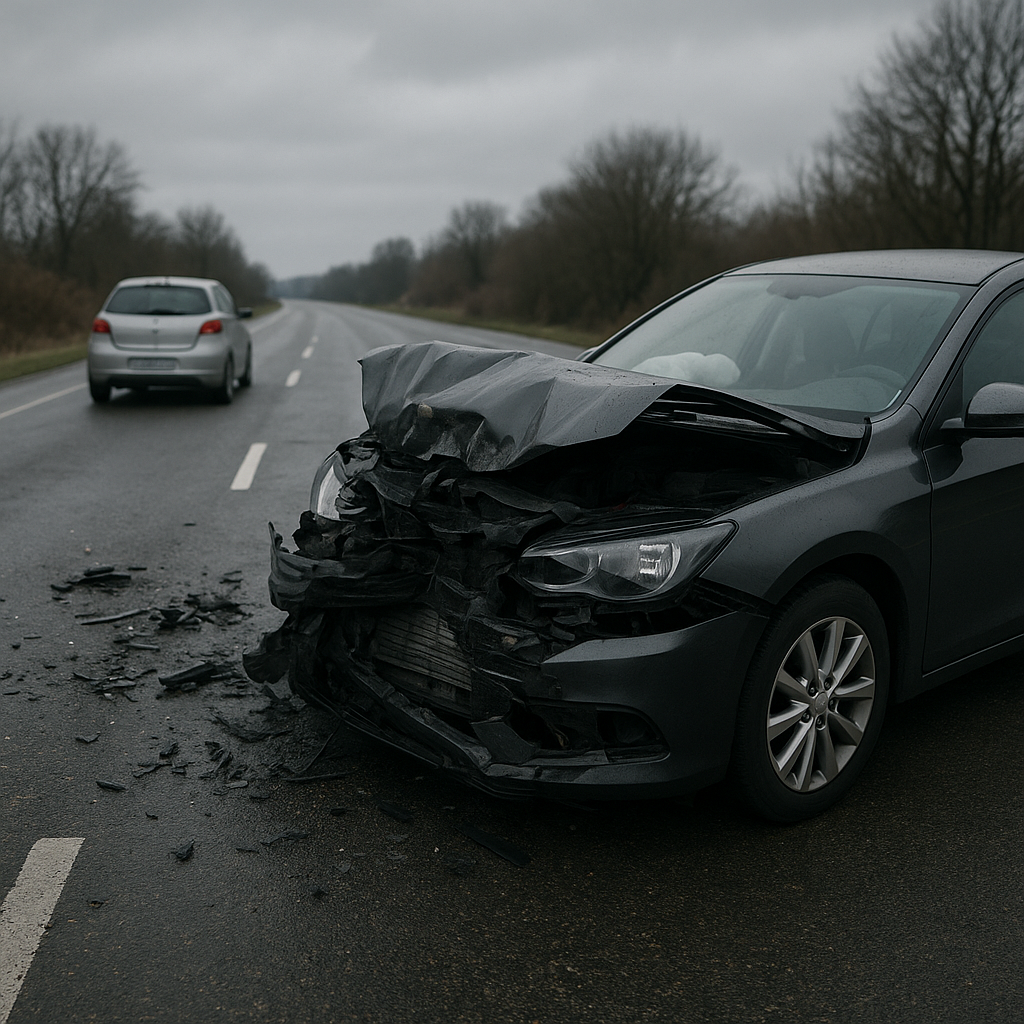
Why do I feel angry at myself
Why this question is common after severe accidents
Experiencing anger at oneself after a traumatic event, such as a severe accident, is a reaction shared by many. People who have gone through a dramatic or life-altering incident often find a complex mix of feelings surfacing in the aftermath. Among these, the question “Why do I feel angry at myself?” regularly comes up in conversations, therapy sessions, and online communities. The moments following a crash or similar incident are often marked by intense stress, physical discomfort, disorientation, and emotional overwhelm. During this period, self-directed anger—whether sudden or simmering—can feel both confusing and relentless. This reaction is especially common because severe accidents challenge one’s sense of control, safety, and well-being, sometimes sparking doubts about one’s actions, decisions, or even luck leading up to the event.
Accidents can disrupt core beliefs about predictability and personal competence. As survivors process what happened, some replay moments leading up to the crash, picking apart each decision or action. The mind searches for meaning and attempts to make sense of the chaos. Amid this, feelings of frustration, regret, guilt, or even perceived responsibility can emerge and morph into anger turned inward. This emotional response is not just frequent; it’s a nearly universal part of the journey after a traumatic experience.
Clear neutral explanation
Feeling angry at oneself after a crash typically stems from the mind’s natural responses to trauma, stress, and disruption. When confronted with a severe accident, people’s brains enter high-alert states, both to make sense of what happened and to regain a sense of control. One result is rumination: repetitive thinking about the event, examining every step, often focusing on what “could have been done differently.” This process, while natural, can ignite self-blame or anger, especially when combined with the overwhelming nature of the situation.
The experience of being “angry at myself after crash” is linked to a phenomenon called survivor’s guilt or self-blame, where individuals assign themselves more responsibility for the event than is objectively reasonable. The mind may default to self-criticism as a coping mechanism, seeking to reclaim agency or prevent similar future outcomes. Additionally, society and cultural narratives often encourage self-reliance and accountability, which sometimes intensifies internal criticism after something goes wrong.
On a neurological level, anger—whether directed at machines, others, or oneself—is a powerful emotion that the body uses as a way to cope with threat and distress. After an accident, anger might arise in waves: frustration at being hurt, disappointment in circumstances, confusion about what led up to the crash. When these feelings don’t have a clear external outlet, they sometimes turn inward. The question “Why do I feel angry at myself?” is thus a recognition of the mind’s complex emotional calculus in the wake of trauma and disruption.
Helpful emotional context
For many, the emotional landscape after a crash includes shock, sadness, confusion, and fear, all of which are taxing to process. Anger at oneself can serve as a temporary focus for these scattered feelings. By blaming oneself, a person may feel a sense of clarity or certainty during an otherwise chaotic time. This self-directed anger may not be rooted in actual mistakes or reasonable cause, but rather in an urge to assign meaning or restore balance after feeling helpless.
In some cases, feeling angry at oneself after a crash emerges from high personal standards or a deep value placed on responsibility and competence. People who usually feel in control may struggle most with accidents, as the experience conflicts with their sense of identity and capability. The anger may then reflect a mismatch between expectation and reality, rather than any factual failing. Understanding this context can reveal the emotional logic at play: self-anger can momentarily soothe uncertainty by laying blame somewhere understandable, even if it creates its own distress.
Common misconceptions
A frequent misconception is that feeling angry at oneself after a crash means someone is at fault or acted wrongly. In reality, most accidents are the product of numerous factors, many beyond any single individual’s control. Another misunderstanding is that anger must always be justified by one’s actions; however, emotions do not always follow logic. The mind’s search for reasons is often about regaining stability and safety, not finding objective truth.
Some believe that anger at oneself signals weakness or a failure of character. Yet, research on trauma and recovery shows self-blame and self-directed anger are almost universal after major incidents. These feelings are not a reflection of one’s integrity or worth but arise from the psychological need to make sense of something frightening or painful. Similarly, some people mistakenly assume that getting angry at oneself will prevent future accidents, but the relationship between self-directed anger and future safety is complex and not always constructive.
Closing paragraph
The question “Why do I feel angry at myself?” is widely shared by those who have survived severe accidents or other traumatic events. This anger often emerges as people grapple with confusion, a disrupted sense of control, and an urgent need to make sense of what happened. The emotional and psychological roots of this experience are intricate and highly personal, influenced by both individual temperament and broader human tendencies. Recognizing the commonality of these feelings, and the context in which they arise, can offer a calm and supportive lens for understanding why anger at oneself so often follows in the aftermath of a crash.