
Daily Coping When Recovery Plateaus
Overview of Daily Coping Challenges After Severe Truck Accidents
Recovering from a severe truck accident is commonly described as a journey filled with uncertainty, hope, and setbacks. Among the many phases of this journey, encountering a “recovery plateau” can be particularly challenging. A recovery plateau refers to a period when progress in healing—whether physical, cognitive, or emotional—appears to stall, sometimes for weeks or months at a time. For individuals coping with the aftermath of a severe truck accident, this phenomenon can be accompanied by a complex interplay of frustration, discouragement, and uncertainty about the future.
The plateau phase does not always align with earlier expectations or the visible progress seen right after the accident or during initial rehabilitation. Motivation wanes as everyday activities remain difficult and improvements seem minimal or nonexistent. For those experiencing this stagnation, daily coping strategies become essential in navigating both the physical and psychological hardships of this unique stage in recovery.
Common Daily Difficulties
During recovery plateaus, a variety of daily challenges often affect individuals who have survived severe truck accidents. These difficulties are wide-ranging and can include:
– Chronic Physical Discomfort or Pain: Persistent injuries or limited mobility create ongoing barriers to comfortable movement and independence.
– Fatigue and Reduced Stamina: Activities that were once routine—such as getting dressed, preparing meals, or walking short distances—can now lead to exhaustion much sooner.
– Frustration Over Slow Progress: The lack of noticeable improvements may give rise to feelings of stagnation and self-doubt.
– Mood Disturbances: Anxiety, irritability, and symptoms similar to depression frequently emerge, sometimes triggered by setbacks or the monotony of repetition in recovery exercises.
– Cognitive Challenges: Issues such as impaired memory, slower processing speed, or trouble concentrating can persist, adding mental strain to everyday tasks.
– Social Isolation: Limited mobility or changes in mood may lead to withdrawal from social interactions and support networks.
– Dependency on Others: Reliance on caregivers and assistive devices can undermine a sense of autonomy and self-worth.
– Sleep Disruptions: Pain, anxiety, and changes in daily routine often contribute to interrupted or poor-quality sleep.
– Reduced Motivation: A plateau can diminish the motivation to participate actively in therapies or daily self-care routines.
Each of these difficulties represents not only a personal hurdle but also a source of stress for both the individual in recovery and their support system.
Practical Coping Systems People Often Use
Across the spectrum of people coping with recovery plateaus, a variety of adaptable systems and habits are frequently observed. Instead of specific advice, this section describes some coping mechanisms commonly employed by individuals navigating this phase:
– Adjusting Expectations: Many people become more accepting of the gradual pace of recovery, recalibrating their goals to match current abilities rather than past benchmarks.
– Creating New Routines: Predictable daily schedules built around rest, nutrition, exercise, and hobbies provide structure and a sense of control.
– Prioritizing Energy: Focusing on the most important tasks and allowing less urgent responsibilities to wait helps conserve limited energy for essential activities.
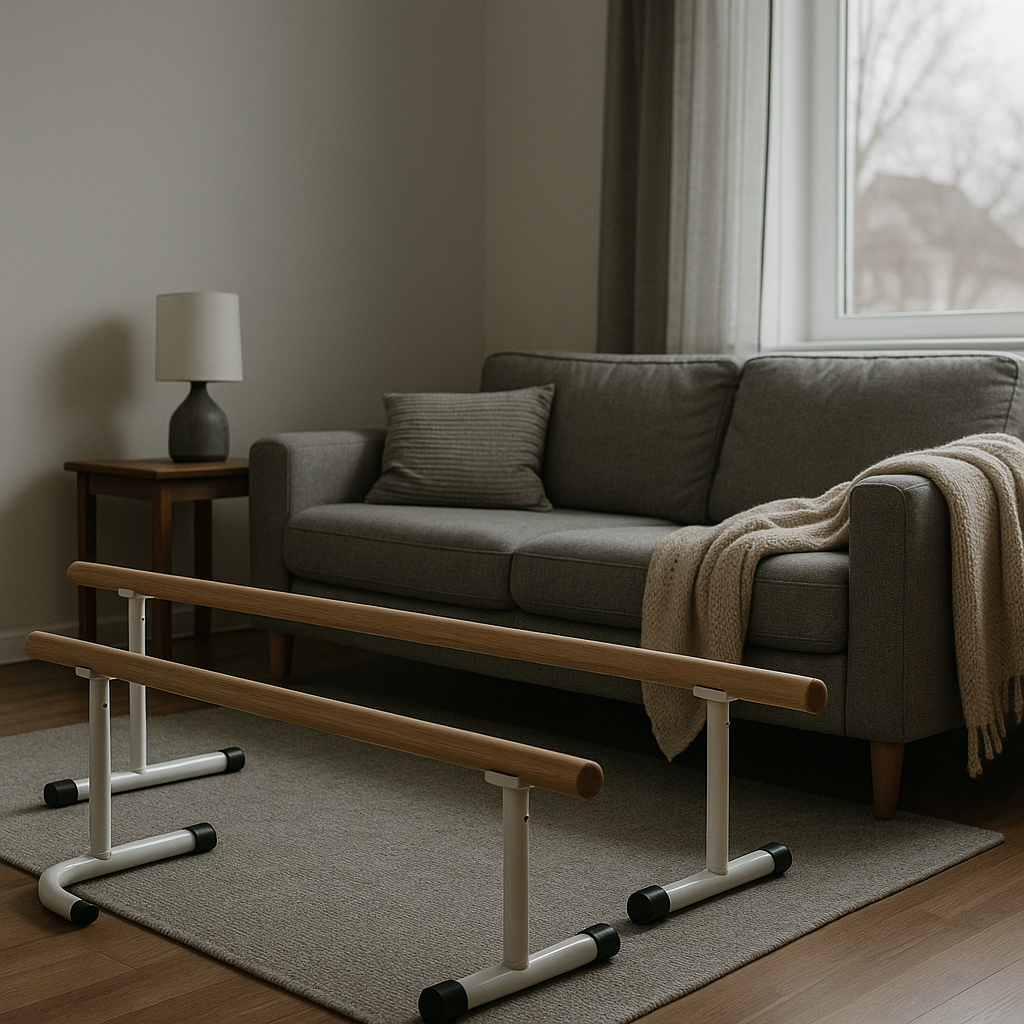
– Using Assistive Tools: Mobility aids, adaptive devices, and home modifications serve to increase independence and reduce physical strain.
– Breaking Tasks Into Manageable Steps: Tackling larger tasks in small segments can make them feel less overwhelming and more achievable within a day.
– Engaging Social Support: Maintaining regular communication with friends, family, or support groups can provide emotional sustenance and diminish feelings of isolation.
– Seeking Small Wins: Many people find meaning in celebrating minor achievements—like walking a few extra steps, recalling a new word, or preparing a simple meal.
– Practicing Self-Compassion: Recognizing setbacks as normal and treating oneself with patience often aids emotional well-being.
These coping systems highlight how individuals adapt not only to the physical realities of a plateau but also to the emotional and social complexities that accompany this period.
How Coping Improves Gradually Over Time
Though plateaus bring significant challenges, the way individuals cope with these periods tends to improve in subtle ways over weeks or months. This improvement is often not linear or immediately apparent but can be seen in retrospect. Over time, many people report becoming more resilient, even if physical or cognitive recovery has stalled.
Adaptation to daily routines tends to increase, and the emotional response to slow progress often becomes less intense. Familiarity with recurring challenges allows for more efficient navigation of daily life, while the confidence gained from mastering small accomplishments helps to strengthen self-efficacy. Connections with family, friends, or support communities may deepen, providing a broader network of encouragement and shared experience.
Additionally, periods of reflection during plateaus sometimes lead to a reevaluation of values and priorities. Individuals may discover new interests or rediscover old hobbies that were previously set aside. Acceptance—a concept distinct from resignation—also tends to play a larger role, bringing with it a sense of peace and a reaffirmed commitment to ongoing rehabilitation, however gradual it may be.
These gradual improvements in coping are not measured by medical metrics but are frequently described in the ways people adjust, adapt, and find meaning in their daily experiences. While the recovery plateau might seem like a halt in progress from a clinical perspective, it often marks the beginning of deeper, personal growth in resilience and adaptability.
Neutral Closing Paragraph
Coping with a recovery plateau after a severe truck accident is a multifaceted process shaped by ongoing challenges and gradual adaptation. Though daily difficulties can persist for extended periods, many individuals discover new sources of resilience and find satisfaction in incremental progress and self-acceptance. This phase, while often difficult, represents a critical period of adjustment—one where coping strategies continue to evolve alongside personal growth.