
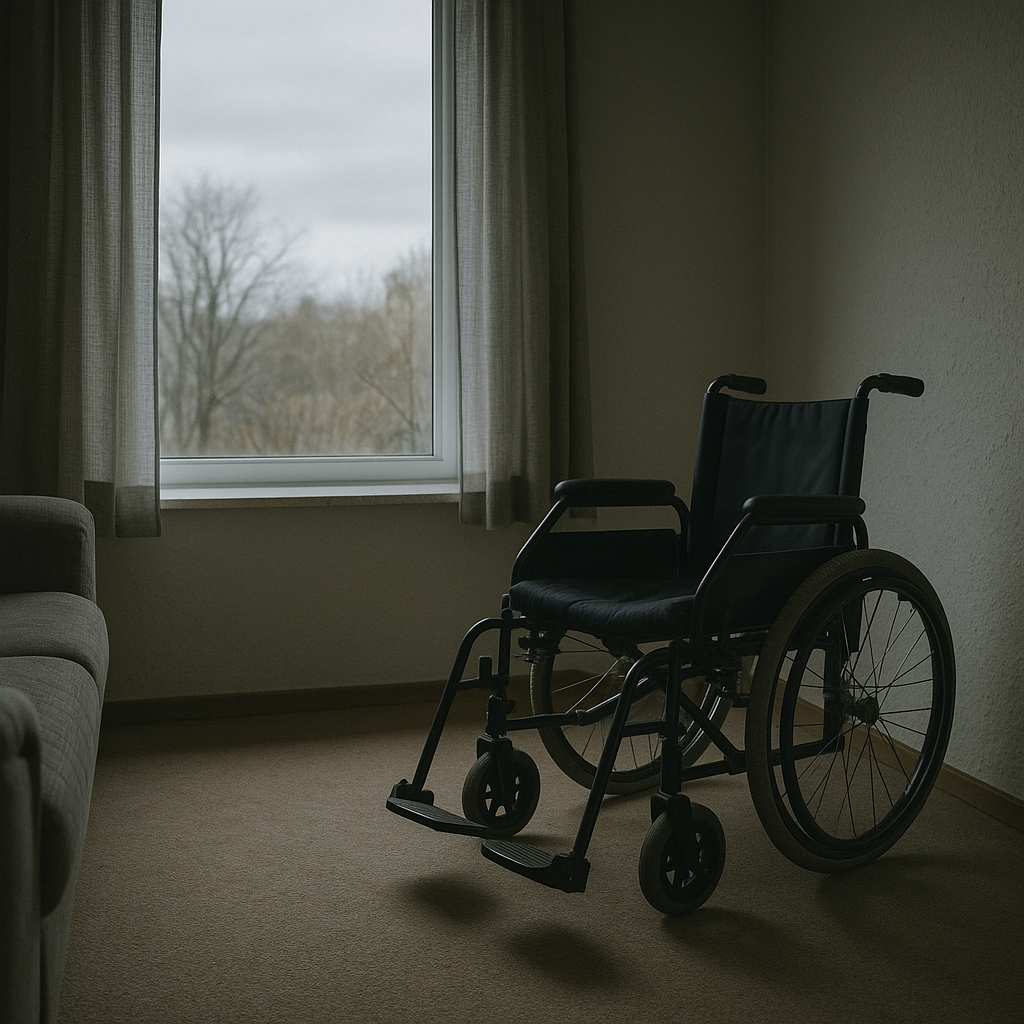
Coping with Isolation After Severe Injuries
The recovery journey after a severe injury—particularly those resulting from truck accidents—often introduces a difficult new experience: social isolation. While physical healing is usually the most visible aspect of recuperation, the psychological and emotional dimensions can be equally complex. Coping with isolation after a severe injury presents ongoing challenges as individuals adapt to changes in mobility, social interaction, and self-perception. Understanding the nuances of daily coping and the evolving process of adjustment can be crucial for anyone seeking insight into this reality.
Overview of Daily Coping Challenges After Severe Truck Accidents
A severe truck accident can precipitate dramatic life changes. In the weeks and months that follow, daily routines and social patterns are often disrupted. Injured individuals may find themselves confined to limited spaces—such as a hospital room or home—due to medical restrictions or decreased mobility. This new environment can lead to a profound sense of isolation, characterized by both physical separation from others and the emotional impact of feeling disconnected.
The psychology of coping with isolation and severe injury involves complex responses to pain, uncertainty, and dependence on others. Individuals may contend with fluctuating moods and mental health concerns, as well as logistical barriers such as accessibility or transportation. Each challenge—no matter how routine—may feel magnified during recovery.
Common Daily Difficulties
Those coping with isolation after severe injury often encounter a range of daily difficulties, such as:
– Limited social interaction: Physical restrictions often reduce opportunities for face-to-face contact. Visits from friends and family may be less frequent or subject to logistical constraints.
– Dependence on others: Routine activities like bathing, dressing, cooking, or moving between rooms may require assistance, complicating the sense of autonomy and privacy.
– Emotional fluctuations: Feelings of frustration, grief, anger, or anxiety can emerge as individuals adjust to changes in physical ability and social status.
– Sensory deprivation: Spending prolonged periods indoors or in medical settings can reduce exposure to varied environments, sights, sounds, and fresh air.
– Interrupted routines: Activities once performed independently—work, hobbies, errands—may be suspended, leading to boredom and restlessness.
– Physical discomfort: Ongoing pain, fatigue, and restrictions from medical equipment can interfere with sleep and daily comfort.
– Challenges with technology: Not everyone is familiar with digital means of communication, potentially making virtual social support inaccessible.
These daily difficulties often intertwine, compounding the overall sense of isolation and making routine life feel overwhelming.
Practical Coping Systems People Often Use
Across different recovery experiences, people develop unique systems and routines to address the complexities of coping isolation severe injury brings. While approaches differ according to individual circumstance, several common systems for managing day-to-day challenges have emerged:
– Scheduled social connections: Many rely on regular calls, video chats, or messaging to maintain ties with family and friends. Pre-arranged check-ins help preserve a sense of community and provide emotional support.
– Inclusion of remote activities: Book clubs, online games, or group classes via digital platforms can foster community engagement, offering intellectual stimulation and distraction from isolation.
– Daily structure routines: Maintaining a consistent schedule for sleeping, eating, personal hygiene, and self-care often helps create predictability and a sense of purpose.
– Personalizing living spaces: Displaying meaningful photos, decorations, or personal items can contribute to emotional well-being by making the environment feel familiar and comforting.
– Using adaptive tools: Mobility aids, voice-activated devices, or specialized medical equipment help bridge gaps in physical ability, supporting a greater sense of independence.
– Creative expression: Activities such as writing, painting, or music offer outlets for processing emotions and staying mentally occupied.
– Peer groups and support networks: Some people find community in groups—both virtual and in-person—made up of others experiencing similar injuries. These settings offer opportunities for shared understanding and encouragement.
While not every approach fits all situations, these systems represent common patterns that emerge among individuals adjusting to isolation after severe injury.
How Coping Improves Gradually Over Time
Recovery from severe injury is a dynamic process, and the initial emotional response to isolation often changes over time. Coping strategies tend to evolve as individuals gain familiarity with new routines, adapt to medical needs, and reconnect with sources of support.
Many people report that the early days of isolation—marked by shock, frustration, or fear—give way to acceptance and adaptation. Over time, developing a personalized routine, building resilience, and nurturing social connections can foster a growing sense of agency. Adjustments to the living environment or the introduction of adaptive technologies often make physical constraints less pronounced, offering more opportunities for self-reliance.
Emotional adjustment is also a gradual process. While certain days may feel overwhelming, recurring patterns of support, communication, and self-reflection can contribute to strengthened coping mechanisms. Some find that their experience offers new perspectives on life, deepening relationships or inspiring new interests.
Emerging from isolation after a severe injury is rarely a linear journey. Progress is often punctuated by setbacks—such as medical complications or emotional lows—but over time, many individuals notice their sense of isolation diminish as recovery progresses and new connections are formed.
Conclusion
Coping with isolation after a severe injury is a multilayered experience, shaped by physical limitations, emotional responses, and personal circumstances. The challenges of each day can be significant, yet over time, the development of coping systems and gradual adjustment to new realities can foster resilience. While the journey is unique for each individual, the process often reveals that social connection, routine, and creativity serve important roles in navigating isolation and rediscovering meaning in daily life.