
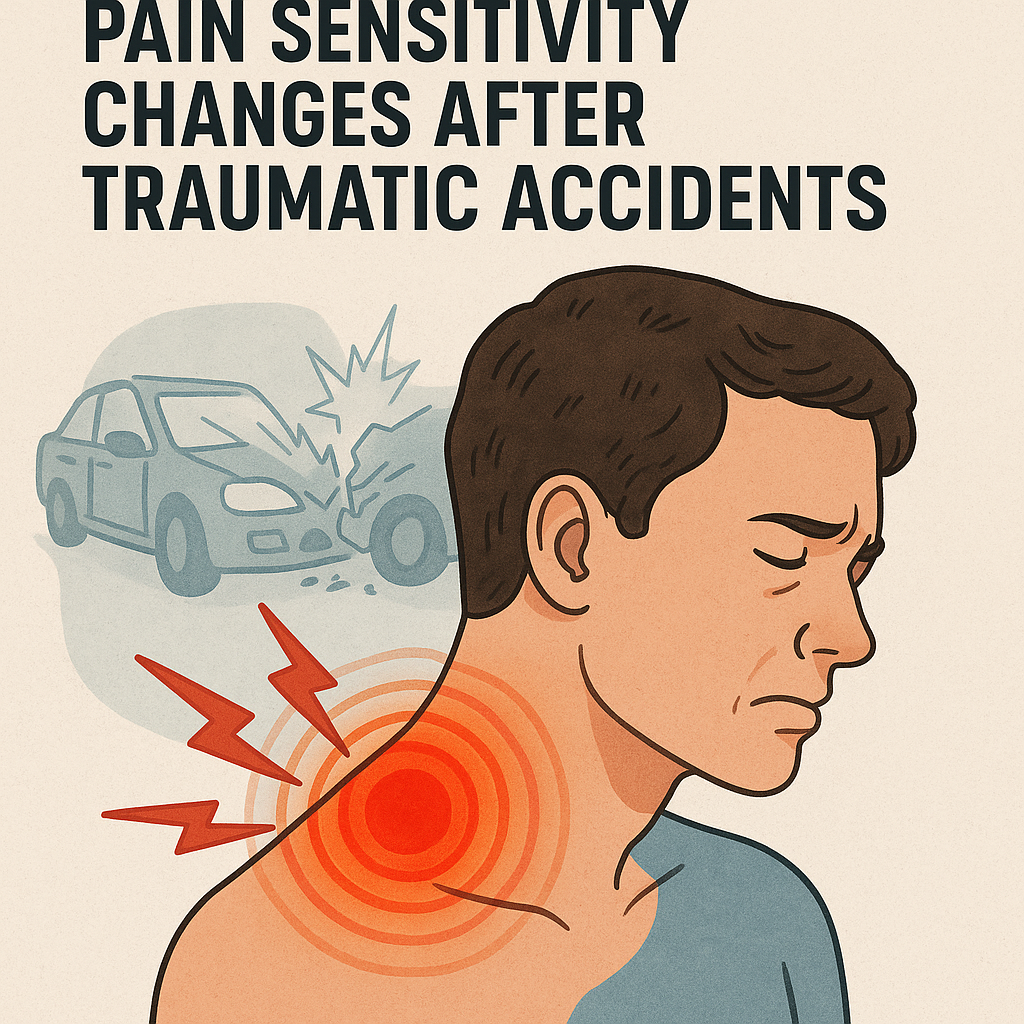
Pain Sensitivity Changes After Traumatic Accidents
Experiencing a traumatic accident, such as a vehicle crash, can alter many aspects of a person’s physical and emotional life. One frequently overlooked issue is the way pain sensitivity can change after such incidents. “Pain sensitivity changes trauma” is a topic of considerable interest within the medical research community, as well as among individuals living with the aftermath of traumatic events.
Understanding how and why pain sensitivity evolves after an accident can empower individuals to better recognize patterns in their experience. This article takes an educational approach to explore why symptoms can appear following truck accidents, what symptom patterns may emerge, the reasons pain sensitivity can change over time, and why monitoring symptoms is important.
—
Why Symptoms Can Appear After Truck Accidents
Truck accidents, with their high mass and impact forces, can place significant physical stress on the human body—even in seemingly minor collisions. The immediate aftermath of a collision often involves adrenaline and stress hormones flooding the body, which can temporarily mask pain and discomfort. Once this hormonal rush subsides, individuals may begin to notice new symptoms or changes in how their body feels.
Beyond direct physical trauma, the body’s response to intense events like truck accidents can involve intricate biological chain reactions. Nerves in affected areas may become hypersensitive, and the central nervous system can alter its processing of pain signals. This phenomenon, known as “sensitization,” is one reason why pain can develop or escalate after the initial injury event.
Crucially, pain sensitivity changes after trauma are not always directly related to visible injuries. Psychological stress, emotional distress, and the body’s prolonged inflammatory response can each play a role in how symptoms emerge. Sometimes, pain sensitivity may appear in areas not initially thought to be injured, adding to the complexity of post-accident experiences.
—
Common Symptom Patterns (No Medical Instructions)
While no two individuals will experience identical post-accident symptoms, researchers have noted several recurring patterns among those who have suffered traumatic incidents. Understanding these patterns can help demystify what some accident survivors report:
– Diffuse, Widespread Pain: Some people experience pain that is not limited to the site of a specific injury. Instead, it may feel generalized or migrate to other parts of the body.
– Increased Sensitivity to Touch or Pressure: Known as allodynia, this symptom means that even light touches that would not previously have caused discomfort may elicit pain.
– Delayed Onset Symptoms: It is not uncommon for new types of pain or discomfort to arise days or even weeks after the accident. This can feel puzzling, but is a known feature of nervous system responses.
– Heightened Startle Responses: Traumatic accidents can prime the nervous system for heightened arousal, making individuals more reactive to pain signals or even to non-painful triggers.
– Changes in Pain Thresholds: Some people find that their tolerance for pain lowers after an accident, making everyday sensations seem more intense.
These patterns reflect the complexity of pain sensitivity changes trauma can produce, and they highlight the importance of understanding pain as more than just a physical phenomenon; emotional and nervous system factors often contribute.
—
Why Symptoms Can Change Over Time
One of the most challenging aspects of post-accident recovery is the evolving nature of symptoms. After the initial shock of the accident wears off, many individuals see their symptoms fluctuate or transform. Several factors contribute to these changes:
– Biological Recovery Processes: As the body heals from injuries, tissues and nerves regenerate, which can alter pain signals. Sometimes, the process itself produces sensations distinct from the initial injury.
– Central Sensitization: This refers to a condition in which the nervous system remains in a persistent state of high reactivity, sustaining or even heightening pain sensitivity long after tissues have healed.
– Psychological Factors: Stress, anxiety, and emotional distress can amplify the perception of pain. Patterns of avoidance or hyper-awareness can further reinforce pain sensitivity.
– Lifestyle and Activity Levels: As individuals resume daily activities or return to work, they may stress recovering tissues in new ways, leading to changing symptom patterns.
– Environmental Triggers: Weather, sleep quality, and changes in daily routine can all influence how pain is perceived and experienced over time.
It is normal for the body’s response to trauma to shift as healing occurs and as an individual processes the emotional repercussions of an accident. This shifting landscape can be frustrating but is a natural part of the recovery journey.
—
When People Typically Start Monitoring Symptoms
Monitoring symptoms after a traumatic accident often begins after the initial shock has subsided, typically within days to weeks. Once urgent concerns are addressed, many individuals become more attuned to subtler changes in their bodies. Follow-up appointments, check-ins from insurers, or legal processes can also prompt closer observation of pain – prompting accident survivors to keep journals or notes about their symptoms.
In many cases, individuals may not initially connect new symptoms with their accident. As pain persists, evolves, or impacts daily life, this realization often spurs more intentional monitoring. Tracking symptoms over time can provide valuable insights into patterns, triggers, and changes that may be relevant for future consultations with specialists or support networks. It is a proactive way to understand the full scope of how trauma has influenced overall well-being.
—
Conclusion
Pain sensitivity changes after trauma are a complex and often unpredictable aspect of accident recovery. From the immediate aftermath of a truck accident to the evolving patterns that emerge over weeks and months, these changes reflect the interplay between the body, mind, and environment. While each individual’s experience is unique, understanding the general patterns and reasons behind pain sensitivity shifts can make the post-accident experience less bewildering.
Recognizing the dynamic nature of pain is an important step in making informed decisions about personal care, communication, and self-advocacy after a traumatic event. By educating oneself about the possible ways symptoms develop and change, accident survivors can become active participants in understanding and supporting their own recovery journeys.