
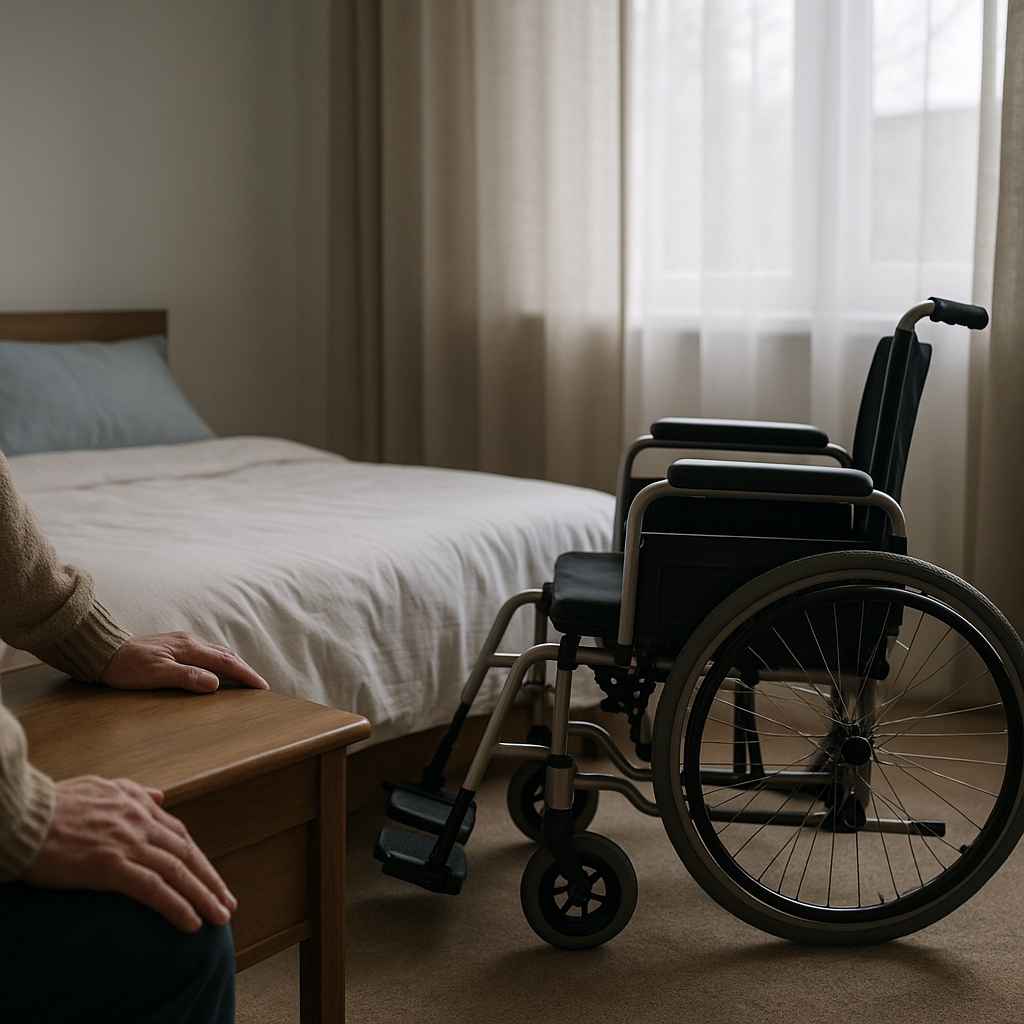
Supporting an Injured Loved One Through Rehabilitation
When someone you care about faces the aftermath of a serious injury—especially following a truck accident—the road to recovery can feel overwhelming for everyone involved. Injuries often mark the beginning of a long rehabilitation journey, requiring both practical and emotional resilience. As family members rally to support a loved one through rehab, it’s important to recognize the unique challenges and opportunities for growth that come with this experience. This article explores the ways in which an entire household is affected, the shifts in family roles, the common communication hurdles, and patterns of emotional adjustment over the long term—all while offering guidance with compassion.
Why Truck Accidents Affect Entire Households
Truck accidents differ from many other types of injuries because they tend to cause more severe physical harm, leading to extended recovery periods, significant medical interventions, and dramatic lifestyle changes. While it’s natural to focus attention on the individual who was hurt, these events also send ripples through every member of the household.
Family routines may be disrupted as priorities shift from work and leisure to hospital visits, medical appointments, and supporting recovery at home. Financial pressures can mount due to new expenses or lost income if a primary earner is sidelined. There’s also an emotional toll, as loved ones process their own fears, uncertainties, and feelings of helplessness while staying strong for the person who needs them.
The culture of the household frequently adapts to incorporate medical equipment, therapy schedules, and new dietary or accessibility requirements. The psychological impact on spouses, children, and extended family members can’t be underestimated—everyone is, in some way, on this healing journey together.
Common Family Role Changes
Recovery from a traumatic injury often necessitates an evolution of family dynamics. Parents may become caregivers, children may take on increased responsibilities, and spouses or partners may need to juggle multiple hats. These shifting roles can be rewarding as families rally together, but they are not without challenges.
For example, an adult who always managed household finances or daily logistics may be suddenly sidelined, requiring others to step into these unfamiliar roles. Teenagers, who normally focused on school or social activities, might contribute more at home—helping with chores, providing emotional support, or even assisting in personal care tasks.
Relationships can also shift as the injured loved one may rely more on others for everyday needs. Spouses in particular may find themselves balancing the intimacy of partnership with caregiving responsibilities, which can sometimes blur the lines between roles.
Recognizing these inevitable changes—and communicating openly about abilities, boundaries, and emotional needs—can help prevent burnout and maintain family unity. Celebrating small victories, sharing tasks, and seeking outside help when needed (from friends, community groups, or professionals) can also make the adjustment smoother.
Communication Challenges Families Face
Clear communication is essential, yet it often becomes more complicated when a loved one is going through rehabilitation. Frustration and misunderstandings may surface, especially when routines are disrupted, or when stress levels run high.
Many families grapple with knowing what to say—or not say. Some members may inadvertently minimize the injured person’s struggles by offering reassurance that feels dismissive. Others may avoid discussing difficult topics, fearing it will burden their loved one further. At the same time, the person in rehab may feel guilt or frustration at needing help, making them hesitant to express their needs or emotions.
Common communication pitfalls include:
– Withholding emotions out of fear of causing worry
– Assuming what the injured person wants, instead of asking directly
– Avoiding conversations about long-term recovery or changed abilities
– Overcompensating by being overly protective, which can undermine independence
Families can strengthen their communication by creating a safe space for discussions—encouraging everyone to share their feelings honestly, and listening without judgment. Setting aside regular times to check in, even briefly, can be especially helpful. Sometimes, written notes or journals may be easier ways to express feelings that are hard to say out loud. If challenges persist, seeking guidance from counselors or support groups can provide helpful tools.
Long-Term Emotional Adjustment Patterns
The emotional journey of supporting a loved one through lengthy rehabilitation is complex and evolves over time. Initial shock and anxiety may gradually give way to periods of hope and determination, then to occasional frustration or fatigue as the process stretches on.
Family members and the person in rehab may experience:
– Grief for “what was”: It is natural to mourn the loss of a previous way of life, especially if permanent changes are involved.
– Guilt: Caregivers may feel guilty when they become tired or impatient, while the injured person may feel guilty about being a source of added stress.
– Resilience: Over time, families often discover strengths they didn’t know they had, gaining a new appreciation for adaptability and teamwork.
– Renewed connection: Many households report drawing closer as they face challenges together, celebrating milestones and small victories in the process.
– Fatigue: Long-term care can take a toll; intentionally making space for respite and self-care is crucial for emotional well-being.
It’s important to recognize that these feelings are normal, and that emotional ups and downs are part of the rehabilitation process—not something to be ashamed of. Accessing support—whether from friends, faith communities, mental health professionals, or rehabilitation specialists—opens the door for all family members to find encouragement and understanding throughout the journey.
Conclusion
Supporting a loved one through rehabilitation after a truck accident is a demanding journey, but it can also offer families opportunities for connection, growth, and resilience. By recognizing the broader household impact, embracing new family roles, nurturing honest communication, and acknowledging the emotional patterns that arise, families can navigate rehabilitation with compassion and strength. Remember, while the road to recovery can be challenging, no one needs to walk it alone—support is available, and small acts of kindness and understanding truly make a difference.