
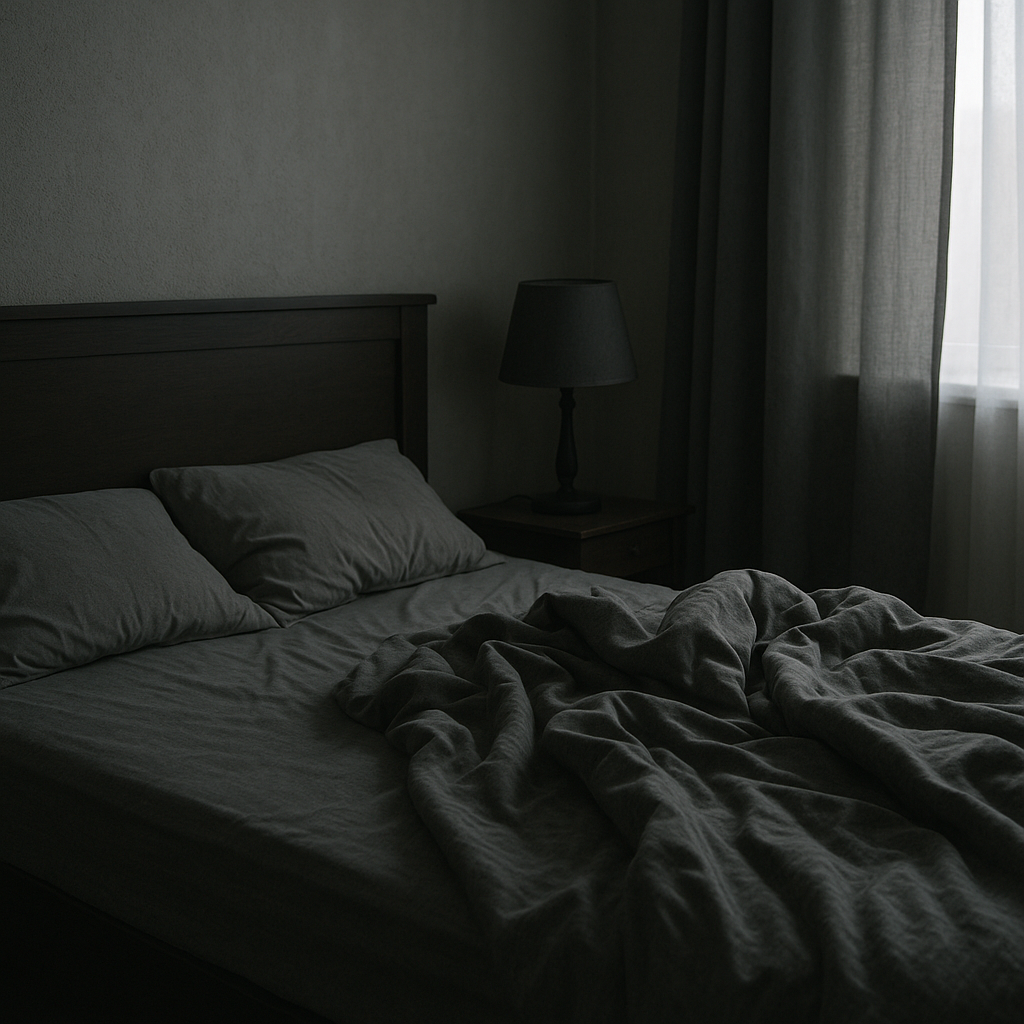
Why Sleep Problems Can Get Worse After the First Week
Sleep is a cornerstone of health and well-being, yet it can be one of the first things disrupted by stress or trauma. Often, people report that their sleep initially changes in the days after a difficult event, and surprisingly, those sleep problems can get worse after the first week. This experience can be both confusing and frustrating: just when the shock seems to be easing, sleep starts to feel even farther out of reach. Understanding why this happens, and how sleep patterns naturally evolve as recovery unfolds, can make the process less daunting.
Overview of Stress and Sleep Disruption After Trauma
Stressful or traumatic events—such as accidents, loss, sudden changes, or significant life challenges—profoundly affect the mind and body. One of the ways stress reveals itself is through disrupted sleep. In the hours and days just after a major stressor, the body shifts into a high-alert mode. Biologically, this is known as the “fight-or-flight” response. Hormones like cortisol and adrenaline surge, helping us address immediate threats or challenges.
In these first days, many people feel wired, exhausted, or a mix of both. For some, sleep comes quickly due to sheer exhaustion, while others may have noticeable difficulty falling or staying asleep. Because the body and mind are still “processing” the event, sleep is often shallow or filled with uneasy dreams. During this initial phase, individuals may attribute changes in sleep to temporary shock and expect their patterns to normalize soon.
However, as days pass and the situation unfolds, the issue of sleep can get worse rather than better. This is a common yet often misunderstood response, rooted in the way the brain and nervous system process stress over time.
Common Sleep-Related Issues People Report
After the initial week, people may experience several types of sleep problems that seem to intensify or newly appear, including:
– Difficulty falling asleep: Mental replay of events, heightened worry, or pre-sleep anxiety can make it hard to unwind.
– Frequent awakenings: Many people find themselves waking multiple times throughout the night, sometimes with racing thoughts or unsettling dreams.
– Early morning awakening: Waking much earlier than desired and being unable to return to sleep is particularly common.
– Nightmares or vivid dreams: Unprocessed emotions can show up in dream content, leading to disturbances that disrupt sleep further.
– Non-restorative sleep: Even after hours in bed, individuals may wake feeling unrefreshed and fatigued.
Not everyone will experience all these issues, but nearly all share a sense that their “normal” sleep has been disrupted. Importantly, it’s natural for sleep problems to change in character, becoming worse or more persistent as the initial shock begins to settle.
Stress Cycle Effects on Energy and Focus
Persistent stress keeps the mind and body in an elevated state of alertness. When stress outlasts the event itself—often because the brain continues evaluating, problem-solving, or worrying—this can interfere with both sleep quality and daytime functioning.
Many people notice they feel mentally foggy or physically drained, yet paradoxically, they still struggle to relax enough to sleep. This cycle can look like this:
1. Nighttime: Worry, rumination, or heightened vigilance may prevent restful sleep.
2. Daytime: Poor sleep leads to fatigue, low energy, or difficulties with concentration and memory.
3. Perpetuation: Daytime fatigue may increase anxiety about sleep, making nighttime rest even more elusive.
This cycle is especially likely to take hold after the first week, once adrenaline fades and the mind attempts to process the experience. Sleep problems may thus intensify or become more noticeable over time, particularly as people become more aware of their ongoing fatigue or “sleep debt.”
How Sleep Patterns Evolve During Recovery
Sleep is not simply “turned on and off” by a switch; rather, it’s regulated by complex interactions between the body and mind. In the early days after trauma or high stress, sleep can be disrupted in unpredictable ways as the system adapts. After the first week, several factors can make sleep problems worse, even if the original issue feels less acute.
1. Emotional Processing Grows More Intense
In the initial shock phase, emotions may be numb or suppressed. Over time, as the mind begins to process what happened, feelings such as sadness, anger, fear, or anxiety can surface. These emotions often become more vivid at night, when distractions are fewer and the mind turns inward—leading to more pronounced sleep disturbances.
2. Energy Reserves Decrease
The adrenaline that keeps people going in the days after a shock starts to wane, revealing deeper layers of tiredness and making any sleep disturbances more noticeable. This fatigue can, in turn, fuel feelings of helplessness or frustration, which may further impede sleep.
3. New Habits or Routines
Stress can lead people to change their daily routines—staying up later, taking daytime naps, or using screens late into the night. While these habits might offer temporary relief, they can inadvertently make sleep problems worse after the first week.
4. Increased Awareness of Sleep Deprivation
After several nights of disrupted rest, the impact of sleep loss accumulates. As individuals become increasingly aware of how tired or foggy they feel, their focus on sleep can grow into anxiety about not sleeping, which paradoxically makes restful sleep harder to achieve.
5. Sleep Architecture Adjusts
The brain naturally tries to adapt to reduced or fragmented sleep, shifting the balance between light sleep, deep sleep, and dream phases. Sometimes, this adjustment leads to lighter, more easily interrupted sleep patterns, increasing the sensation that “sleep problems are worse after the first week.”
Neutral Closing Paragraph
Sleep is a sensitive indicator of overall well-being, especially following significant stress or trauma. It’s a natural part of recovery for sleep patterns to fluctuate, and for disturbances to sometimes become more noticeable after the first week. By understanding the body’s response to stress and the evolving nature of sleep, individuals can better navigate the process with self-awareness and patience. While sleep may feel unpredictable during this time, it is often a sign of the mind and body working through important adjustments toward eventual recovery.