
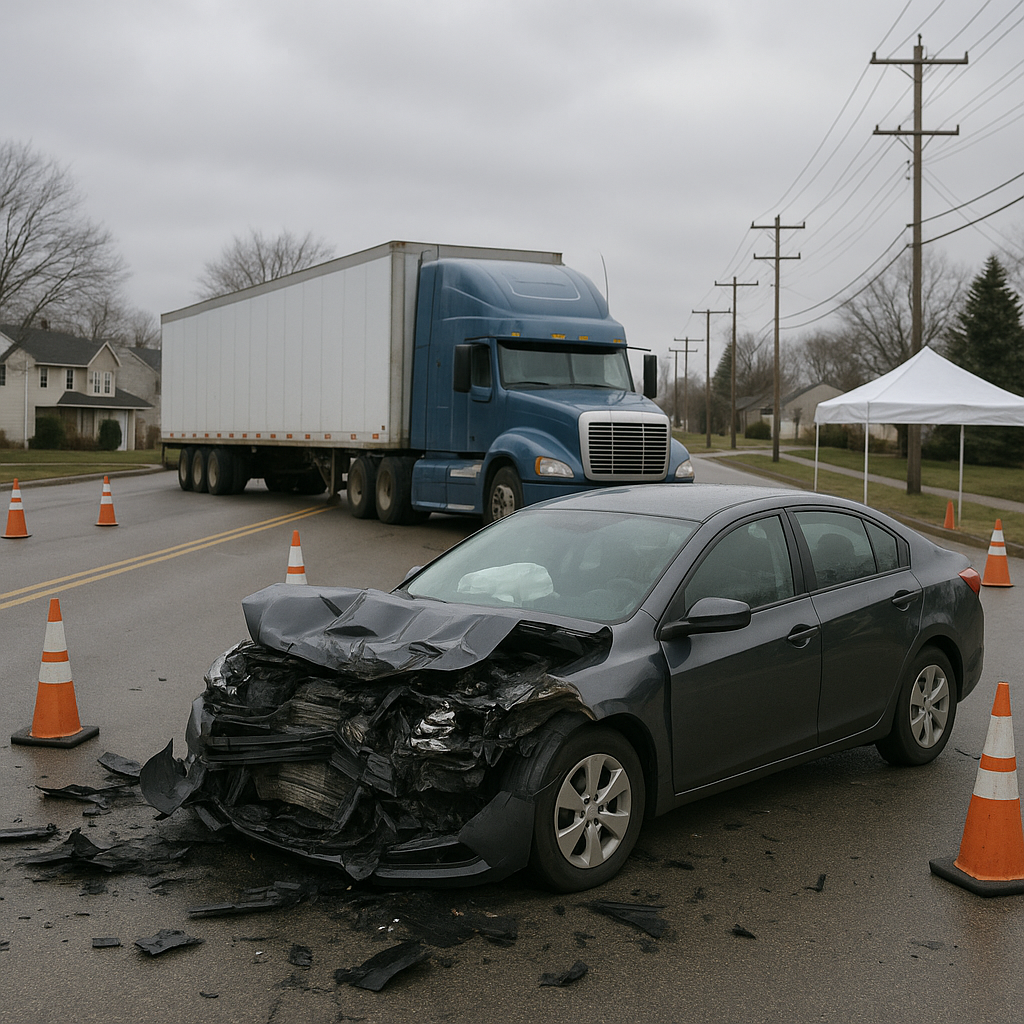
How Communities Respond After Major Accidents
Major accidents—whether they involve vehicles such as trucks, industrial incidents, or natural disasters—can send shockwaves throughout entire communities. The immediate aftermath of such events usually draws attention to the practical needs: medical care, first responders’ actions, and logistical management. Yet beneath these visible responses lies a subtler, but equally challenging, transformation within households and families directly affected by the incident. This article explores how community response after a major accident encompasses not only practical support, but also a profound adjustment to the everyday lives and roles within individual households.
—
Why Truck Accidents Affect Entire Households
When a major accident, such as a truck collision, occurs, the impact often extends well beyond the injured individual. Families are frequently called upon to adapt to sudden changes in health, employment, and household responsibilities. The ripple effect can reach extended families, friends, and even neighbors, illustrating the true scope of community response after a major accident.
For example, when a parent is injured in a truck accident, their absence from work or inability to perform household duties may force other family members to fill in these roles. Emotional distress can surface not only from concern for the injured, but also from the uncertainty about what the future holds. Daily routines are disrupted, and the household may need to adjust quickly to new financial realities, including temporary or permanent loss of income.
The significance of these adjustments cannot be overstated. Major accidents thrust ordinary families into extraordinary circumstances, testing their resilience, flexibility, and capacity to support each other. As such, the broader community often steps in to offer assistance—whether through meal trains, childcare, or emotional support groups. In these ways, the community response after a major accident not only addresses immediate logistical needs but also seeks to alleviate the burden on those most directly affected.
—
Common Family Role Changes
In the wake of a major accident, role shifts within families are both common and necessary. These shifts are rarely simple and often require considerable emotional and physical investment.
– Redistribution of Household Responsibilities: If the primary caregiver is injured, others may step in to handle day-to-day chores, child supervision, and transportation needs. Children sometimes take on greater responsibility, which may alter the family dynamic.
– Financial Role Changes: When the family breadwinner is unable to work, another member may need to seek employment, increase their work hours, or manage the family’s finances. This can be a significant source of stress, especially if it involves a steep learning curve or added logistical complications.
– Caregiving Duties: Providing care for an injured family member can require extensive time and energy. Spouses, children, or even friends might help with medication management, mobility assistance, or scheduling medical appointments. In some cases, this caregiving role becomes a long-term commitment, further reshaping family life.
– Emotional Support Roles: Family members often rely on each other for comfort in challenging times. Those who were not directly involved in the accident may become key emotional anchors, providing stability and encouragement through the recovery process.
While these changes are undertaken out of necessity and care, they can also bring about new pressures, fatigue, and occasionally feelings of resentment or guilt. Recognizing and validating these experiences is an important part of navigating the post-accident landscape, both for families and the communities supporting them.
—
Communication Challenges Families Face
After a major accident, clear and healthy communication becomes essential but also more complicated. Families are thrust into unfamiliar territory, negotiating complex emotions and significant practical changes.
Common communication challenges include:
– Emotional Overload: Family members experiencing stress, fear, or grief may have difficulty articulating their feelings or needs. This can lead to misunderstandings or unintended emotional distance.
– Diverging Perspectives: Each person processes trauma differently. For instance, while one family member may feel the need to talk openly, another might prefer privacy or solitude, making shared understanding harder to achieve.
– Avoiding Difficult Conversations: Sometimes, families avoid discussing topics such as financial strain, long-term care needs, or their own mental health, hoping to shield loved ones from additional worry.
– External Communication Pressures: Families might also face the challenge of updating extended family, friends, or employers, balancing the need for privacy with the desire for support.
Support from community organizations, counselors, or peer support groups can play a vital role in overcoming these communication barriers. Workshops, family therapy, or community forums offer structured spaces for dialogue and healing, which can be transformative in the long run.
—
Long-term Emotional Adjustment Patterns
While the initial aftermath of a truck accident or other major incident can be chaotic, adjustment over time often follows recognizably human patterns. The path toward emotional well-being is rarely linear, but communities and families commonly move through several stages together.
– Initial Shock and Mobilization: In the days and weeks following the accident, families are primarily focused on immediate needs and information gathering. Emotions like shock, fear, and disbelief are common.
– Short-term Coping Mechanisms: As time passes, individuals begin developing coping strategies. Some rely on existing support networks, while others may cultivate new practices, such as journaling, peer support groups, or mindfulness techniques.
– Long-term Adaptation: Gradually, families begin integrating new routines and identities. Chronic issues—such as disability, grief, or permanent lifestyle changes—may remain, but acceptance and adaptation become central themes.
– Growth and Resilience: Many households discover sources of strength they hadn’t previously realized. The community’s ongoing support is crucial for sustaining resilience, as is continued access to informational resources and social connection.
Understanding these patterns can help families and communities recognize that setbacks and emotional shifts are normal. Compassionate patience from both the household and their support networks is essential for fostering an environment where recovery and adjustment are possible.
—
Community Response: A Foundation for Healing
Major accidents challenge not just individuals and families, but the very fabric of a community. Recovery stretches beyond the hospital and the initial headlines, as families adapt to new realities and reshape the structure of daily life. The broader community response after a major accident—through practical assistance, emotional support, and compassionate understanding—remains a critical stabilizing force.
While the journey to adjustment can be long and filled with uncertainty, the collective efforts of family, friends, neighbors, and community organizations lay the groundwork for healing. By recognizing the repercussions at home and supporting each other through complex transitions, communities foster not just survival, but resilience and hope for the future.