
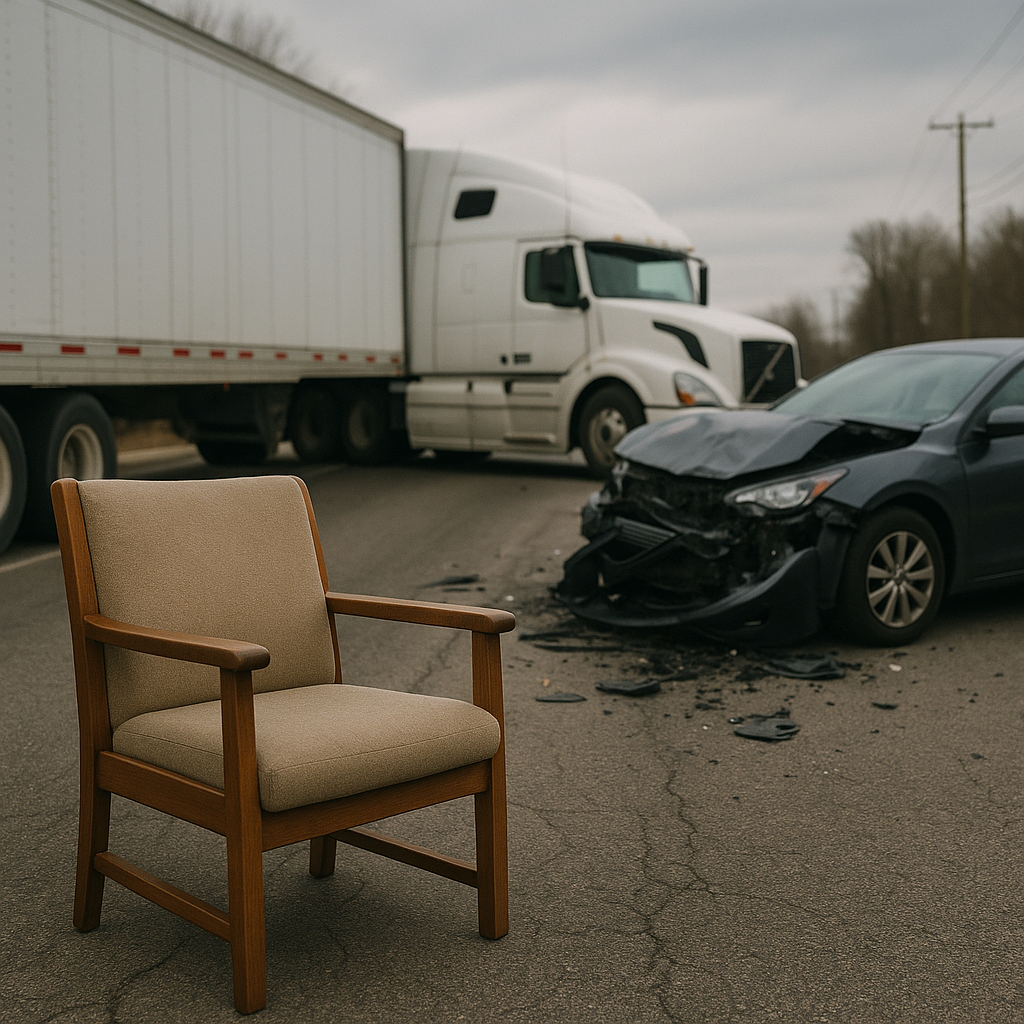
Caregiver Emotional Burden After Truck Accidents
Coping with the aftermath of a truck accident extends well beyond the individual who was physically injured. The impact often radiates through households, affecting family dynamics, emotional well-being, and day-to-day life. For those who become primary caregivers after a loved one’s truck accident, the experience can bring a profound emotional burden that is as real as any physical injury. Understanding the causes, progression, and coping strategies for this “caregiver emotional burden after truck accidents” can help families move through the process with greater support and awareness.
Why Truck Accidents Affect Entire Households
Truck accidents, due to their severity and magnitude, frequently result in significant injuries that require ongoing medical treatment or adjustments in daily living. When an accident occurs, its consequences quickly become a family issue rather than an individual one.
A loved one’s sudden physical limitations can lead to reorganization of routines, priorities, and responsibilities. Family members—spouses, children, or parents—may need to step into the role of caregiver, sometimes with little warning and no prior experience. The physical care itself can be demanding, but the emotional toll often comes as a surprising side effect. Feelings of uncertainty, anxiety, and sadness emerge as families witness the struggle of the injured relative and cope with disrupted patterns of life.
There is also the challenge of unforeseen expenses, navigating complex medical appointments, and dealing with insurance or bureaucratic processes. These factors can build stress for everyone in the household, but particularly for those most closely involved in caregiving and emotional support.
Common Family Role Changes
The aftermath of a truck accident usually prompts significant role adjustments within families. Understanding these shifts helps clarify how the “caregiver emotional burden truck accident” evolves:
Spousal Role Changes: A spouse may shift from shared partnership to a more caregiver-focused relationship. Practical aspects such as performing household chores, managing finances, or coordinating medical care may become the responsibility of one partner, leading to increased responsibility and, at times, a sense of isolation.
Parent-Child Dynamics: If a parent is injured, children may be called on to help at home much sooner than expected, assuming tasks like helping with siblings or household chores. Conversely, children who are injured may become dependent for basic needs, requiring parents to adopt more intensive caregiving roles.
Young Adult and Older Adult Caregivers: Sometimes, adult children become caregivers for an aging parent after a serious accident. This role reversal can bring unique emotional strains, such as grappling with seeing a once-independent parent lose mobility, confidence, or aspects of their previous identity.
Extended Family Involvement: Grandparents, aunts, uncles, or cousins may step in, redistributing caregiving responsibilities and sometimes facing their own emotional adjustments.
Such role changes can bring about identity shifts for caregivers, a phenomenon that can be both rewarding and challenging. While some families find increased closeness or satisfaction in helping, others may struggle with resentment, fatigue, or grief over the loss of previous routines or roles.
Communication Challenges Families Face
Effective communication is crucial following a truck accident, but families often find this area the most challenging. The emotional impact and logistical stress can create barriers that complicate honest conversations.
Emotional Withholding: Caregivers sometimes suppress their own feelings to “protect” the injured person or other family members. They may avoid discussing their stress, frustration, or worries, fearing it will add to others’ burdens. Unfortunately, this can build emotional distance and internal strain.
Conflict Over Responsibilities: The reshuffling of roles can trigger misunderstandings or disagreements about who should do what. When expectations are not clearly communicated, resentment can grow.
Difficulty Discussing Fears: Talking about long-term uncertainties—such as recovery prognosis, financial worries, or changes to family plans—can feel overwhelming. Avoiding these conversations can delay collective problem solving and leave individuals feeling alone in their concerns.
To cope more effectively, families can benefit from open dialogue, seeking support from counselors, social workers, or support groups who understand the unique “caregiver emotional burden truck accident” context.
Long-term Emotional Adjustment Patterns
Emotional adjustment is not a linear process. For caregivers after a truck accident, the journey usually involves several distinct stages and recurring themes.
Initial Shock and Adaptation: In the immediate aftermath, caregivers are often focused on essentials—coordinating care, communicating updates, and managing logistics. Adrenaline and the desire to “hold everything together” can temporarily mask emotional stress.
Emergence of Emotional Strain: As the weeks and months progress and routines stabilize, underlying emotional fatigue may become apparent. Feelings of sadness, frustration, or helplessness may increase. Caregivers might experience sleep issues, changes in appetite, or difficulty concentrating.
Long-term Acceptance and Coping: Over time, some caregivers find acceptance, develop new routines, and discover sources of support—whether through extended family, friends, or outside resources. Others may continue to struggle with ongoing anxiety, grief, or even chronic stress, particularly if the loved one’s recovery is uncertain or limited.
Moments of Growth or Setback: It’s common for caregivers to experience fluctuating emotions, especially around milestones (like medical updates) or anniversaries of the accident. Support systems and self-care strategies play a crucial role in fostering resilience during these ups and downs.
Supporting one’s own well-being as a caregiver—through rest, hobbies, social connection, and sometimes professional counseling—can help alleviate the emotional burden. Peer support from others who have gone through similar experiences can also be invaluable.
Conclusion
Caring for a loved one after a truck accident brings challenges that require compassion, patience, and adaptability. The ripple effects touch every member of a household, but the primary caregiver often experiences the deepest emotional impact. By acknowledging the strains, discussing them openly, and seeking support, families can navigate this difficult period while preserving relationships and emotional health. While each family’s journey is unique, understanding common challenges and adjustment patterns can provide reassurance and guidance along the way.