
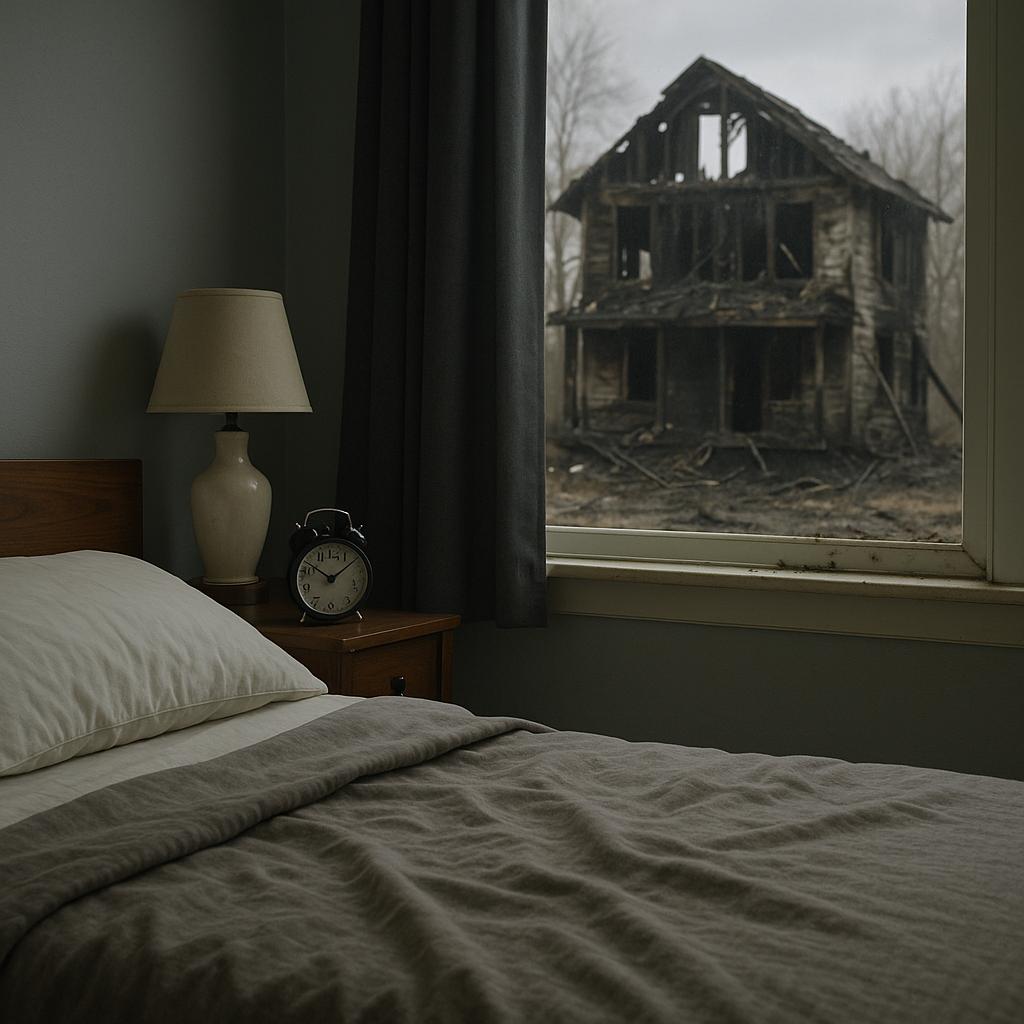
Sleep Hygiene Concepts After Trauma
Sleep is essential for physical and mental well-being. However, after experiencing trauma, getting restful, restorative sleep often becomes a challenge. This article explores key sleep hygiene concepts after trauma, describes how sleep is affected in these circumstances, and offers an educational perspective on how sleep patterns may change during recovery. By understanding the relationship between trauma, stress, and sleep, individuals and their support networks can better navigate the path to improved rest and, eventually, overall well-being.
Overview of Stress and Sleep Disruption After Trauma
Trauma can come in many forms, from acute incidents like accidents or natural disasters to ongoing situations such as relationship violence or prolonged illness. One common thread across traumatic experiences is their ability to disrupt the body’s normal stress response, influencing both physiology and psychology.
When dealing with trauma, the human body often enters a heightened state of alert. This state is driven by the “fight, flight, or freeze” response, during which stress hormones such as cortisol and adrenaline surge. While these responses are adaptive in crisis, prolonged activation can interfere with the body’s natural rhythms, especially sleep. The connection between sleep hygiene concepts trauma is grounded in understanding how stress cycles impact rest.
A disrupted sleep-wake cycle, reduced deep sleep, and frequent nighttime awakenings are common. Brains that have faced trauma can become wary of relaxation, associating it with vulnerability. This hypervigilance can contribute to a feedback loop where poor sleep worsens stress, which in turn prolongs shoddy sleep.
Common Sleep-Related Issues People Report
After trauma, individuals often notice specific changes in their sleep patterns. Some of the most common issues include:
– Insomnia: Difficulty falling asleep or staying asleep is perhaps the most frequent symptom. Restlessness and an inability to calm the mind can make drifting off elusive.
– Nightmares and vivid dreams: Traumatic memories may surface as distressing dreams or nightmares, leading to anxiety about sleep itself.
– Fragmented sleep: Individuals may wake up repeatedly throughout the night, sometimes with difficulty recalling or articulating why.
– Early morning awakening: Waking up hours before the intended time and being unable to return to sleep is also common.
– Daytime fatigue and sluggishness: Restless nights often lead to feelings of exhaustion, low mood, and irritability during the day.
– Sleep avoidance: Some may avoid going to bed or fall into irregular patterns in an effort to delay or escape the stress associated with sleep.
Each individual may experience these issues differently, and the intensity of symptoms can vary over time.
Stress Cycle Effects on Energy and Focus
Poor sleep after trauma does more than just reduce physical energy. The effects seep into focus, concentration, and memory. The ongoing stress response keeps the body and mind primed for danger, making it difficult to relax during the day and to transition into restorative nighttime routines.
As a result, people often experience:
– Reduced concentration: Tasks that once felt routine can become mentally taxing.
– Lower emotional regulation: Fatigue and irritability can make it harder to manage emotional reactions.
– Decreased motivation: The combination of poor sleep and continuing stress can reduce interest in activities that usually bring joy and fulfillment.
– Increased stress sensitivity: Minor challenges can feel more overwhelming, reinforcing the stress-sleep disruption feedback loop.
Understanding how disrupted sleep impacts energy and focus highlights the importance of re-establishing healthier routines as part of trauma recovery.
How Sleep Patterns Evolve During Recovery
Recovery from trauma is a highly individual process. As emotional wounds begin to heal, sleep hygiene concepts become increasingly relevant in fostering improvement. Sleep patterns rarely return to “normal” overnight, but with self-awareness and supportive habits, changes often occur in the following ways:
– Gradual reduction in hyperarousal: As the body’s perceived threat level diminishes, the fight-or-flight system becomes less dominant, making relaxation and sleep more accessible.
– Improved sleep continuity: Over time, individuals may wake up less frequently and experience longer stretches of uninterrupted sleep.
– Fewer distressing dreams: Nightmares may decrease in intensity and frequency as traumatic memories are processed and integrated.
– Greater comfort with bedtime routines: Consistent habits—such as winding down before bed, minimizing exposure to screens, and creating a calming environment—can recondition the brain to associate nighttime with safety, rather than vigilance.
– Renewed sense of control: Taking small, intentional steps toward better sleep can foster a sense of empowerment, even in the midst of ongoing recovery.
Patience is key. Sleep may ebb and flow, with improvements sometimes followed by setbacks. What’s important is paying attention to individual progress, honoring personal experiences, and understanding that fluctuations are a natural part of healing.
Neutral Closing Paragraph
Sleep hygiene concepts play a significant role in the journey toward improved rest after trauma. Understanding how stress affects sleep, recognizing common challenges, and observing the gradual evolution of sleep patterns can help individuals and loved ones set realistic expectations for recovery. While returning to restful sleep takes time and patience, awareness and self-compassion are powerful tools along the way. By fostering a supportive environment—both physically and emotionally—each person can create a foundation for healthier sleep and a renewed sense of well-being after trauma.