
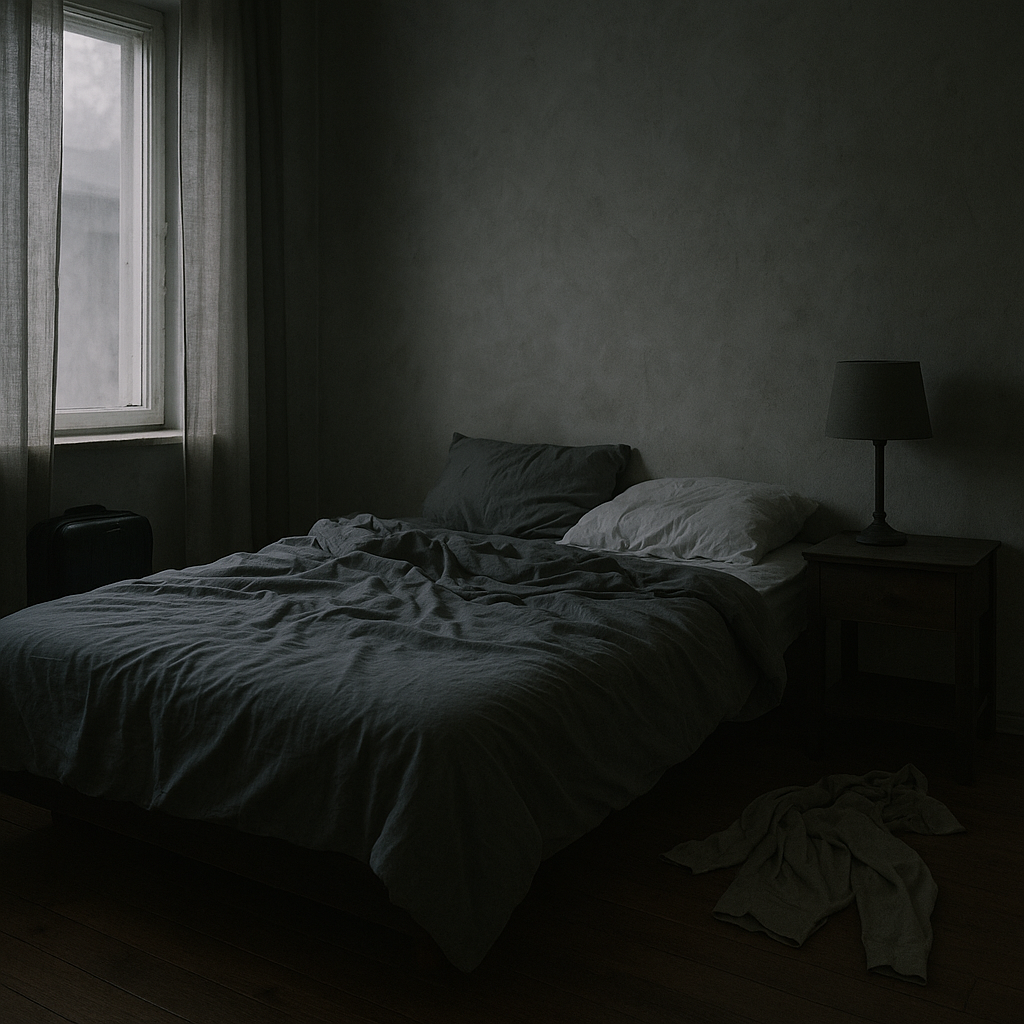
Why Trauma Makes Rest Feel Unsafe
Most of us have experienced restless nights before a big presentation or after a stressful event. But for many people recovering from trauma, the challenge of getting restful sleep going far beyond a few sleepless nights — it’s a pattern that can persist for months or even years. Many wonder: Why does it feel so hard to relax, fall asleep, or feel safe while resting after trauma?
Let’s explore the complex relationship between trauma, stress, and why, for some, rest itself can feel unsafe.
Overview of Stress and Sleep Disruption After Trauma
After a traumatic experience—such as violence, an accident, loss, or witnessing a frightening event—the body and mind may remain on high alert for danger, even long after the threat has disappeared. This lasting “stress response” is part of how the brain tries to protect us.
The brain’s alarm system — mainly the amygdala — becomes extra sensitive to possible threats. Chemical messengers like adrenaline and cortisol surge, making the body ready to react quickly. This hypervigilance once helped our ancestors survive actual dangers, but modern-day trauma survivors may find that their body keeps sounding the alarm even when resting in bed.
Because sleep requires us to become physically vulnerable and relaxed, it can feel incompatible with a system still searching for safety. When “letting your guard down” previously resulted in harm or fear, the idea of rest itself can seem risky.
Common Sleep-Related Issues People Report
The effects of trauma on rest are as varied as individual experiences, but some common challenges often arise:
Hyperarousal
People may struggle to ‘switch off’ at night. Rapid heartbeat, anxious thoughts, or being easily startled by noises are common complaints. Even when feeling exhausted, the mind and body may not allow full relaxation.
Nightmares and Night Terrors
Disturbing dreams can replay aspects of the trauma or bring up feelings of fear and helplessness. After waking, regaining a sense of safety can be difficult, leaving some individuals hesitant to fall asleep again.
Insomnia
Difficulty falling or staying asleep is widespread. Fear of nightmares, unease in the dark, or worry that something could go wrong while asleep, can keep people awake for hours.
Avoidance of Bedtime
For some, the bedroom itself becomes associated with anxiety or distress. This might result in intentionally staying up late, sleeping with the lights or TV on, or avoiding sleep altogether.
These symptoms aren’t signs of weakness or failure to “move on”—they’re the brain’s way of trying to ensure survival. The challenge is, long after the trauma has passed, the mind continues to interpret rest as a potential threat.
Stress Cycle Effects on Energy and Focus
When trauma makes rest feel unsafe, the effects reach far beyond the nighttime hours. The body’s ongoing stress response keeps nervous system activity high, reducing the chances for true relaxation or restorative deep sleep. This can create a feedback loop:
– Reduced Energy: Without enough quality sleep, fatigue builds. Everyday tasks feel more draining, and motivation drops.
– Decreased Focus: Chronic tiredness impairs concentration, memory, and decision-making skills.
– Emotional Reactivity: Lack of restorative rest can make emotions feel harder to control, increasing feelings of irritability, overwhelm, or sadness.
– Physical Symptoms: Muscle tightness, headaches, or stomach issues may develop as stress manifests in the body.
These lingering effects sometimes reinforce the cycle of sleep disruption—making the idea of rest feel even less attainable or appealing.
How Sleep Patterns Evolve During Recovery
The good news is, while trauma can deeply impact rest, healing and progress are possible, and sleep patterns can evolve over time.
As people move through recovery, whether independently or with support, changes often emerge gradually. Rebuilding a sense of safety—both mentally and physically—is key. Feeling safe allows the body’s alarm system to calm down, making it easier to fall and stay asleep.
Some individuals find that gentle routines help signal safety, such as a consistent bedtime, relaxing rituals, or creating a cozy, comforting sleep environment. Others discover that ultimately, it’s not about controlling sleep directly, but about addressing the underlying sense of threat in the body and mind.
For many trauma survivors, progress isn’t linear. Some nights will be easier than others, and setbacks are part of the process. What’s important is recognizing that the urge to stay alert—when trauma makes rest feel unsafe—is rooted in a survival mechanism, not personal failure.
Over time, and with self-compassion, it’s possible to re-teach the body that rest can be a time for recovery, not something to be feared.
Conclusion
Rest and sleep seem like basic needs, but for those living with the effects of trauma, letting go of wakefulness can feel risky. The body’s alarm system—primed by past experiences—may resist relaxation, sparking a cycle of disrupted rest and day-to-day fatigue. Understanding that these experiences are common, adaptive responses, not a lack of willpower, is a crucial step toward healing.
While the journey to restful sleep after trauma may not be quick, it is possible for the mind and body to relearn safety and peace once again. With time, empathy, and gentle self-care, rest can become not just possible, but truly restorative.