
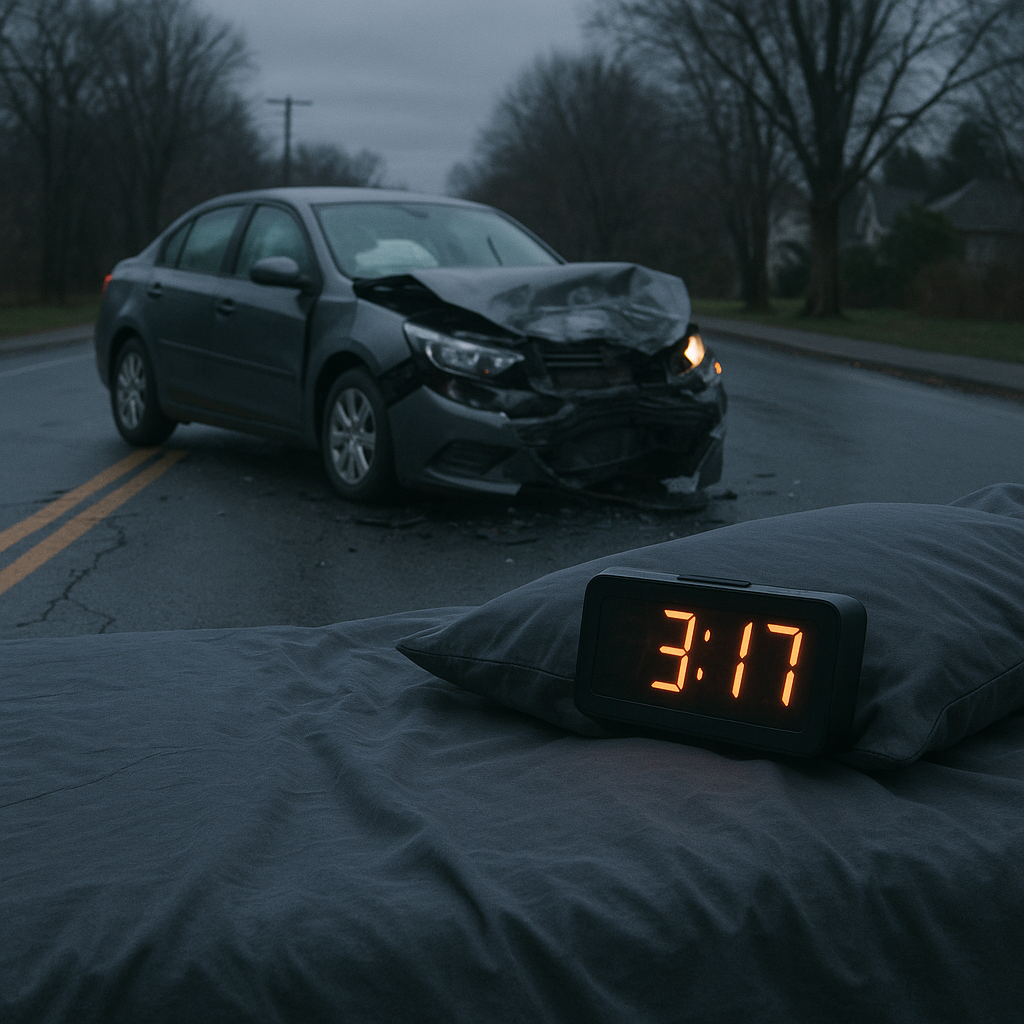
Sleep Disruption and Irritability After Accidents
Accidents, whether minor fender-benders or more severe incidents, can have a profound impact that lingers long after the initial event. Many individuals find themselves grappling with sleep disruption and irritability in the aftermath, which can hamper recovery and affect daily life. Understanding these post-accident challenges is crucial to navigating the path toward well-being.
Overview of Stress and Sleep Disruption After Trauma
After an accident, the body and mind react naturally to the shock and stress experienced. Even seemingly minor incidents can activate a cascade of biological stress responses. It is not uncommon for someone who’s experienced a traumatic event to replay the incident in their thoughts, feel on edge, or notice an increased sensitivity to normal stimuli.
Sleep, one of the body’s essential restorative processes, is often among the first things to be disrupted following trauma. Disrupted sleep, in turn, can fuel further distress—creating a cycle that may seem hard to break.
The mind might remain hyper-alert, ready to respond to potential threats even in the safety of home. This heightened state can make it difficult to unwind at night, fall asleep easily, or stay asleep through the night. Even after physical injuries heal, the psychological aftershocks can linger, with sleep disruption and irritability becoming persistent companions.
Common Sleep-Related Issues People Report
In the weeks and months following an accident, people often describe a range of sleep disturbances connected to their stress and anxiety. Some of these sleep-related issues include:
Difficulty Falling Asleep
The mind’s tendency to replay the accident can lead to rumination, making it challenging to relax enough to drift off. Worries about what happened, or fears about recurrence, may surface most strongly at bedtime.
Fragmented or Restless Sleep
Some individuals may find that they wake frequently through the night, even if they manage to fall asleep without trouble. These interruptions can be caused by nightmares, vivid dreams about the event, or general restlessness.
Early Morning Awakening
Waking earlier than intended, often accompanied by anxious thoughts, is another commonly reported challenge. The “alarm system” of the body, sensitized by trauma, may perceive threats and disrupt the normal sleep cycle.
Nightmares and Disturbing Dreams
Dreams that replay the accident, or involve other distressing content, can make sleep a source of dread rather than rest. These dreams may be so intense that they disrupt sleep and leave individuals feeling unsettled upon waking.
Stress Cycle Effects on Energy and Focus
Irritability after an accident is closely linked to disrupted sleep and ongoing stress. The body’s natural stress response is designed for short bursts of alertness to respond to danger. However, after a traumatic event, this response can become prolonged or overactive.
Depleted Energy
Persistent sleep problems sap energy, making it difficult to handle daily tasks and responsibilities. Lack of restorative sleep reduces stamina, slows physical healing, and strains emotional resilience. This depletion can trigger a negative feedback loop where tiredness leads to more stress, which then makes sleep more elusive.
Difficulty Concentrating
Sleep disruption and the constant background hum of stress can impair concentration and memory. Many people notice they’re slower to process information, misplace things, or struggle with basic decision-making. This foggy mental state is driven by both the body’s stress chemistry and the lack of adequate rest.
Heightened Irritability
Even minor frustrations may feel overwhelming, leading to more frequent or intense irritability. This may manifest as impatience with loved ones, struggles with emotional control, or a general sense of frustration. Irritability after an accident is not simply a sign of being in a bad mood, but a common emotional reaction to prolonged stress and sleep loss.
How Sleep Patterns Evolve During Recovery
The good news is that, for many people, sleep disturbance and associated irritability are temporary. As the initial trauma recedes and routines stabilize, the body often begins its return to balance.
Gradual Improvement
Sleep patterns can gradually improve with physical healing and the fading intensity of traumatic memories. Most individuals find their bodies and minds adapt over time, with fewer nightmares or anxious thoughts interrupting sleep.
New Routines and Coping Strategies
Some people discover that creating a calming bedtime routine helps support the re-establishment of healthy sleep patterns. Even small steps, such as reducing screen time before bed or practicing relaxation techniques, can make a difference in signaling safety to the brain and body.
Persistent Challenges
While many recover without ongoing issues, some may continue to face difficulties with sleep or mood. Situations that reactivate memories of the accident—like anniversaries, similar locations, or driving—can temporarily disturb sleep. Recognizing these patterns as part of the healing journey can support patience and self-understanding.
Returning Energy and Focus
As sleep becomes more restful and predictable, energy and concentration tend to recover. People often notice gradual improvements in mood and resilience, and find they’re able to handle everyday challenges with greater ease.
Neutral Closing Paragraph
Navigating the aftereffects of an accident can be complex, especially when sleep disruption and irritability affect recovery. These experiences are common and reflect the normal adaptive responses of the body and mind to trauma. With time, many individuals find improvement in their sleep patterns and emotional balance. Understanding the interplay between sleep and irritability may help those affected feel less alone—and more empowered to recognize their own signs of healing along the way.