
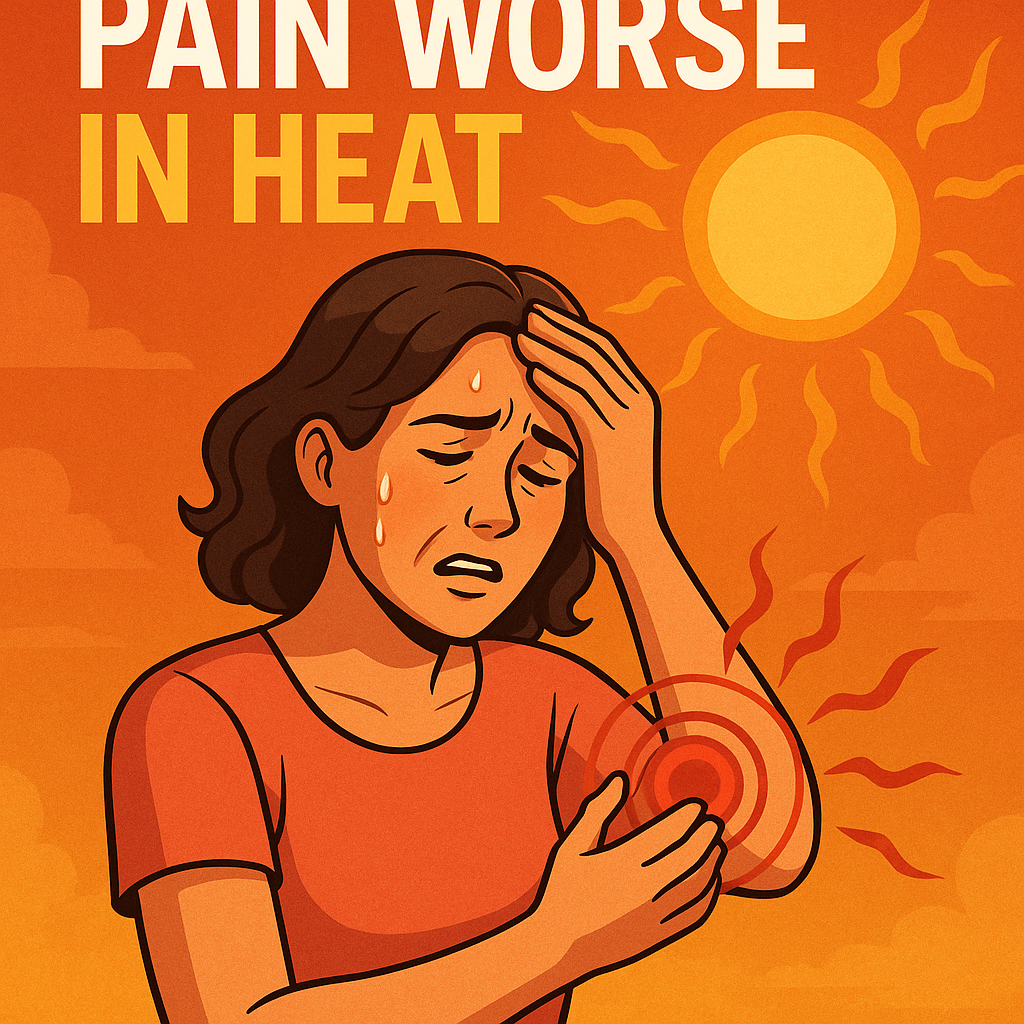
Pain Awareness When Symptoms Worsen in Heat
Understanding how and why pain may feel worse in heat is crucial for anyone managing discomfort following an accident, injury, or chronic condition. As temperatures climb, many people notice their usual symptoms become more intense, lingering, or even changing in character. This phenomenon can be particularly prominent for those recovering from injuries sustained in major incidents, such as truck accidents. Being aware of these patterns empowers individuals to communicate better with healthcare professionals and make informed decisions about their well-being. Let’s explore why this occurs, what patterns are most commonly recognized, and why symptom changes may unfold over time.
Why Symptoms Can Appear After Truck Accidents
Truck accidents are widely known for causing a range of physical injuries—some obvious, others subtle or delayed. The complex biomechanical forces involved in such collisions may impact muscles, soft tissues, joints, and the nervous system. Frequently, people involved in these incidents describe shock or adrenaline masking the full extent of pain for hours or even days. When symptoms do surface, they can take various forms such as stiffness, localized soreness, throbbing, or aching.
External environmental factors can strongly affect the way these symptoms present or shift. Hot weather is a common trigger for heightened pain awareness after truck accidents. This is because heat can influence bodily processes that play a role in discomfort perception, such as blood circulation, inflammation, and muscle tension. Additionally, post-accident pain can be unpredictable, often leading to frustration or concern as the body continues to adapt and recover.
Common Symptom Patterns (No Medical Instructions)
Awareness of common symptom patterns can help individuals recognize what they are experiencing without self-diagnosing. People frequently observe the following patterns when pain worsens in heat:
– Increased Swelling or Puffiness: Higher temperatures may cause blood vessels to expand and tissues to retain more fluid, contributing to a feeling of fullness or tightness in injured areas.
– Heightened Sensitivity: Nerves already sensitive due to trauma may respond more intensely to hot temperatures, making discomfort seem sharper or more widespread.
– Morning versus Afternoon Variability: Some individuals report less pain in the cooler morning hours, with symptoms becoming gradually more pronounced as the day warms up.
– More Noticeable Muscle Cramps or Spasms: Heat can affect muscle function, sometimes making cramps or spasms more frequent or severe, especially in areas already healing from an injury.
– Generalized Fatigue: Managing pain in hot conditions may lead to a cumulative sense of tiredness, even if sleep and rest are adequate.
– Reduced Willingness for Activity: The combination of higher temperatures and greater discomfort often leads people to limit their daily routines, particularly outdoor or strenuous activities.
These patterns do not provide a diagnosis, but they do give insight into how environmental factors intersect with post-accident symptoms and recovery experiences.
Why Symptoms Can Change Over Time
One important aspect of pain awareness is understanding that symptoms are not static. They often evolve, especially after an impactful event like a truck accident. Several reasons contribute to these changes:
– Body’s Healing Process: As tissues mend and inflammation subsides, symptoms may wax and wane. Sometimes, healing generates sensations that are interpreted as pain, tingling, or aching, which can seem more pronounced under certain circumstances.
– Weather and Seasonal Variations: The transition from cooler to warmer months can bring about noticeable shifts in pain levels. Hot weather can enhance swelling, affect hydration, and alter the way pain is perceived.
– Stress and Mental Factors: Changes in routine, coping with the aftermath of an accident, and the mental strain of ongoing discomfort can also intensify pain perception, particularly in hot, uncomfortable conditions.
– Activity Levels: Return to movement or exercise (such as walking or driving again) after a truck accident may highlight symptoms that were previously unnoticed.
– Adaptation and Awareness: Over time, as acute injuries become less prominent, individuals may become more aware of lingering symptoms, especially when heat draws attention to areas of previous injury.
Recognizing these patterns—without assuming any worst-case scenario—can be helpful for self-monitoring and reporting experiences accurately to professionals.
When People Typically Start Monitoring Symptoms
In the aftermath of a traumatic event like a truck accident, individuals often initially focus on immediate survival and urgent medical care. As days or weeks pass, attention may shift toward understanding physical changes and tracking discomfort. Typically, people become more vigilant about symptoms when:
– Everyday activities become difficult or require adjustments
– New or worsening symptoms appear, especially after physical or environmental changes, such as a spell of hot weather
– The discomfort interferes with sleep, work, or recreation
– Friends, family, or healthcare providers recommend keeping a symptom journal
– Preparing for follow-up medical appointments where accurate reporting aids in assessment
Monitoring symptoms as temperatures rise can provide valuable feedback about the recovery process and help individuals communicate their experiences more clearly.
Neutral Closing Paragraph
Being mindful of how pain can change—particularly when symptoms appear to worsen in heat—supports individuals in navigating the often unpredictable process of recovery. By understanding common patterns and being attentive to changes over time, people can share more detailed observations with their support networks. This awareness promotes better self-understanding and minimizes surprises along the journey, contributing to more effective long-term management of post-accident challenges.