
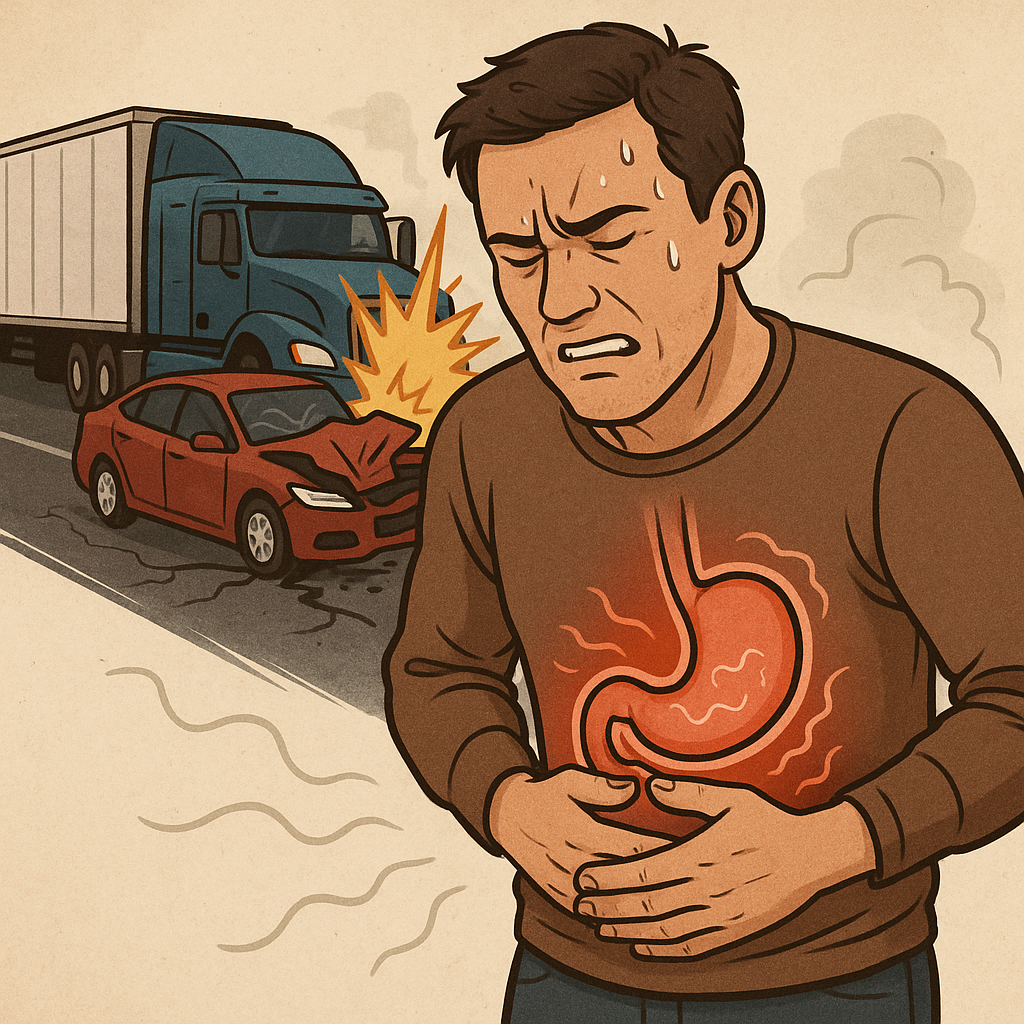
Digestive Discomfort After Truck Crash Trauma
Experiencing digestive discomfort after a truck crash is more common than many people might think. While it may seem surprising that the digestive system could be affected after such a traumatic event, the body’s response to both physical injuries and psychological stress following a collision can often lead to changes in gastrointestinal function. Understanding why digestive discomfort can arise after a truck crash, the typical patterns of symptoms, and why these symptoms might change over time can be beneficial for anyone concerned about their well-being following an accident.
—
Why Symptoms Can Appear After Truck Accidents
Truck crashes are traumatic incidents that put considerable stress on the human body. During a collision, the body may experience physical forces, emotional distress, and a surge of stress hormones. All of these factors can influence digestive health in several ways.
Physical Impact: The abdominal area is often vulnerable during a crash. The seatbelt, which is crucial for safety, sits across the abdomen and may press forcefully against the digestive organs during impact. Even if outward injuries are not obvious, the jolt to the digestive system can temporarily disrupt normal function.
Stress and Anxiety: The psychological impact of a truck accident should not be underestimated. Even days or weeks afterwards, the body may remain in a heightened state of alertness—releasing stress hormones like cortisol and adrenaline. This can slow or disrupt the regular movement of the digestive tract, sometimes resulting in discomfort.
Disruption of Routine: After a crash, changes in daily habits are common, including altered eating schedules, sleep disturbances, or increased use of medications. All of these can affect digestion.
It’s important to note that while digestive discomfort after a truck crash is not unusual, these symptoms are influenced by a combination of physical, psychological, and habitual changes resulting from the incident.
—
Common Symptom Patterns
Digestive discomfort after a truck crash trauma can take many forms. Each person’s experience may be different, but a few common patterns are often reported:
– Abdominal Sensations: This might include a feeling of tightness, mild pain, bloating, or unusual fullness.
– Changes in Bowel Movements: Some individuals notice changes such as constipation, diarrhea, or more urgent needs to use the restroom.
– Appetite Changes: It’s common for people to experience either a loss of appetite or, less commonly, an increase in cravings for certain types of food.
– Nausea or Heartburn: Feelings of queasiness, unease, or burning sensations in the upper abdomen may arise, sometimes linked to anxiety or changes in routine.
– Gas and Cramping: The digestive system can be sensitive to stress and change, sometimes resulting in increased gas or intermittent cramping.
Every person’s response can vary widely and symptoms may differ in onset, frequency, and intensity.
—
Why Symptoms Can Change Over Time
The body’s response to trauma is dynamic, meaning symptom patterns don’t always remain constant in the days and weeks following a truck crash. Several factors can contribute to these changes:
– Adaptation: The digestive system may slowly return to normal as the body and mind adapt to life after the collision, leading to gradual improvement in discomfort for some people.
– Ongoing Stress: Stress levels might fluctuate depending on life circumstances, insurance issues, or disruptions that arise after an accident, affecting digestive comfort on certain days more than others.
– Lifestyle Adjustments: Recovery often necessitates changes in physical activity, diet, and medication use, which can either alleviate or worsen digestive symptoms depending on the specifics.
– Emotional Shifts: Emotional responses to a traumatic event can ebb and flow over time, sometimes resurfacing unexpectedly and influencing physical sensations, including digestive function.
It’s not unusual for symptom patterns to evolve as both the mind and body recover from the initial impact and the associated disruptions.
—
When People Typically Start Monitoring Symptoms
After a truck crash, people become more attuned to their bodies, particularly if new or unusual symptoms develop. Individuals might start monitoring their digestive discomfort soon after the accident—sometimes within the first few hours or days—especially if the discomfort is distracting or persistent.
Common reasons people begin to keep track of their symptoms include:
– Worry about New Sensations: New digestive discomfort, such as bloating or nausea not previously experienced, often prompts individuals to pay closer attention.
– Disruption of Daily Activities: If symptoms interfere with eating, working, or sleeping, individuals may notice patterns or triggers more readily.
– Curiosity About Recovery: People often want to understand how their body is recovering, which can lead to informal symptom tracking in diaries or smartphone notes.
– Discussions with Others: Sharing experiences with friends, family, or other individuals involved in the crash often highlights similar symptoms and encourages monitoring.
This self-awareness can help people recognize any changes in their well-being and promote a better understanding of the body’s natural recovery process after trauma.
—
Neutral Closing Paragraph
In summary, experiencing digestive discomfort after a truck crash is not uncommon, as the body and mind respond to the multifaceted stress of trauma. While these symptoms can be concerning, understanding the potential causes and symptom patterns offers reassurance, helping people to pay attention to their needs as they adapt and recover. By staying informed about the body’s natural reactions, individuals can approach post-accident experiences with greater knowledge and confidence, supporting their overall well-being during the recovery journey.