
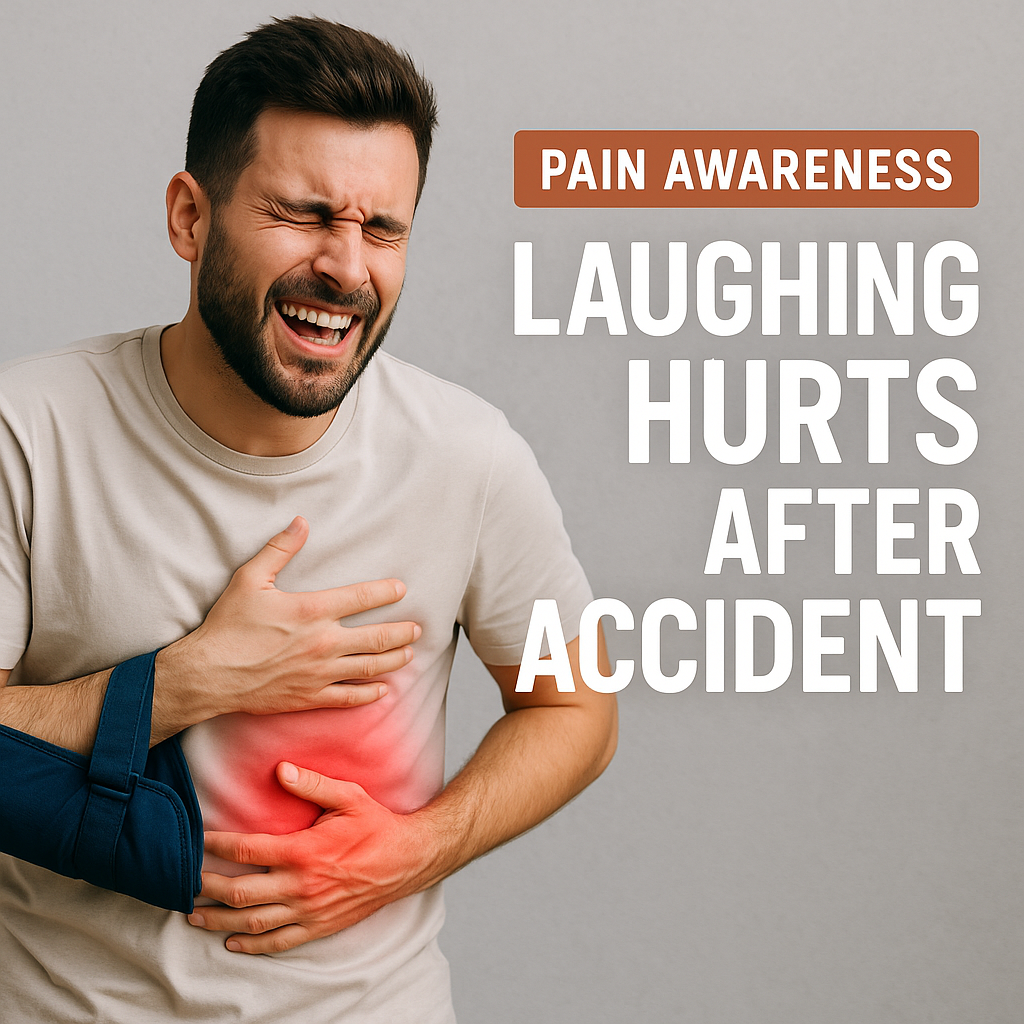
Pain Awareness When Laughing Hurts After Accidents
After experiencing a traumatic event like a truck accident, it’s common for individuals to notice new or unusual pain—sometimes in unexpected situations, such as when laughing. The sensation that “laughing hurts after accident” can be both confusing and concerning. Understanding why this happens, and why symptoms can develop or change over time, is crucial for recognizing what your body may be telling you post-accident. This article offers an educational overview, helping you become more aware of symptom patterns and the typical timeline for noticing changes after truck-related incidents.
Why Symptoms Can Appear After Truck Accidents
Truck accidents are unique in their scale and potential for intense physical force. The body is suddenly exposed to a powerful impact, which may not result in immediate, visible issues. Instead, the effects can be subtle at first, manifesting as discomfort that only becomes evident during specific activities—like laughing, coughing, or even taking a deep breath.
During such high-impact events, the body’s natural adrenaline response often masks pain and other symptoms initially. Soft tissue, muscles, and joints may experience strains, shocks, or compressions that aren’t immediately obvious. Notably, structures in the chest and abdomen are vulnerable since they work hard during laughter. When “laughing hurts after accident,” this pain is sometimes a delayed result of the body’s reaction to forceful movements or jolts experienced during the collision.
In addition, psychological factors such as stress or heightened awareness can play a role. Post-accident anxiety might cause individuals to become hyper-aware of sensations they typically ignore. As normal activities like laughing engage various muscle groups and expand the chest or abdomen, any underlying sensitivity or discomfort can suddenly become noticeable.
Common Symptom Patterns (No Medical Instructions)
The phrase “laughing hurts after accident” points to certain recurring symptom patterns that individuals may notice, especially after being involved in a truck accident. While pain is the most reported sensation, the character and location of discomfort can differ widely.
For many, the discomfort arises as a sharp, pulling, or aching feeling. This may appear along the chest, ribcage, abdomen, or even the upper back. Some people notice pain only when their bodies are engaged in actions that involve movement of the torso—such as laughing, sneezing, or deep breathing—because these motions place extra demand on the muscles and tissues that might have been affected during the accident.
Other individuals report a bruised or tender feeling when pressing on certain areas of the body. Laughter, which causes the diaphragm and intercostal muscles (those between the ribs) to contract, can magnify any underlying discomfort. In some cases, the pain may be associated with stiffness, making it harder to move freely. It’s not uncommon for individuals to feel fine at rest but then notice pain during bursts of laughter or other sudden chest or abdominal engagements.
Additionally, residual soreness, strange twinges, or a sensation of tightness may become apparent even hours or days after the event. These patterns can vary based on several factors, including the severity of the impact and individual sensitivity.
Why Symptoms Can Change Over Time
One important aspect to recognize is that bodily symptoms after a truck accident can change significantly in the days and weeks that follow. The initial aftermath often brings a rush of adrenaline and stress chemicals, which can temporarily mask pain. Only after these wear off do discomforts, such as pain during laughter, become clear.
Inflammation and swelling sometimes develop gradually following trauma. Tissue irritation or strain might not peak until 24–72 hours after the accident, a time when people often begin to sense pain that wasn’t earlier apparent. Microtears and minor bruising in muscles or soft tissue may fully emerge only after a delay, causing pain during movements that stretch or challenge these areas—like when laughing.
Moreover, people who limit movement immediately after an accident (perhaps out of caution or discomfort) can experience stiffness or reduced flexibility, which makes certain activities more uncomfortable. Over time, as individuals try to return to regular activities, including socializing and laughing, they may realize that these actions trigger unexpected discomfort.
Healing and adaptation also play a role. The body’s natural repair mechanisms may reduce pain in some areas while uncovering new sensitivities in others. Sometimes, compensatory muscle use or postural adjustments made subconsciously after an injury might create new pain points, which are only noticed as normal activities resume.
When People Typically Start Monitoring Symptoms
It’s common for people not to notice certain symptoms, such as pain when laughing, until a few days after a truck accident. Initially, the body is focused on immediate survival and safety. In the direct aftermath, attention is often on obvious or severe injuries, while minor discomforts may be overlooked.
Monitoring tends to begin when daily life resumes or when engaging in familiar activities, like laughing with friends, reveals new discomforts. For many, it is the attempt to return to regular routines—at work, home, or social settings—that spotlights pain that arises during laughter or deep breathing.
Attention to symptoms often intensifies if there are noticeable changes—such as increasing pain, swelling, or new patterns of discomfort in previously unaffected activities. At this point, people may start to track when the pain occurs and what seems to trigger it, especially if it interferes with routine movements or enjoyable experiences.
Furthermore, external factors like reminders from health professionals, family, or legal advisors may encourage people to monitor ongoing changes more carefully, especially if involved in accident-related claims or evaluations.
Neutral Closing Paragraph
Becoming aware of how and why pain may emerge or change after an accident is an important step toward understanding your post-accident experience. Sensations like “laughing hurts after accident” are not unusual and can result from a variety of physical and psychological factors related to trauma. Being mindful of new or shifting discomforts during everyday activities like laughing can help individuals navigate recovery with greater awareness and self-compassion. As each person’s response to an accident is unique, paying attention to symptom patterns over time can contribute to informed conversations with relevant professionals and support a thoughtful approach to recovery.