
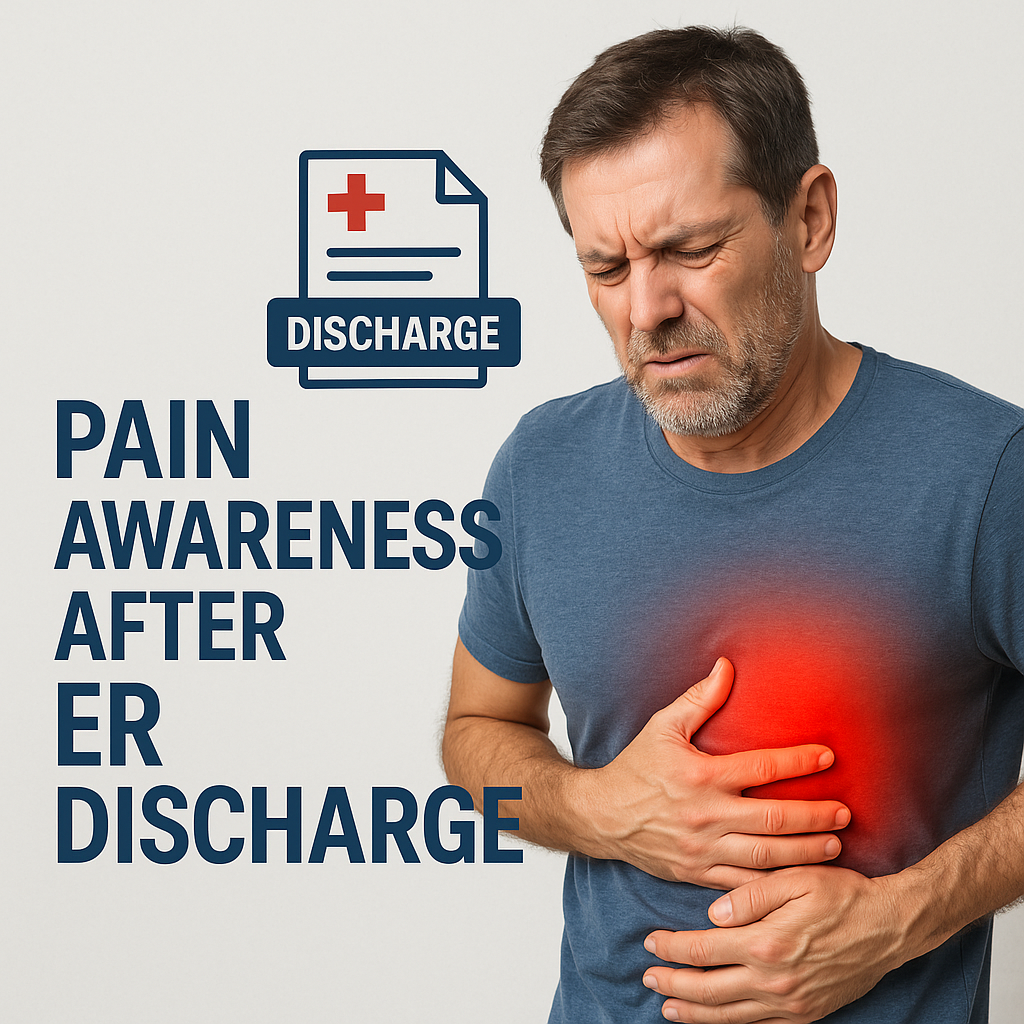
Pain Awareness After ER Discharge
After a truck accident, an Emergency Room (ER) visit often serves as the first medical step for many people. Immediate concerns—ranging from visible injuries to initial pain or shock—are addressed by professional medical teams. However, for many individuals, leaving the ER is not the end of their accident-related experience. A lesser-discussed topic is ER discharge pain awareness: understanding how pain and related symptoms can emerge or evolve after returning home. This article explores why symptoms sometimes appear after a truck accident, how common symptom patterns may develop, the reasons behind changing pain experiences, and when individuals typically start monitoring their symptoms.
—
Why Symptoms Can Appear After Truck Accidents
It’s natural to believe that the most serious symptoms of a truck accident would show up immediately. Yet, this is not always the case. There are several factors that may explain why symptoms sometimes develop hours, days, or even weeks after an accident.
First, the adrenaline rush experienced during and immediately after an accident can mask pain and other symptoms. The body’s “fight or flight” response elevates adrenaline levels, numbing discomfort and sharpening focus to help deal with immediate danger. This physiological state can conceal injuries or soft tissue damage, making pain less noticeable at the ER and in the first hours after the incident.
Second, certain injuries or strains may not present themselves until the body has returned to a more relaxed state. Soft tissue injuries—such as muscle sprains or whiplash—can have a delayed onset because inflammation, swelling, or muscle spasms often develop slowly. Similarly, the mental and emotional stress of the accident can shift focus away from emerging physical symptoms, which only become apparent after returning to familiar surroundings.
Additionally, the specific position and manner of a person’s body during impact can affect which symptoms appear and when. For example, if a person tensed their muscles during the accident, the resulting soreness or stiffness might not be fully noticed until muscle fatigue sets in later.
—
Common Symptom Patterns (No Medical Instructions)
While everyone experiences truck accidents differently, there are certain symptom patterns that commonly arise in the hours and days following ER discharge. These can vary based on the nature of the accident, an individual’s overall health, and other personal factors.
Some people initially notice general soreness or stiffness that gradually intensifies. This could be widespread or focused in areas that experienced direct impact, such as the neck, shoulders, or back. Bruising may also become more visible with time, as discoloration develops beneath the skin surface.
Fatigue is another commonly reported experience post-accident. The body’s recovery process, both physically and emotionally, can use up significant energy. Individuals may find themselves more tired than usual, with a need for extra rest.
Certain symptoms might emerge after a delay. For example, headaches could start hours later, or swelling in joints and muscles might become evident the next morning. Emotional symptoms—such as increased anxiety, trouble sleeping, or mood swings—are also reported by some individuals and can be just as impactful as physical symptoms.
It’s important to remember that symptom patterns can change, and what seems minor right after discharge can sometimes feel more pronounced once at home. Monitoring for any changes is a proactive step in personal healthcare and overall well-being.
—
Why Symptoms Can Change Over Time
The evolution of pain and other symptoms after ER discharge is a multi-faceted process. One main reason is the body’s natural healing and response systems, which can lead to fluctuations in discomfort.
Inflammation, for example, is a biological response that can take several hours to develop. A person may initially leave the ER with little pain, only to find sore or swollen areas appearing later as inflammatory processes progress. Swelling can also move or spread, leading to shifts in where discomfort is felt.
Additionally, increased activity or movement after discharge—such as walking, standing up, or performing daily tasks—may reveal injuries or discomfort that was not obvious while lying still in the hospital. Some individuals also become more attentive to their bodies once away from the hectic atmosphere of the ER, noticing aches or pains that were previously overshadowed by more acute concerns.
Emotional and cognitive responses can influence pain awareness as well. The mental processing of the accident experience might bring to light symptoms that were not initially recognized. Stress and anxiety may heighten overall awareness of bodily sensations, causing pain to feel more intense or widespread.
Finally, as time passes, new symptoms can occasionally arise while others fade away. This underscores the importance of ongoing awareness, as the process of healing and adjustment is unique for every individual.
—
When People Typically Start Monitoring Symptoms
For many, the transition from the ER to home is when the responsibility of symptom observation shifts more directly onto themselves or their support network. Often, the first 24 to 48 hours after ER discharge are when individuals become most attentive to new or changing pain.
During this period, people might notice soreness intensifying, bruising emerging, or new symptoms surfacing. It’s common for individuals to become more mindful of their physical and emotional state, particularly as they resume daily routines or attempt to rest.
Family members and caregivers can also play a critical role in encouraging symptom awareness, especially if they notice changes in mood, activity levels, or visible discomfort. Over time, people may establish a habit of checking in with themselves regularly, noting any changes or patterns that develop.
For some, personal experience or advice from medical professionals encourages ongoing vigilance—not only within the first few days but also throughout the following weeks. This reflects a growing understanding that pain and accident-related symptoms can be dynamic and evolving, rather than fixed at the time of ER discharge.
—
Staying Mindful of Pain After Discharge
Being released from the ER after a truck accident is a significant milestone, but it does not mark the end of the post-accident journey. Understanding ER discharge pain awareness—why symptoms can appear or change, common patterns, and the timing of new developments—helps individuals adopt a proactive approach to their well-being. While each person’s experience is unique, staying attentive and mindful of evolving symptoms supports informed decisions and overall recovery, keeping individuals and their support networks prepared as they navigate the days and weeks ahead.