
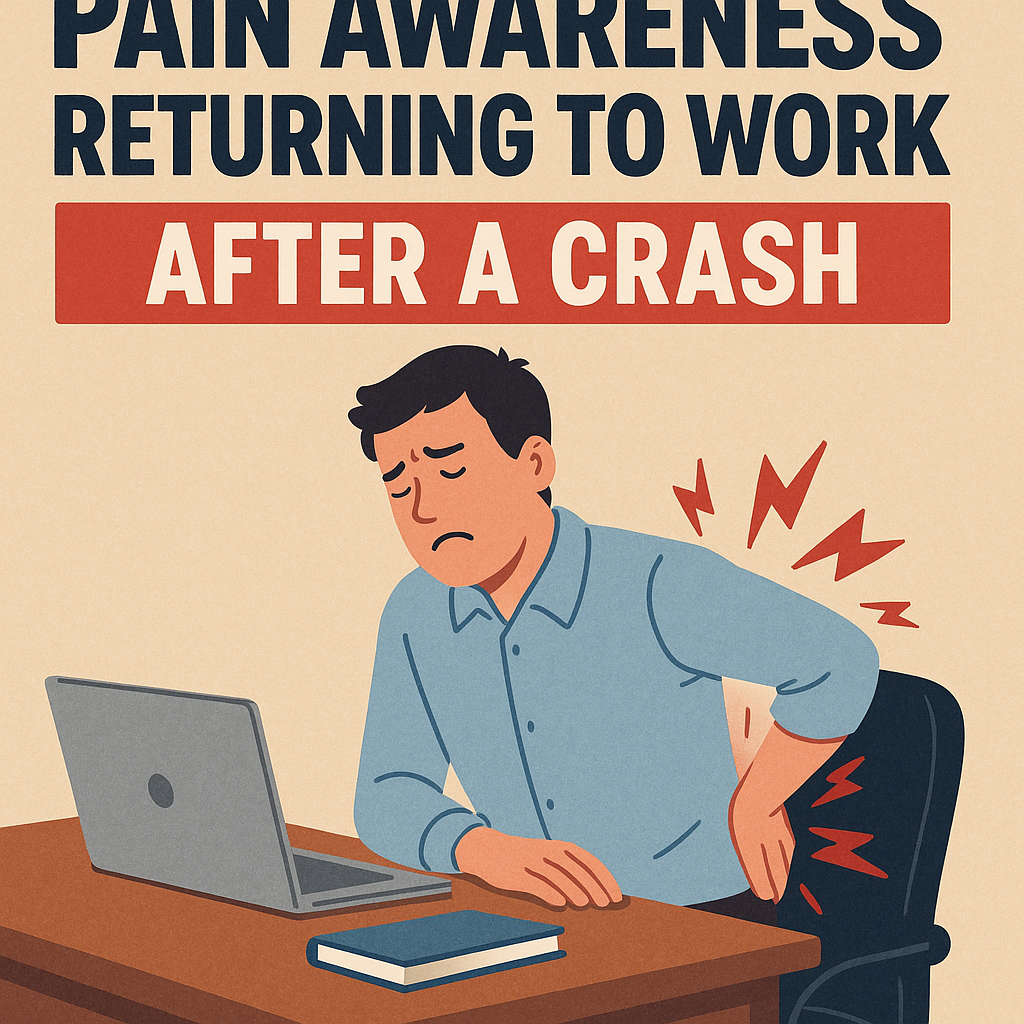
Pain Awareness While Returning to Work After a Crash
Returning to work after a crash—especially if it involved a truck—can feel like a fresh start and a challenge. One critical aspect often overlooked is “pain awareness returning to work.” Monitoring how your body feels and understanding changes in symptoms during this period can be essential, not only for your well-being but also for practical decisions regarding workload and duties. This article explores why pain or symptoms may surface or change following a crash, common patterns people experience, when individuals tend to start monitoring symptoms, and offers a neutral perspective on moving forward post-incident.
—
Why Symptoms Can Appear After Truck Accidents
Even when a crash seems minor or the initial aftermath feels manageable, symptoms may arise or intensify in the days or weeks following the event. Why does this happen? The answer lies in how the body and mind process trauma and stress.
Immediately after a crash, adrenaline and other stress hormones surge, sometimes masking pain and discomfort. Once adrenaline subsides, underlying symptoms—such as soreness, stiffness, or numbness—may become more noticeable. The physical impact of a collision, even at low speeds, can affect muscles, joints, nerves, and soft tissues. Additionally, the body’s protective responses might delay or temporarily suppress certain sensations that reappear as you resume routine activities like work.
Environmental and psychological factors also contribute. Returning to the familiar environment of the workplace may highlight injuries or discomfort previously unnoticed when you were in recovery or at home. The demands of specific tasks may prompt awareness of pain that was not obvious during rest.
—
Common Symptom Patterns (No Medical Instructions)
Awareness of pain symptoms can vary greatly between individuals, but some patterns are commonly reported by those returning to work after a truck crash.
– Delayed onset: It is not uncommon for people to feel fine immediately after a crash but develop soreness, headaches, or stiffness hours or days later. This can be due to soft tissue injury or inflammation that takes time to manifest.
– Activity-linked discomfort: Engaging in typical work tasks—such as lifting, typing, or standing for extended periods—can illuminate areas of pain or restriction that were not apparent during rest.
– Repetitive motion: Tasks involving repeated movement, especially if they mirror the body mechanics involved during the crash, may provoke or worsen discomfort.
– Localized vs. widespread pain: While some people notice specific areas of soreness (like the neck or back), others might experience more generalized symptoms such as fatigue, muscle aches, or tension.
– Fluctuating symptoms: Pain or discomfort may vary throughout the day, sometimes worsening with activity and improving with rest. For some, emotional stress or focus on work may distract from pain, only for it to reappear later.
These symptom patterns highlight why pain awareness returning to work is so important—for self-monitoring and self-care during this transition.
—
Why Symptoms Can Change Over Time
Symptoms related to pain and discomfort rarely stay the same throughout the recovery journey. Instead, they often shift, intensify, or gradually resolve. Several factors contribute to this evolution:
– Physical Healing Processes: As tissues repair, sensations like pain, stiffness, or weakness can change. Swelling and inflammation may increase or decrease, altering how you feel during daily activities.
– Activity Adjustment: Returning to work may introduce new types of movement or positions. Sometimes, this can expose strains or compensations that were dormant during periods of rest.
– Emotional and Psychological Influences: Stress, worry, or even excitement about returning to work can impact pain perception. Some people find that anxiety makes pain more noticeable, while others are distracted and less aware until later.
– Cumulative Fatigue: As work demands build up over days or weeks, fatigue can set in, lowering the body’s threshold for discomfort.
– Adaptation and Compensation: Over time, people may unintentionally alter the way they move to accommodate discomfort. While this helps in the short term, it can lead to new areas of soreness or imbalance.
Understanding that symptoms are dynamic helps promote ongoing pain awareness when returning to work. It also emphasizes the importance of self-reflection and open communication about how you’re feeling as your routine changes.
—
When People Typically Start Monitoring Symptoms
The point at which individuals begin actively monitoring their pain after a truck crash varies widely. Some start noticing and tracking symptoms almost immediately, especially if discomfort occurs during the initial return to work. Others may begin self-monitoring after realizing that symptoms persist or interfere with certain tasks.
Typical times people pay closer attention include:
– First few days or weeks back at work: Changes in pain or new sensations during work tasks often prompt closer self-monitoring.
– After specific activities: If a particular task results in noticeable discomfort, individuals may become more vigilant regarding pain patterns related to certain movements.
– When symptoms interrupt performance: If pain interferes with focus or productivity, it often triggers reflection and symptom tracking.
– Following conversations with supervisors, colleagues, or support teams: Sometimes, input or questions from others at work create new awareness or motivation to monitor symptoms.
– During check-ins or reviews: Regularly scheduled check-ins regarding health or work performance frequently lead people to think purposefully about their pain or comfort levels.
While some are proactive in monitoring symptoms right away, for others, self-awareness develops gradually as the realities of post-crash work life unfold.
—
Neutral Closing Paragraph
Pain awareness returning to work after a crash is a valuable practice, helping individuals stay informed about their own well-being as they navigate the transition back to normal routines. Recognizing how symptoms can emerge, change, or fluctuate over time supports a thoughtful approach to the recovery process. Paying attention to one’s body, without judgment or assumption, is a constructive step regardless of the path forward. Everyone’s experience is unique, and remaining observant and informed lays the groundwork for making the most of the return to work after a crash.