
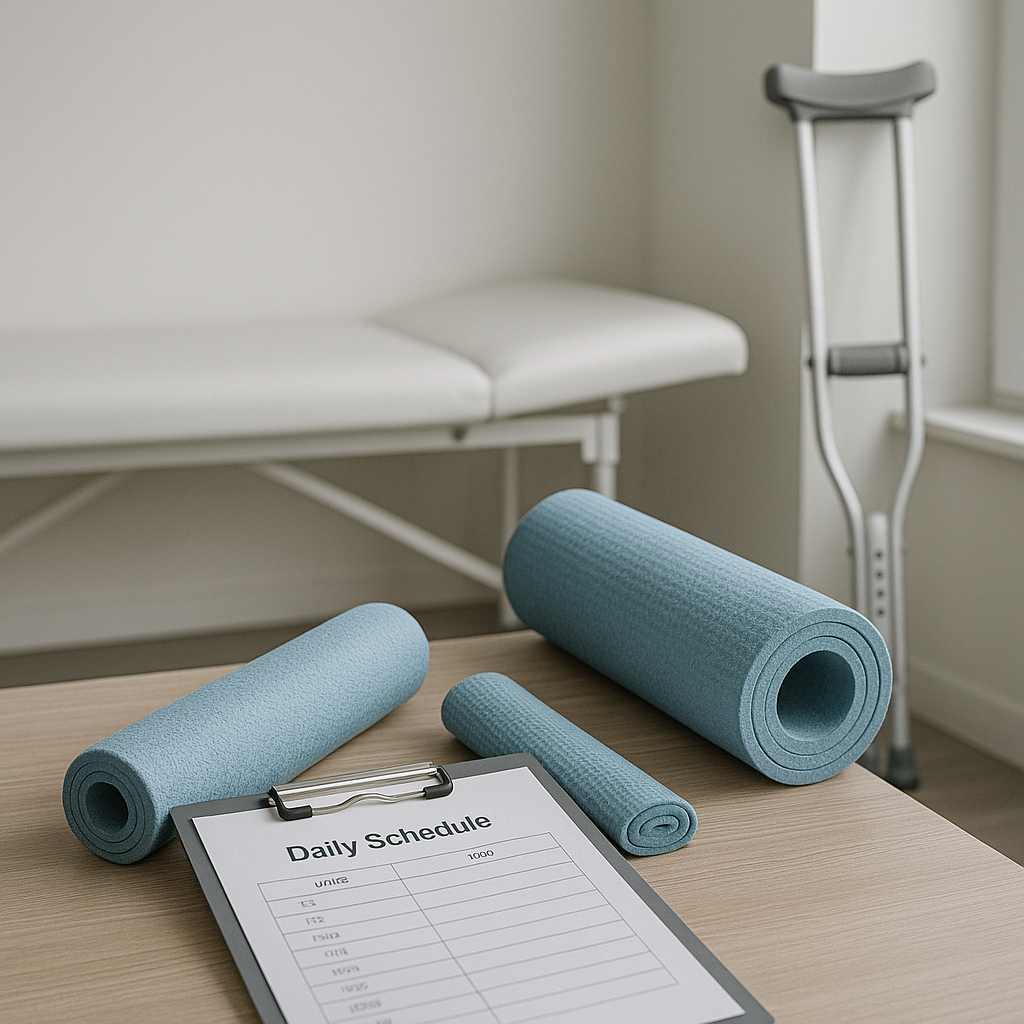
Managing Routines with Physical Therapy
Overview of Daily Coping Challenges After Severe Truck Accidents
Severe truck accidents can have a life-altering impact on those affected, frequently resulting in complex injuries, extended hospital stays, and long-term challenges. Individuals recovering from such accidents often experience both physical and psychological obstacles as they attempt to return to their everyday lives. Managing routines becomes a central focus, as tasks once taken for granted can now require significant planning and adaptation. For many, integrating physical therapy into daily life is essential, providing structure and measurable progress amid uncertainty.
The process of managing routines with physical therapy is shaped by the interplay of new physical limitations, healing processes, and the gradual re-learning of motor skills. Whether dealing with mobility impairments, chronic pain, or cognitive and emotional effects, those affected must navigate a constantly evolving landscape of needs and abilities. Physical therapy emerges not only as a set of treatments but also as a foundation for structuring daily living and coping.
Common Daily Difficulties
Individuals recovering from severe truck accidents may encounter a variety of daily difficulties related to their injuries. These challenges can extend beyond physical pain and can impact many aspects of individual and family life. Common issues include:
– Reduced mobility: Tasks such as walking, standing, climbing stairs, or transferring between sitting and standing positions can become major undertakings.
– Persistent pain or discomfort: Chronic pain, muscle tightness, or soreness may occur, affecting not just specific movements but basic comfort throughout the day.
– Fatigue: The healing process, medication side effects, and physical therapy routines can contribute to low energy or tiredness.
– Difficulty with coordination and balance: Neurological injuries or weakened muscles may result in instability, increasing the risk of falls or injury.
– Emotional and mental health challenges: Anxiety, frustration, and feelings of helplessness can arise, particularly when progress seems slow.
– Challenges with self-care: Basic activities such as bathing, dressing, cooking, or grooming can become difficult, potentially requiring assistance or adaptive equipment.
– Dependency on assistive devices: The need for wheelchairs, crutches, or walkers may introduce new logistical complexities.
– Disrupted sleep patterns: Pain, discomfort, and anxiety may interfere with restful sleep, compounding daily fatigue and emotional strain.
– Social isolation: Reduced ability to participate in work, school, or recreational activities may lead to feelings of loneliness or withdrawal.
These difficulties underscore the importance of developing new routines and coping strategies to foster recovery and independence.
Practical Coping Systems People Often Use
In response to these challenges, individuals often develop a variety of coping systems to adapt their routines and facilitate a return to daily life. While each person’s experience is unique, certain patterns frequently emerge among those managing routines with physical therapy.
– Routine Scheduling: Many find structure in setting consistent times for physical therapy exercises, rest, meals, and self-care. For some, adhering to a schedule provides a sense of control and normalcy.
– Use of Adaptive Equipment: Tools such as grab bars, shower chairs, or raised toilet seats can help overcome barriers to independent living. Assistive devices are frequently integrated into home and work environments to minimize strain and risk of injury.
– Support Networks: A reliance on family members, friends, caregivers, or peer support groups can relieve stress and provide motivation. Emotional and logistical support often proves essential during the recovery process.
– Prioritization of Activities: People may learn to focus energy on the most important or rewarding tasks. Non-essential activities are sometimes postponed or delegated to conserve energy and reduce fatigue.
– Built-in Rest Periods: Scheduling breaks during the day can help manage fatigue and prevent overexertion. This pacing allows for continued participation in rehabilitation without overwhelming exhaustion.
– Environmental Modifications: Rearranging living spaces for greater accessibility—such as moving important items within reach or creating obstacle-free pathways—can make routines more manageable.
– Incorporation of Relaxation Techniques: Practices like mindfulness, meditation, or guided relaxation are frequently adopted to address stress and pain, contributing to emotional wellbeing alongside physical recovery.
– Journaling Progress: Maintaining a journal or log of daily activities, symptoms, and accomplishments can offer encouragement and allow individuals to recognize gradual improvements, fueling persistence and hope.
– Utilizing Technology: Mobile apps and wearable devices can assist with reminders for exercises, medication, or appointments, supporting adherence to therapy routines.
These coping systems are often refined over time, reflecting individuals’ changing needs and gradual improvements in ability and confidence.
How Coping Improves Gradually Over Time
The process of managing routines with physical therapy is dynamic and often characterized by steady, incremental improvement. Early stages of recovery might involve significant assistance and close supervision, while later stages may see individuals independently navigating more complex tasks. Coping strategies are frequently modified in response to progress, setbacks, or evolving goals.
In the initial period following a severe injury, the adaptation process can be particularly challenging. Simple tasks may seem insurmountable, and the prospect of regaining independence might feel distant. However, the supportive framework of physical therapy fosters both capability and confidence. As therapy proceeds, exercises are typically adjusted in complexity and intensity to match the extent of healing and restoration of strength or mobility.
Over time, many individuals observe a gradual expansion of what is possible within their daily routines. Movements can become more fluid, pain may diminish, and stamina can improve, allowing for greater participation in household, social, and recreational activities. Emotional resilience tends to grow as well, as individuals recognize their ability to manage daily responsibilities and setbacks more effectively.
Coping systems that were once essential for basic functioning may shift focus, targeting new areas such as recreational goals, workplace adaptations, or increased social engagement. The incremental nature of progress, combined with support, enables many individuals to reclaim meaningful elements of their pre-accident lives, though adjustments and accommodations may remain essential long-term.
Neutral Closing Paragraph
Managing routines with physical therapy after a severe truck accident involves navigating a spectrum of challenges and leveraging practical coping systems tailored to individual needs. While the process is often marked by gradual change and adaptation, the pursuit of consistent, structured routines can foster both physical recovery and emotional resilience. For those impacted, the collaborative efforts of healthcare providers, support networks, and self-developed coping strategies create a framework for ongoing adjustment and improvement. The experience underscores the importance of patience, flexibility, and perseverance as individuals work toward reclaiming daily routines and enhancing their quality of life.