
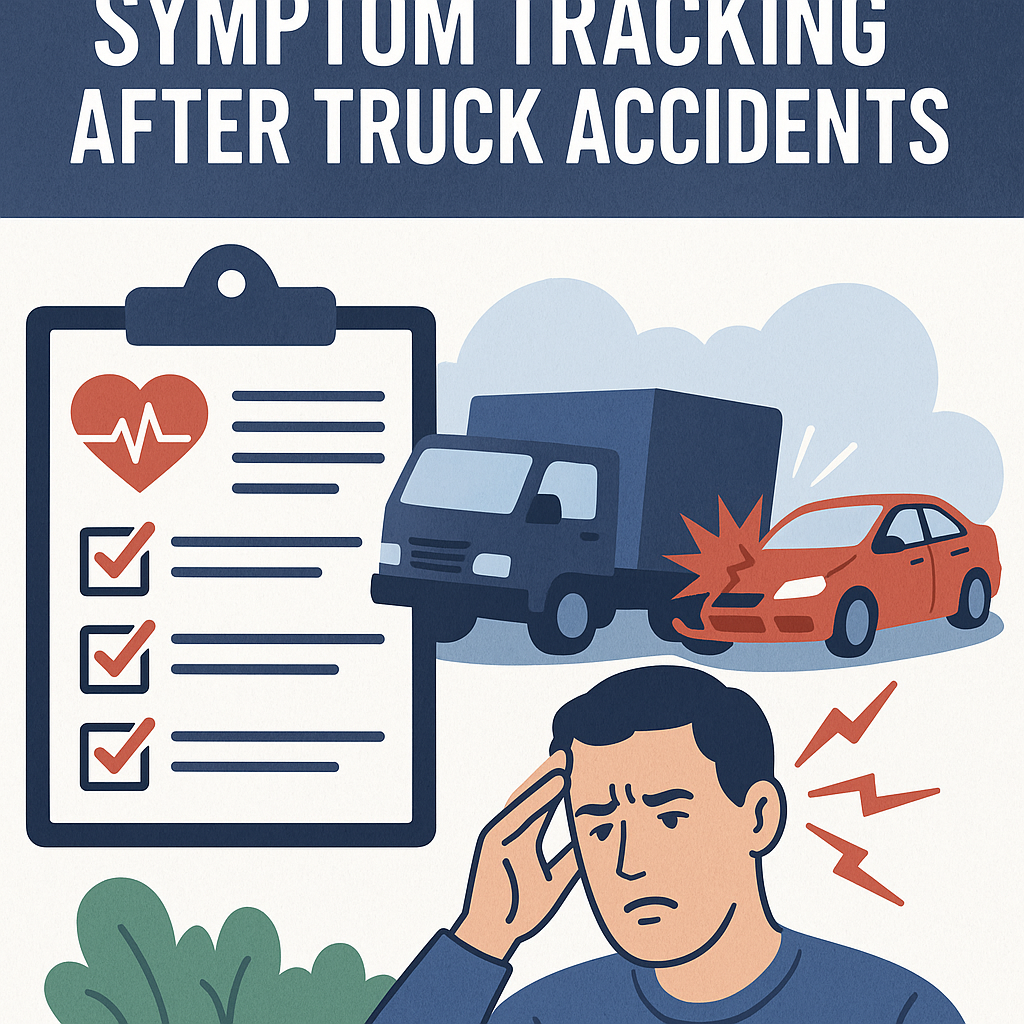
Understanding Symptom Tracking After Truck Accidents
Being involved in a truck accident can be a life-altering experience. While immediate injuries are often addressed at the scene, many people are surprised to discover new or changing physical and emotional responses in the days or weeks that follow. This delayed emergence of issues underscores the importance of symptom tracking after truck accidents. Monitoring physical and psychological changes can offer invaluable insight, empowering individuals with information that may assist in personal care, discussions with professionals, and better understanding the body’s response to trauma.
Why Symptoms Can Appear After Truck Accidents
After a truck accident, the body and mind go through a complex response to trauma. Sometimes, symptoms are masked by adrenaline or shock, only surfacing once things calm down. The force of a truck collision can be significant, even in cases that don’t initially seem severe. The body’s protective mechanisms—such as heightened alertness and endorphin release—can delay or alter the perception of discomfort.
Additionally, not all injuries or responses are immediately visible. For example, stiffness, bruising, headaches, or emotional effects may not materialize until hours or days after the event. This delayed onset is a key reason why experts often recommend that people pay close attention to their bodies and behaviors for several days after any serious vehicle collision, particularly those involving large commercial trucks.
Common Symptom Patterns (No Medical Instructions)
Understanding typical symptom patterns can help accident survivors recognize changes worth observing and recording. It is important to remember that no two people will experience the same effects, and not all responses point to serious injury. Here are some commonly reported patterns:
– Physical Sensations: Some individuals notice soreness, aches, or tightness in the neck, back, or limbs. Headaches, dizziness, and changes in balance are other reported effects.
– Visible Signs: Swelling, discoloration (such as bruising), or reduced range of motion in joints and muscles can develop as soft tissues react to trauma.
– Sleep and Fatigue: Disrupted sleep patterns, feeling unusually tired, or experiencing restlessness are not uncommon following stressful incidents.
– Emotional Reactions: Irritability, anxiety, mood changes, or even feelings of numbness can emerge as the mind processes the accident.
– Cognitive Changes: Difficulty concentrating, forgetfulness, or a sense of mental “fog” are sometimes reported.
– Delayed Onset: Some symptoms may occur suddenly after a period of apparent normalcy, while others may gradually increase in intensity or become noticeable only after certain activities.
Through diligent symptom tracking after a truck accident, individuals can identify patterns over time, which may otherwise go unnoticed.
Why Symptoms Can Change Over Time
One unique aspect of post-accident responses is how symptoms can evolve, fade, or intensify as days pass. There are various reasons for this changing landscape:
– Healing Process: As the body recovers, some sensations lessen while others, like stiffness or new bruises, momentarily intensify.
– Activity Levels: Returning to routine activities can reveal issues not apparent during rest. For example, pain might become more evident during specific movements or tasks.
– Emotional Processing: It’s common for emotions to shift as initial shock wears off and the mind begins to process the experience more deeply.
– Delayed Effects: Injury to soft tissue or the nervous system may take time to manifest as inflammation develops or as tighter muscles become sore.
– Environmental Factors: Weather changes, stress at work, or changes in sleeping arrangements can influence how symptoms present themselves from day to day.
These factors make ongoing symptom tracking after a truck accident especially useful, allowing individuals to notice changes that could otherwise be overlooked.
When People Typically Start Monitoring Symptoms
Many people begin tracking symptoms immediately after the accident, especially if they notice pain or discomfort at the scene or shortly after. Others may wait until they start experiencing new or unexpected issues in the days following the collision. There’s no single “right” time to start—any shift in feelings or physical state may prompt an individual to start taking notes.
Often, the process is initiated by:
– An unusual or persistent ache, headache, or feeling of stiffness a day or two post-accident
– Changes in daily functions, such as trouble sleeping, concentrating, or moving normally
– The appearance of bruising or swelling
– Emotional changes like sudden irritability, nervousness, or difficulty coping
For some, symptom tracking begins at the suggestion of a trusted person or as a proactive measure. Regardless of when it starts, consistent and honest notes—no matter how minor the symptom—can provide clarity and a sense of control during an often confusing time.
Neutral Closing Paragraph
Truck accidents can present both immediate and delayed physical and emotional responses. By understanding why symptoms arise and how they can fluctuate, individuals can more effectively track and describe their experiences without drawing conclusions about their cause or severity. Whether symptoms appear right away or develop gradually, symptom tracking after a truck accident is a valuable educational practice that offers a clearer picture of one’s well-being over time. This awareness can support more informed conversations with professionals and help individuals feel more engaged in their own post-accident journey.