
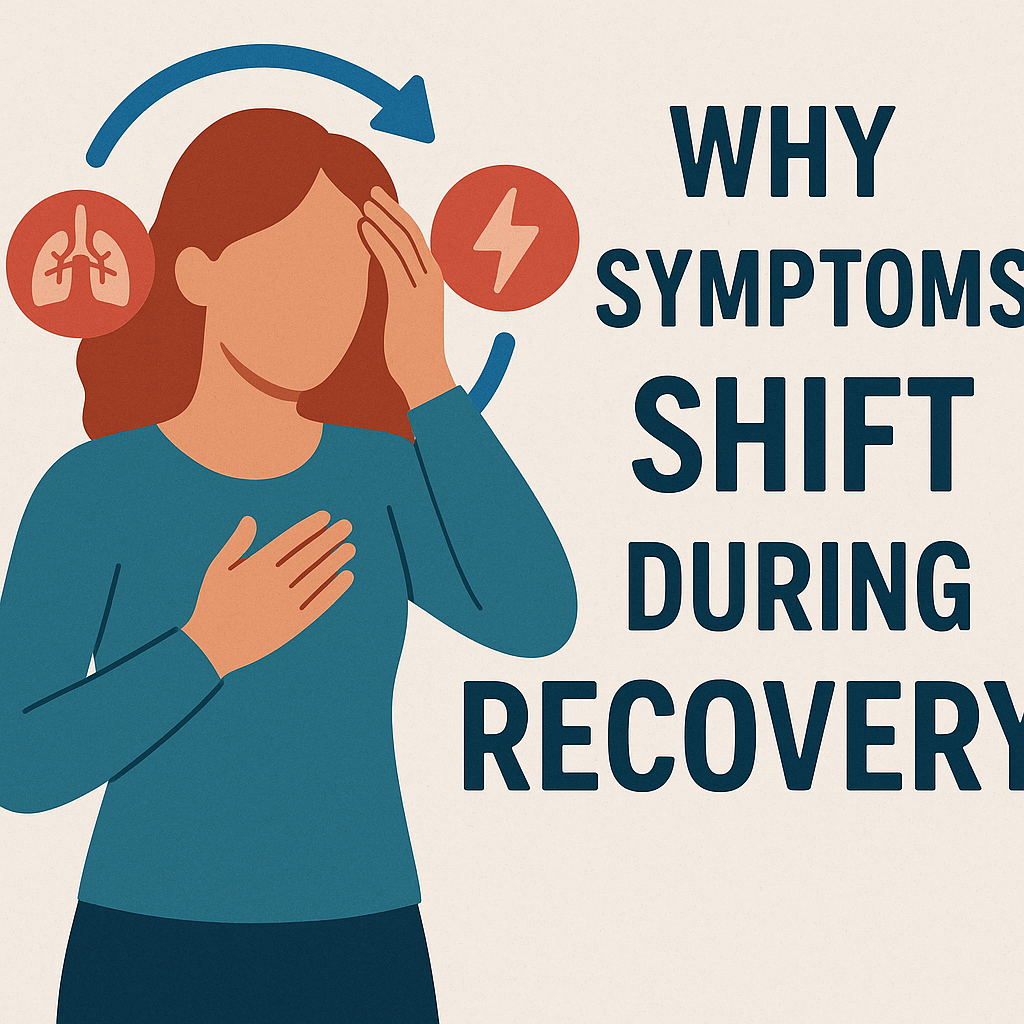
Why Symptoms Shift During Recovery
Recovery after an accident can be unpredictable, especially when it comes to how symptoms change over time. This shifting symptom picture is a common experience for many people, particularly following events like truck accidents. Understanding why symptoms can evolve, fluctuate, or even newly appear during recovery can help individuals better monitor their well-being and communicate effectively with healthcare professionals. This article explores why symptoms shift during recovery, what patterns are often observed, and when most people start to track the course of their symptoms.
—
Why Symptoms Can Appear After Truck Accidents
Truck accidents, due to their size and force, can result in a wide variety of physical and emotional responses. Even minor incidents may lead to noticeable symptoms, while more significant accidents can prompt complex reactions that unfold over days or weeks. The human body frequently experiences a surge of adrenaline at the time of the accident. This natural response can mask discomfort, stiffness, or other physical signs in the immediate aftermath.
After this initial phase, as adrenaline decreases, individuals may become aware of sensations they did not notice right away. Soft tissue injuries, headaches, dizziness, and emotional responses are among the most commonly reported developments. It’s important to recognize that the body’s systems—musculoskeletal, neurological, and emotional—often need time to process the experience. As these systems start to recover or respond to injury, new symptoms may surface alongside the original ones.
Environmental factors and lifestyle changes following an accident (such as changes in sleep, activity level, or stress) can also play a role in the appearance and intensity of symptoms. The dynamic nature of these influences often leads to shifts in the way people feel over the course of their recovery.
—
Common Symptom Patterns (No Medical Instructions)
The pattern of symptoms after a truck accident can vary widely from person to person. Some individuals notice immediate discomfort, while others find that their symptoms develop gradually. Here are a few common patterns observed:
– Delayed Onset: It is possible for some symptoms to appear hours or even days after an accident. This is known as delayed onset and can be attributed to the body’s initial stress response.
– Fluctuating Symptoms: Symptoms such as pain, stiffness, or dizziness may fluctuate in intensity. Some days may feel relatively normal, while others can bring a resurgence of discomfort or fatigue.
– New Symptoms: As recovery progresses, new sensations can develop. For example, one area of the body may start to compensate for another, creating different aches or tension.
– Emotional Changes: It’s also common to notice emotional symptom patterns, like mood swings, irritability, or trouble focusing, especially as the impact of the accident sinks in.
– Secondary Effects: Sleep disturbances, loss of appetite, or changes in energy levels are sometimes reported secondary effects as the body adjusts during recovery.
It is important to note that everyone’s experience is unique; symptom patterns can be influenced by a variety of physical and psychological factors.
—
Why Symptoms Can Change Over Time
The shifting nature of symptoms during recovery is tied to the body’s ongoing healing processes. Here are a few explanations for these changes:
1. Stages of Healing: As the body repairs tissues and calms inflammation, the sensations that were once prominent might fade, while others — like stiffness or weakness — may become more noticeable as activity increases.
2. Compensation and Adaptation: Sometimes, as people limit the use of an injured area, other muscles or joints begin to compensate. This can lead to new areas of discomfort or altered movement patterns.
3. Awareness and Focus: Initially, shock and distraction can mask symptoms. As attention to health increases over time, subtle or previously unnoticed issues may become more apparent.
4. Activity Level Adjustments: Returning to regular activities can bring about new sensations, either as a natural result of healing or as the body encounters new stressors and challenges.
5. Emotional Processing: The emotional impact of a truck accident may surface only after some time has passed, contributing to changes in symptom patterns.
6. Lifestyle and External Factors: Sleep patterns, stress levels, and daily habits often shift during recovery, all of which can influence how and when symptoms appear or resolve.
This variability is why regular monitoring and open communication with professionals is important, especially as new or different experiences arise.
—
When People Typically Start Monitoring Symptoms
Most people begin to monitor their symptoms closely within the first few days after an accident, especially as the initial shock subsides and physical sensations become clearer. The realization that symptoms can shift during recovery often becomes apparent as different patterns emerge over the course of days or weeks.
For some, a specific event — like returning to work, resuming exercise, or noticing an interruption in sleep — prompts closer attention to symptoms. Others may start tracking symptoms in response to conversations with healthcare professionals, insurance providers, or legal advisors.
Symptom monitoring may include noting the type, intensity, and timing of sensations, as well as factors that seem to improve or worsen them. This careful observation can assist in recognizing patterns and facilitates more productive discussions during medical consultations.
Self-awareness and symptom tracking are valuable tools for navigating the ever-changing recovery landscape. By noticing symptom shifts, individuals can make more informed lifestyle decisions and better articulate their needs.
—
Understanding Symptom Shifts During Recovery
The journey of recovery is rarely linear, and shifting symptoms are a normal part of this process for many people, particularly after significant events like truck accidents. Symptoms can change due to the natural progression of healing, compensation by different body parts, changes in activity or lifestyle, and even emotional processing. By understanding the reasons behind these shifts, individuals are better positioned to recognize and respond to their own recovery experience. Maintaining awareness of the patterns and timing of symptoms can help facilitate communication with healthcare professionals. Remember, every recovery journey is unique, and staying informed can empower individuals to navigate it with confidence and clarity.