
Why Do I Feel Anxious When Changing Lanes Now?
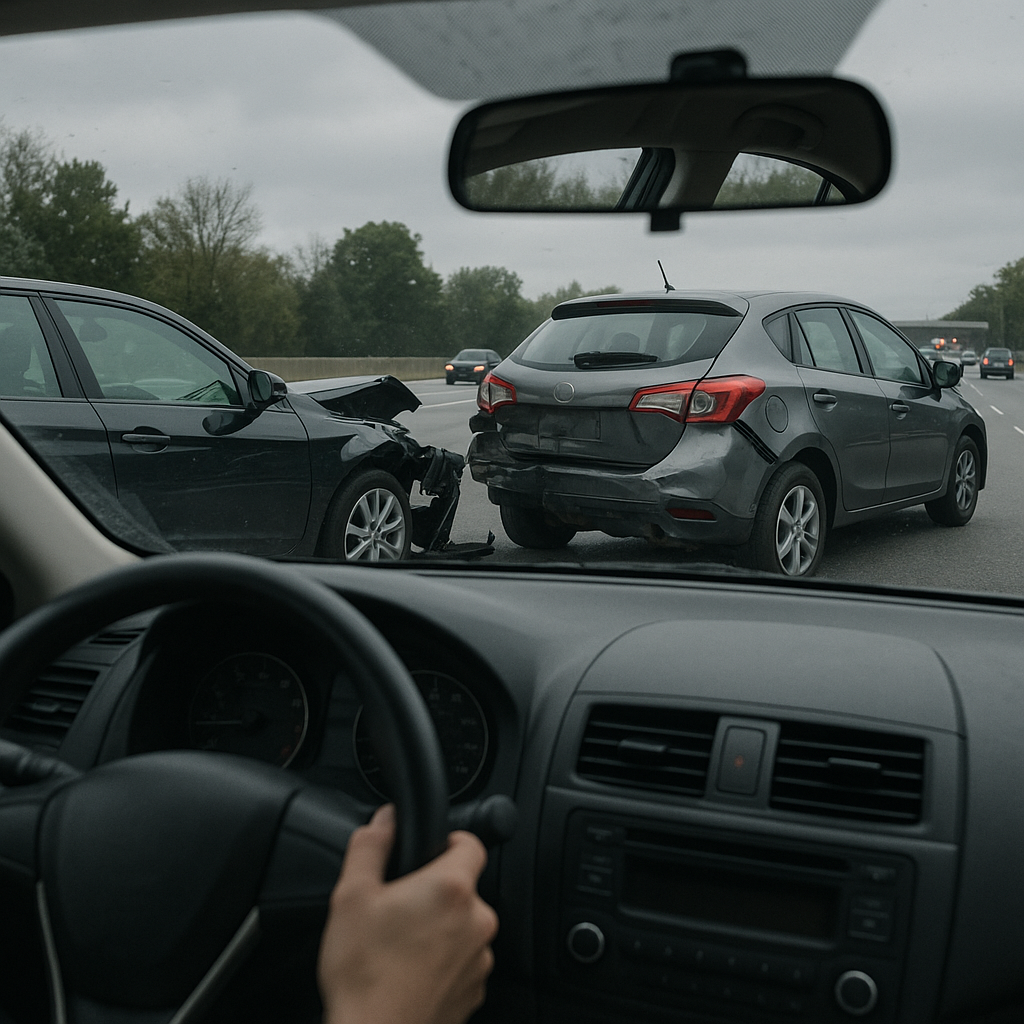
Feeling anxious when changing lanes can be a surprising and unsettling experience, especially if it wasn’t an issue before. Many individuals who have been involved in car accidents, particularly lane-change incidents, find that their comfort and confidence on the road shift dramatically afterward. Why does this seemingly routine driving act suddenly become fraught with worry?
Why This Question is Common After Severe Accidents
This question is frequently asked by people who have experienced a severe accident, particularly one involving lane changes or merging. Serious collisions can have a profound psychological impact, lingering well beyond any physical injuries. Even after physical recovery, driving may not feel the same as it did before.
After a traumatic event, the mind naturally seeks to protect itself from future harm. For many, the act of changing lanes—especially if it played a direct role in the accident—becomes tangled with memories of danger, loss of control, or fear. It’s common among accident survivors to notice anxious feelings, racing thoughts, or a sense of dread when returning to activities associated with the crash.
Beyond the individual level, the rise in awareness about road safety and post-accident stress means more people are acknowledging and discussing these feelings. This increased openness helps normalize the experience of feeling anxious changing lanes after a crash.
Clear Neutral Explanation
The sensation of anxiety when changing lanes, especially after an accident, is often linked to a psychological phenomenon known as “associative fear.” After a distressing or traumatic event, the brain connects certain activities or surroundings with danger, in an attempt to keep you safe.
When you change lanes, you might recall elements of the accident—sounds, images, even particular stretches of road. The subconscious mind uses these reminders to flag potential threats, heightening alertness through physical symptoms like sweating, tightness in the chest, or a racing pulse. These reactions are part of the body’s natural fight-or-flight mechanism, designed to keep people out of harm’s way.
Over time, repeated anxious reactions can reinforce the association between lane-changing and danger. Sometimes this manifests as hesitation, overthinking, or even avoidance behaviors. The initial purpose is self-protection, but it can become inconvenient or distressing if the anxiety persists or worsens.
Helpful Emotional Context
Emotionally, the aftermath of a car accident reaches further than most expect. Even if the physical wounds have healed, anxiety can persist in subtle ways. Changing lanes, an act once carried out with little thought, may now bring up feelings of vulnerability or loss of trust—both in oneself and in other drivers.
People often describe an acute awareness of their surroundings, hypersensitivity to the behavior of cars nearby, and intrusive memories of the crash itself. This emotional turbulence is a reflection of the body and mind trying to integrate the memory of what happened while maintaining a sense of safety.
It is also common to experience self-doubt, frustration, or embarrassment about these new anxieties. Many individuals feel isolated, worrying they “should be over it by now,” or that their reaction is an overstatement of the risk. These feelings are a normal part of the recovery journey after a traumatic event, and they reflect a sensitive, adaptive response from the mind and body.
Common Misconceptions
One pervasive misconception is that anxiety related to lane changes will simply disappear with time or that it is a sign of weakness. While time can help, psychological reactions to trauma can persist long after physical injuries have healed. The anxious feelings stem from ingrained protective mechanisms, not character flaws.
Another misconception is that anxiety in this context always means someone is “not fit to drive.” Most people who feel anxious changing lanes after a crash are still capable drivers—they are just managing an emotional response to a specific situation. Cautiousness is often misinterpreted as incompetence, but in reality, it may reflect increased vigilance rather than diminished ability.
There is also a tendency to believe that avoiding driving or lane changes is a permanent solution. While avoiding triggers may provide short-term relief, it can reinforce the association between the action and danger, maintaining or even intensifying the anxiety over time. This cycle is commonly misunderstood as a sign that the anxiety is worsening, rather than a natural response to avoidance.
Closing Paragraph
The experience of feeling anxious when changing lanes after an accident is rooted in a complex interplay between memory, safety, and emotion. This reaction is common and deeply human, reflecting the mind’s efforts to prevent harm and ensure wellbeing. While the presence of anxiety may feel disruptive or confusing, it is a predictable response within the recovery process, shaped by both psychological and emotional factors. Understanding the origins and context of these feelings is a gentle first step toward processing them, offering validation and support for anyone who finds themselves asking, “Why do I feel anxious when changing lanes now?”