
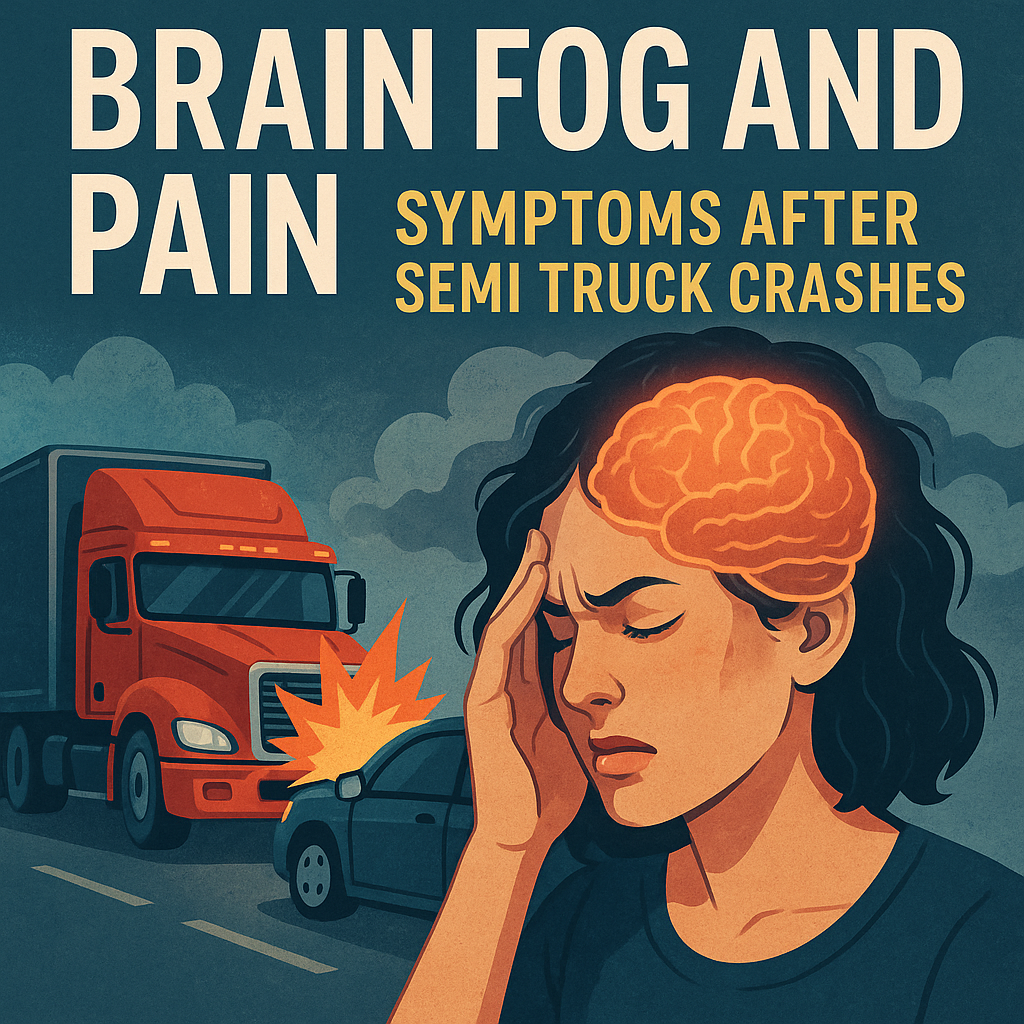
Brain Fog and Pain Symptoms After Semi Truck Crashes
Semi truck crashes are among the most serious types of vehicle accidents, often resulting in complex physical and cognitive symptoms for those involved. Among the most reported issues following such incidents are brain fog and pain. Understanding why these symptoms occur, how they present, and the ways they may change in the days and weeks after a crash can help individuals recognize and track their health patterns. This educational article explores the emergence and nature of brain fog and pain symptoms after semi truck crashes, shedding light on common timelines and important points for observation.
—
Why Symptoms Can Appear After Truck Accidents
When a semi truck is involved in a crash, the forces involved are significant because of the vehicle’s immense size and weight. This often leads to a sudden and jarring impact, even more so than in typical car crashes. The human body, even protected by seatbelts and airbags, can be exposed to powerful physical stresses in the blink of an eye.
In accidents involving large trucks, the risk of sudden movement, abrupt stops, or being struck by debris rises, potentially leading to the body experiencing whiplash, blunt impacts, or abrupt twisting motions. The brain can be especially sensitive to these forces, as it floats within the skull. Even if there is no direct blow to the head, rapid acceleration or deceleration can cause the brain to move, which may trigger symptoms such as confusion or foggy thinking — often referenced as “brain fog.”
Meanwhile, the rest of the body may be exposed to strains, contusions, and stress-induced pain. Muscles, joints, and the spine can bear the brunt of the impact, leading to discomfort that may not be obvious in the immediate aftermath of a crash. Pain experienced after a semi truck crash can stem from a combination of physical forces, the body’s stress response, and the emotional shock of the event.
—
Common Symptom Patterns (No Medical Instructions)
Brain Fog
“Brain fog” is a widely-used term to describe a collection of cognitive symptoms that may include confusion, forgetfulness, difficulty concentrating, and a general sense of mental haze. After a semi truck crash, individuals may notice:
– Difficulty focusing: Tasks requiring attention or memory may feel harder than normal.
– Slowed thinking: Responses and thought processes may seem delayed.
– Mental fatigue: Even minor cognitive efforts may cause a sense of exhaustion.
– Forgetfulness: Simple details, names, or conversations may be easily forgotten.
This mental cloudiness can feel especially concerning when paired with the stress and logistical challenges that often follow accidents.
Pain
Pain after a semi truck crash can present in many ways, such as:
– Neck and back pain: Due to the likelihood of whiplash or rapid movement.
– Headaches: Sometimes connected to physical or psychological stress.
– Joint or muscle soreness: Arms, legs, shoulders, and other extremities may all be affected.
– Delayed onset pain: Some discomfort may appear hours or even days later as the body’s responses settle.
It’s common for pain patterns to vary, sometimes shifting in intensity, location, or quality. For example, pain may initially be masked by adrenaline and only become apparent after some time has passed.
—
Why Symptoms Can Change Over Time
One of the complexities after a semi truck crash is that symptoms do not always remain static. Brain fog and pain can evolve for several reasons:
– Delayed Physical Response: The body’s stress hormones, like adrenaline, often mute pain and cognitive symptoms right after an accident. As these chemicals diminish, underlying issues may become more noticeable.
– Compensatory Movements: People may change how they move or how they use their bodies to reduce discomfort, inadvertently causing new areas of strain or fatigue.
– Psychological Impact: Stress and anxiety after a major accident may contribute to varying degrees of brain fog or heightened body sensitivity.
– Inflammatory Processes: Swelling or muscle tension may develop hours or days after the incident, affecting both pain and cognitive clarity.
This variability means that new or changing symptoms aren’t uncommon, and individuals may notice shifts in their physical or mental state over time following a truck crash.
—
When People Typically Start Monitoring Symptoms
The hours, days, and weeks after a semi truck crash are periods of heightened vigilance for many individuals. Monitoring of symptoms often starts soon after the incident, typically when the initial shock wears off and the adrenaline subsides. For some, the realization that something feels “off,” such as persistent brain fog or emerging pain, prompts them to pay closer attention to physical and mental health changes.
People might begin tracking how they feel in several situations:
– After returning home: Away from the scene and immediate stress, it’s easier to notice difficulties with thinking or physical discomfort.
– In the days following the crash: As fatigue sets in or soreness appears, journaling symptoms or discussing them with loved ones can become more routine.
– During daily activities: If regular tasks become more challenging, individuals may become more aware of cognitive or physical changes.
– As symptoms fluctuate: Variation in how foggy or sore someone feels often leads to increased self-monitoring.
This period of self-observation can provide valuable information about personal changes and may inform decisions about seeking further support, planning time off, or managing day-to-day activities.
—
Neutral Closing Paragraph
Brain fog and pain symptoms are frequently experienced by individuals following semi truck crashes, shaped by the unique circumstances and impact forces of such events. While these symptoms can be unsettling, recognizing common patterns and understanding how and why they may shift over time equips people with practical knowledge about their recovery experience. Monitoring these changes can be a useful approach in the aftermath of an accident, helping individuals remain aware of their physical and cognitive well-being as they navigate the days and weeks following a truck-related crash.