
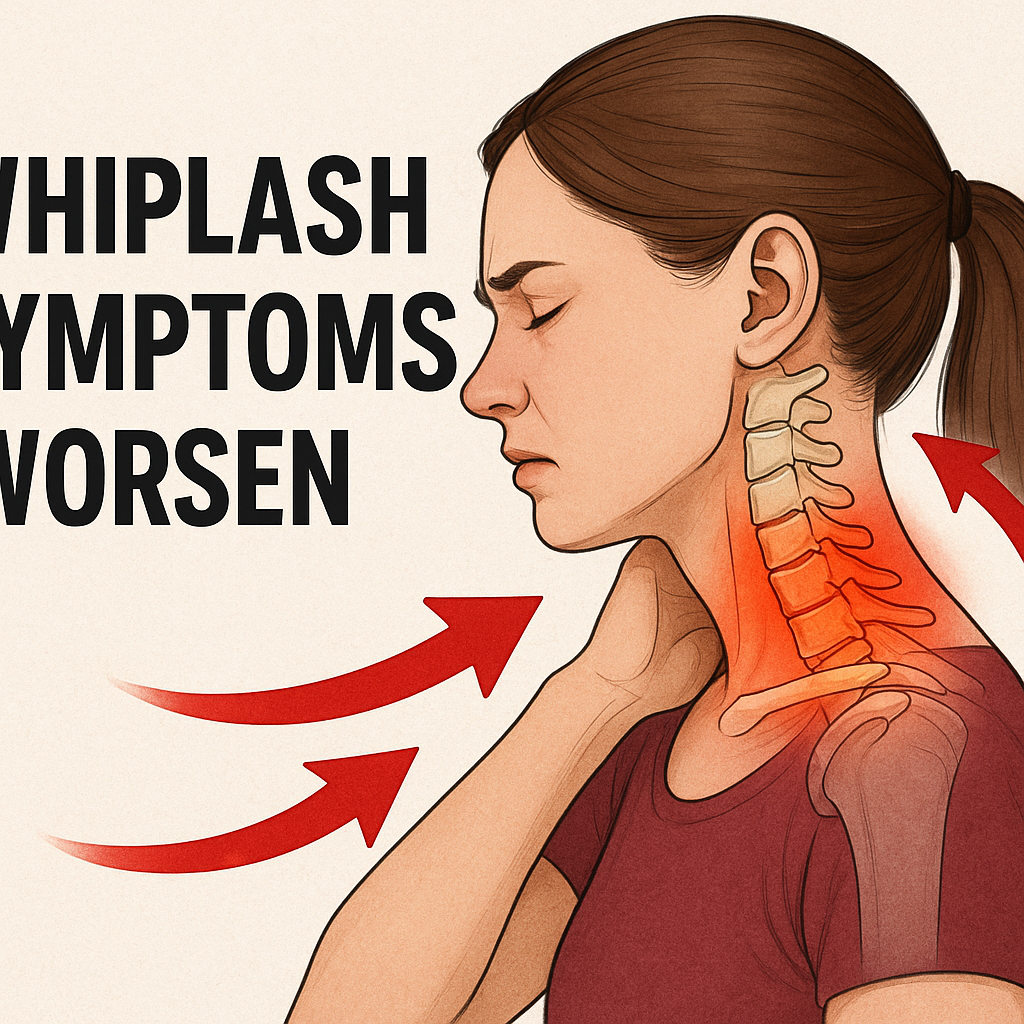
Whiplash Symptoms That Worsen Over Time
Whiplash is a term used to describe a range of neck injuries that usually happen after a sudden forceful movement—most commonly from vehicle accidents, like truck collisions. While some individuals experience immediate discomfort, others might find their symptoms appear or worsen in the days or weeks following an accident. Understanding why whiplash symptoms can worsen over time is crucial for recognizing the nature of these injuries and knowing when to seek further attention.
Why Symptoms Can Appear After Truck Accidents
Truck accidents often involve high levels of force due to the size and weight of the vehicle. Even at lower speeds, the momentum generated in a truck collision can jolt the head and neck back and forth abruptly. This motion can overstretch or strain muscles, ligaments, and other soft tissues in the neck area.
At the time of the accident, adrenaline and other stress-related chemicals in the body can mask initial discomfort and pain. As the immediate response to the incident wears off, symptoms may start to become more noticeable. In some cases, the full impact of the injury is only realized after the body’s defenses subside, leading to delayed or gradually increasing whiplash symptoms.
Common Symptom Patterns
Whiplash symptoms can manifest differently from person to person, but several patterns are commonly reported, especially after truck accidents:
– Delayed Onset: Some people initially feel fine, only noticing aches or stiffness hours or days after the incident.
– Increasing Stiffness: Neck stiffness and reduced mobility might start mildly and worsen, especially after periods of rest or overnight.
– Growing Headaches: Headaches developing at the base of the skull can intensify with time, potentially radiating to the forehead, temples, or shoulders.
– Evolving Pain Locations: Discomfort may start just in the neck but can spread to the shoulders, upper back, or arms as time progresses.
– Sensory Changes: Tingling, numbness, or a pins-and-needles sensation in the arms or hands may become more prominent over days or weeks.
– Fatigue or Cognitive Changes: Some individuals notice they feel increasingly tired, struggle to concentrate, or experience memory lapses after the accident.
It’s also not unusual for symptoms to wax and wane—sometimes improving temporarily only to worsen again later. These fluctuating patterns can make it challenging to correlate specific symptoms directly to the initial accident.
Why Symptoms Can Change Over Time
The progression or intensification of whiplash symptoms is influenced by a complex interplay of biological and situational factors:
– Inflammatory Response: The body’s natural healing mechanisms can cause inflammation, leading to increased pain and stiffness that may reach a peak several days after injury.
– Muscle Tension: After the trauma, neck muscles might tighten to stabilize the area, but this protective mechanism can result in persistent or worsening discomfort over time.
– Delayed Recognition: It’s not uncommon for people to unconsciously restrict movements to avoid pain, which can cause muscles and joints to stiffen further and symptoms to intensify.
– Activity and Rest Cycles: Sometimes, returning too soon to regular activities or remaining inactive for extended periods can both contribute to evolving symptom severity.
– Emotional and Psychological Factors: The stress and anxiety associated with being in a truck accident can influence how symptoms develop and are experienced, potentially exacerbating sensations of pain and discomfort.
Because every individual’s body responds differently to injury, the course and severity of whiplash symptoms can vary widely.
When People Typically Start Monitoring Symptoms
For many individuals involved in truck accidents, the decision to start closely monitoring symptoms happens when:
– Initial adrenaline has worn off, and discomfort becomes noticeable.
– They realize movements are more restricted, or pain is interfering with daily activities.
– Symptoms that were only mild or barely perceptible at first begin aggravating or expanding to new areas.
– Sleep or concentration is affected due to growing physical discomfort.
– Colleagues, friends, or family members point out changes in movement, posture, or mood.
It’s common for people to dismiss mild symptoms in the hours or first day after an accident, attributing them to temporary shock or stress. However, as time goes on and symptoms become more pronounced, many start to keep track of how their symptoms change—whether by noting pain intensity, location, or factors that seem to aggravate or relieve discomfort.
Neutral Closing Paragraph
Recognizing that whiplash symptoms can worsen over time is important for anyone involved in a truck accident or similar traumatic event. Understanding common symptom patterns and the reasons why symptoms may change can empower individuals to be observant of their body’s signals in the days and weeks following an incident. Tracking these changes can be helpful in communicating clearly with medical professionals if needed. Whether symptoms appear immediately or gradually increase, staying informed is a proactive step that supports overall well-being after a traumatic event.