
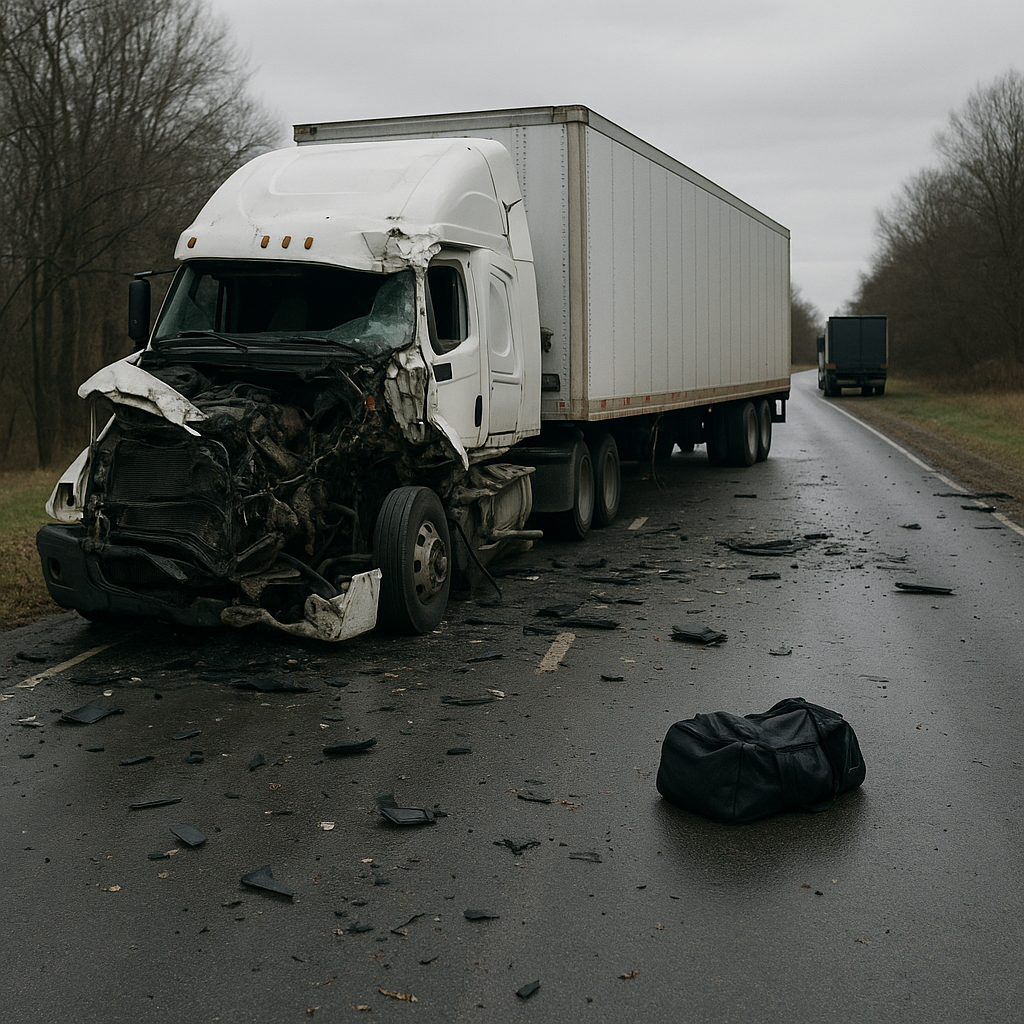
Daily Coping After Severe Truck Accidents
Overview of Daily Coping Challenges After Severe Truck Accidents
Severe truck accidents can alter the trajectory of a person’s life in profound ways. The aftermath extends far beyond immediate physical injuries, often affecting emotional health, cognitive functioning, and overall well-being. As individuals recover, the need to cope with these impacts becomes part of daily life. Whether the injuries are visible or hidden, survivors contend with the ongoing challenge of adapting to new routines, managing pain, and processing significant life changes.
Coping on a daily basis after a severe truck accident encompasses more than physical healing—it involves a continuous navigation of psychological, emotional, and social adjustments. Individuals encounter both the expected and unexpected hurdles every day, from basic tasks that become surprisingly arduous to complex emotions related to the traumatic event. Understanding these daily coping mechanisms sheds light on the realities faced by survivors and the adaptability they demonstrate.
Common Daily Difficulties
After a severe truck accident, many individuals experience a spectrum of ongoing difficulties that can intrude upon everyday activities. These commonly reported daily challenges include:
– Chronic Pain or Physical Limitations: Many survivors manage discomfort, restricted movement, and mobility impairment, making tasks such as walking, standing, or sitting for prolonged periods challenging.
– Fatigue: Persistent tiredness or exhaustion, often due to injury, medication, or poor sleep quality, can impact productivity and participation in daily routines.
– Cognitive Challenges: Trouble concentrating, memory lapses, or difficulty processing information often arise, particularly when brain injuries have occurred.
– Emotional Distress: Feelings of anxiety, depression, irritability, or mood swings are frequently reported and can be as disabling as physical injuries.
– Sleep Disruptions: Insomnia, nightmares, and restless sleep patterns are common, sometimes due to pain or as a psychological response to trauma.
– Loss of Independence: Relying on others for personal care, transportation, or household tasks may lead to frustration and a diminished sense of autonomy.
– Social Isolation: Changes in ability, appearance, or energy can limit social interactions, sometimes resulting in loneliness or withdrawal from support networks.
– Sensory Difficulties: Heightened sensitivity to light, sound, or other sensory input may be noted, especially if there was a mild traumatic brain injury.
Each of these factors has the potential to shape the course of daily life, necessitating continuous adjustments as survivors strive to reclaim a sense of control and normalcy.
Practical Coping Systems People Often Use
To address these daily challenges, individuals frequently develop systems and habits that ease the impact of their new realities. The process of coping is highly individualized and influenced by personal preferences, the nature of injuries, and available social support. Among the coping strategies commonly observed:
– Establishing Consistent Routines: Regular schedules for meals, activities, and rest help some people manage expectations and boost predictability in a changed environment.
– Adaptive Devices and Home Modifications: The use of mobility aids, ergonomic furniture, voice-activated technology, or bathroom safety features supports physical independence.
– Mindfulness and Relaxation Techniques: Practices such as meditation, deep breathing, or listening to calming music are often integrated into daily routines to alleviate stress and regulate emotions.
– Task Simplification: Breaking down tasks into smaller, more manageable steps or using checklists can make cognitive and physical challenges less overwhelming.
– Peer Support and Social Groups: Engaging in community groups or online forums where members share similar experiences can foster emotional resilience and reduce feelings of isolation.
– Creative Engagements: Many find solace or a creative outlet through reading, writing, drawing, or music, allowing for emotional expression and mental distraction.
– Delegation and Asking for Support: Accepting help from family, friends, or professional caregivers becomes a regular aspect of daily life for those dealing with significant limitations.
– Scheduled Rest and Self-Pacing: Building in regular periods of rest, and learning to listen to the body’s signals, assists in preventing exhaustion and managing pain levels.
These approaches evolve over time and are not necessarily adopted all at once; rather, they emerge as each survivor identifies what best alleviates their particular struggles.
How Coping Improves Gradually Over Time
Recovery and adaptation following a severe truck accident are dynamic processes. For most survivors, coping does not remain static. Instead, it transforms as physical healing occurs, emotional wounds begin to mend, and new life structures are established. Often, the initial phase is marked by acute difficulties and emotional turmoil. Over subsequent weeks and months, many report gradual improvements in their ability to manage daily life, rooted in accumulated experience, routine building, and changing perspectives.
Small achievements—such as being able to manage personal care independently, reengage with hobbies, or complete errands—can serve as milestones in the coping journey. The psychological adjustment to a new sense of self, combined with practical solutions and support systems, frequently results in greater confidence and self-efficacy. Over time, survivors often describe learning to live with certain limitations, accepting new norms, and occasionally discovering strengths they had not previously recognized.
The process of coping is influenced by both internal factors, such as resilience or optimism, and external factors, such as the presence of a supportive network or access to rehabilitation resources. As adaptation progresses, daily challenges may become less overwhelming, and some individuals find innovative ways to participate more fully in valued activities. Improvement is often gradual and non-linear; setbacks may occur, but these too become part of the coping narrative.
Neutral Closing Paragraph
Daily coping after a severe truck accident is a multifaceted endeavor, shaped by a unique blend of challenges and adaptive responses. While each person’s journey unfolds differently, the common thread is an ongoing effort to manage the practical and emotional realities resulting from significant trauma. By examining the experiences and strategies of those who have navigated this process, a deeper understanding emerges of both the hardships and the resilience involved in day-to-day adaptation.