
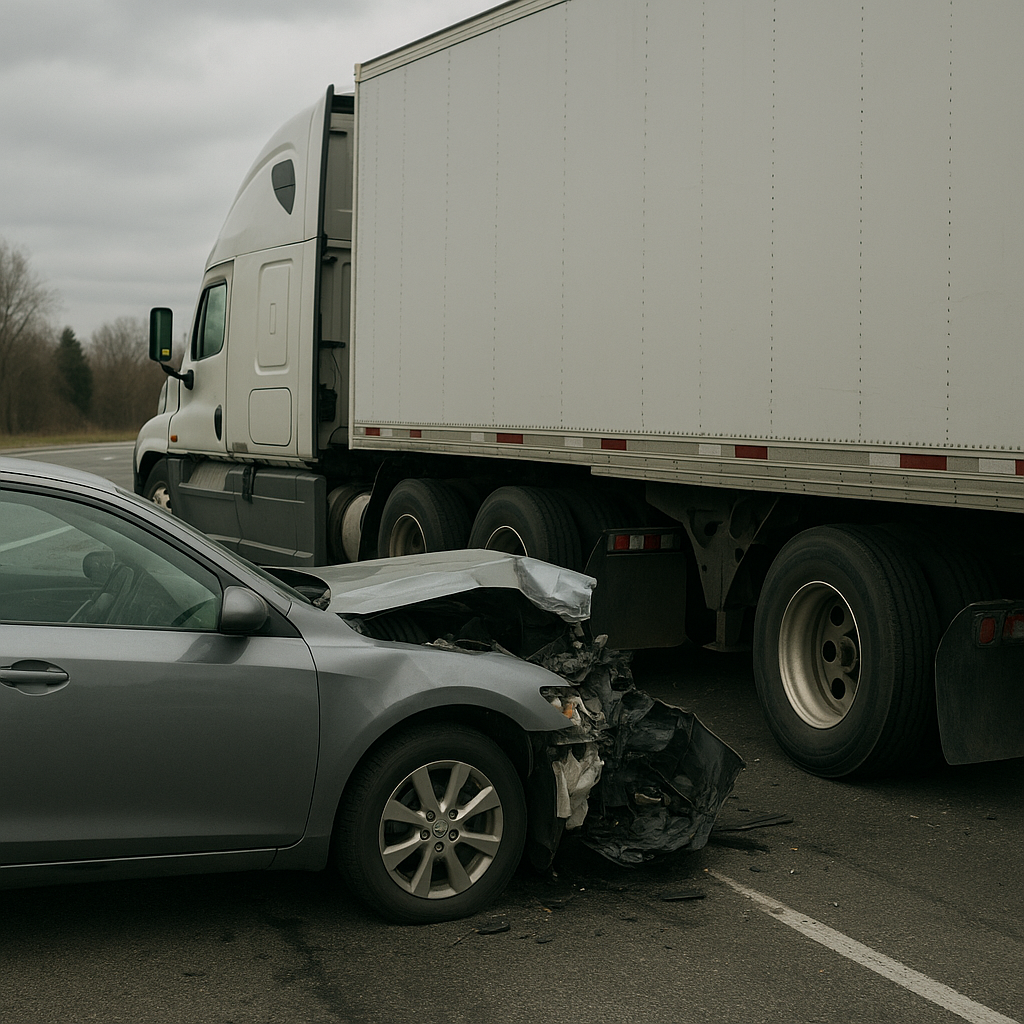
Emotional Exhaustion After Semi Truck Accidents
In the aftermath of a semi truck accident, physical injuries often demand immediate attention. However, the emotional impact can be just as profound, if not more so, and may persist long after visible wounds begin to heal. Emotional exhaustion is a common experience for many individuals involved in semi truck accidents, marked by ongoing feelings of fatigue, overwhelm, and depletion. By understanding the nature of emotional exhaustion after such traumatic events, individuals and their communities can approach recovery with patience, empathy, and insight.
Overview of Shock and Trauma After Truck Accidents
The suddenness and severity of semi truck accidents can make them uniquely distressing. Large vehicles create particularly intense and chaotic environments during a collision, setting the stage for a complex psychological response. Shock—a common initial reaction—can numb an individual’s immediate emotional response. Feelings may be delayed or seem strangely out of proportion. In the days, weeks, or even months following the event, trauma may become evident through persistent anxiety, trouble sleeping, irritability, or an inability to focus.
Trauma, in a psychological sense, refers to how the mind responds to an event perceived as threatening or deeply disturbing. In the context of a semi truck accident, trauma might stem from the overwhelming loudness, the abruptness of the incident, or the fear for one’s life or the safety of others. While every experience is unique, these reactions are common and represent the mind’s attempt to make sense of an extraordinary event.
Why the Body and Mind React This Way
Traumatic experiences such as semi truck accidents trigger the body’s natural survival mechanisms. When facing danger, the body enters a state known as “fight, flight, or freeze.” This involves the rapid release of stress hormones, such as adrenaline and cortisol, which sharpen the senses, suppress non-essential bodily functions, and prepare a person to act quickly.
While these reactions serve an important purpose during an immediate crisis, their effects can linger. Emotional exhaustion can arise as the nervous system struggles to return to a normal baseline. The process of processing intense fear, confusion, or sadness consumes significant mental and physical energy, which can leave individuals feeling persistently drained.
For some, the emotional aftermath is compounded by circumstances following the accident, such as ongoing pain, disruptions to daily life, or changes in work and family roles. These layers of stress can prevent the mind and body from fully recovering, prolonging feelings of exhaustion and overwhelm.
Common Reactions People Experience
Emotional exhaustion after a semi truck accident can manifest in a variety of ways. Many individuals notice an ongoing sense of tiredness that goes beyond typical fatigue. This exhaustion can stem from psychological overload, where emotions are so intense or persistent that they leave the person feeling depleted.
Common reactions include:
– Persistent anxiety: Worrying about what happened, what could have happened, or fear about getting back on the road.
– Difficulty sleeping: Trouble falling asleep, staying asleep, or experiencing recurring nightmares.
– Irritability or mood swings: Feeling more easily frustrated or emotionally raw.
– Detachment or numbness: Struggling to connect emotionally with others or feeling distant from daily activities.
– Trouble concentrating: Difficulty focusing on work, conversations, or tasks that once felt routine.
– Feelings of hopelessness or sadness: Experiencing ongoing low mood that interferes with everyday life.
– Physical symptoms: Headaches, muscle tension, and changes in appetite, which can all be connected to emotional stress.
It is important to note that a wide range of reactions can be considered normal in the aftermath of a traumatic event. Emotional responses may come and go, fluctuate in intensity, and express themselves differently depending on personal and situational factors.
How These Reactions Can Change Over Time
The trajectory of emotional exhaustion after a semi truck accident is not linear, and recovery can look different for each individual. In the immediate days and weeks following the accident, shock and acute stress may dominate, with the mind and body working in overdrive to process what has occurred. During this time, emotional and physical symptoms are often most pronounced.
As time passes, some people find that their symptoms gradually diminish. Day-to-day routines and familiar environments may gradually help the nervous system relax and recover a sense of safety. Others, however, may find their symptoms persist or change form, moving from high anxiety or panic to feelings of emptiness or persistent fatigue.
In some cases, reminders of the accident—such as driving past the scene, hearing certain sounds, or discussing the event—can trigger renewed stress or exhaustion, even months later. This is a typical part of how the mind processes overwhelming experiences and may resolve gradually, especially as coping strategies develop or support is found.
It is also common for emotional exhaustion to interact with other life stressors. For example, managing insurance claims, vehicle repairs, or time off work can add new pressures, complicating recovery. Over time, how an individual responds can shift as internal and external circumstances change.
Closing Reassurance
Emotional exhaustion after a semi truck accident is a valid and understandable response to a deeply stressful event. The symptoms and changes you may experience are not a sign of personal weakness, but rather, indicators of how the human mind and body respond to significant adversity. Many people find that their reactions evolve as they process what happened and adjust to changes in daily life. While each journey is unique, understanding that these feelings are common can be a small source of comfort. Respecting your own pace and giving yourself patience during recovery forms a compassionate foundation for eventual healing.