
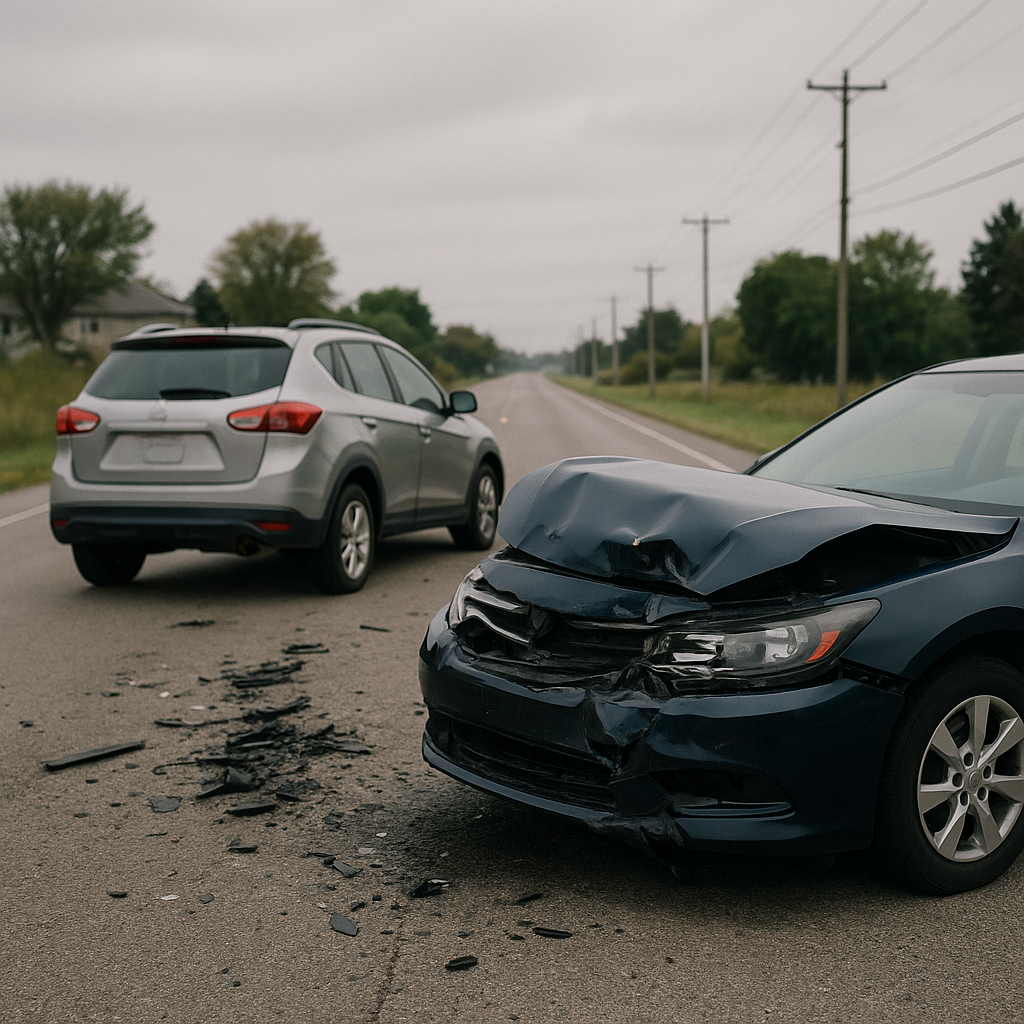
Why do I feel emotionally exhausted after the accident
Why this question is common after severe accidents
Many people find themselves asking, “Why do I feel emotionally exhausted after the accident?” It’s a common concern and a natural response in the aftermath of a significant event. Severe accidents are often unexpected, sudden, and disruptive. These incidents can have a profound effect not only on the body, but also on the mind and emotions. People who have never experienced intense trauma before may be especially surprised by the sheer depth of tiredness and emotional drain they feel.
For some, the emotional exhaustion might set in immediately, while others may notice it days or even weeks later. The overwhelming fatigue, sense of confusion, or sudden swings in mood can be puzzling. This question arises as individuals try to understand why their emotional reserves seem depleted and why simple daily tasks suddenly require much more effort.
Clear neutral explanation
Emotional exhaustion after an accident can be understood as the mind’s response to overwhelming or traumatic experiences. When the body experiences a severe accident, it typically triggers a surge of stress hormones such as adrenaline and cortisol. The body’s complex stress response system is designed to help humans respond to immediate threats—preparing them to react quickly, focus intensely, and protect themselves. This state is often referred to as “fight or flight.”
Once the immediate danger has passed, the body begins to come down from this heightened state. It can take time for the body and mind to process what happened. During this period, people often feel drained, both physically and emotionally. The mind might repeatedly replay the accident, trying to make sense of it, or imagining different outcomes. This mental processing can require significant energy, further contributing to emotional fatigue.
Moreover, severe accidents often disrupt a sense of normalcy and safety. Suddenly, the familiar routines and expectations of daily life are turned upside down. The brain works overtime to re-establish a feeling of security and predictability. The process of adjustment and adaptation to new circumstances or ongoing worries about recovery, medical appointments, insurance, or returning to work or normal activities can add to emotional exhaustion.
In summary, feeling emotionally exhausted after an accident is often a result of the body’s natural stress response, ongoing mental processing, and efforts to adapt to unexpected changes in life circumstances.
Helpful emotional context
Emotional exhaustion following an accident is not just the body’s reaction; it touches many layers of a person’s experience. Immediately after the event, there is often a sharp sense of fear, vulnerability, or shock as the reality sinks in. For some, feelings of sadness, anger, frustration, or helplessness may quickly emerge. Nightmares, flashbacks, changes in sleep or appetite, and difficulty concentrating can further deplete emotional energy.
It’s also common to experience complex emotions about the accident itself or its aftermath. These might include guilt (“Could I have done something differently?”), frustration with pain or physical limitations, or worry about financial and practical consequences. Even positive outcomes—such as surviving an accident unharmed—may bring unexpected emotional reactions, including relief mixed with anxiety or self-doubt.
Recognizing these emotional responses as natural and valid is an important part of understanding the exhaustion that follows. It is a reflection of the mind and body working together to process and adapt to something significant and often life-changing.
Common misconceptions
Misunderstandings about why people feel emotionally exhausted after an accident are frequent. One misconception is the belief that emotional exhaustion only occurs in particularly “serious” accidents. In reality, the way someone processes an event is highly personal. An accident that seems minor to one person may deeply affect another, particularly if it triggers past experiences or personal vulnerabilities.
Another common myth is that emotional exhaustion is a sign of weakness or “not coping well.” In fact, emotional fatigue is a standard human response to stress and trauma. It is not an indicator of a person’s overall strength or resilience. The mind and body require time to recover from major disruptions, no matter how strong the individual.
A further misconception is that emotional responses should resolve quickly, or that people can simply “snap out of” their emotional exhaustion. Emotional recovery, much like physical recovery, often proceeds in unpredictable or uneven patterns. Some days may feel better, while others may bring a resurgence of tiredness and distress. This ebb and flow are a normal part of coming to terms with a significant event.
Closing paragraph
Experiencing emotional exhaustion after an accident is a natural human response to an overwhelming event. This feeling reflects the body’s stress response, the mind’s ongoing efforts to process and adapt, and a broader emotional journey in re-establishing safety and normalcy. While the depth and duration of emotional tiredness can be surprising, it is a common and valid part of recovery from severe accidents. Understanding the reasons behind this emotional state can foster greater self-compassion and patience during a challenging time.