
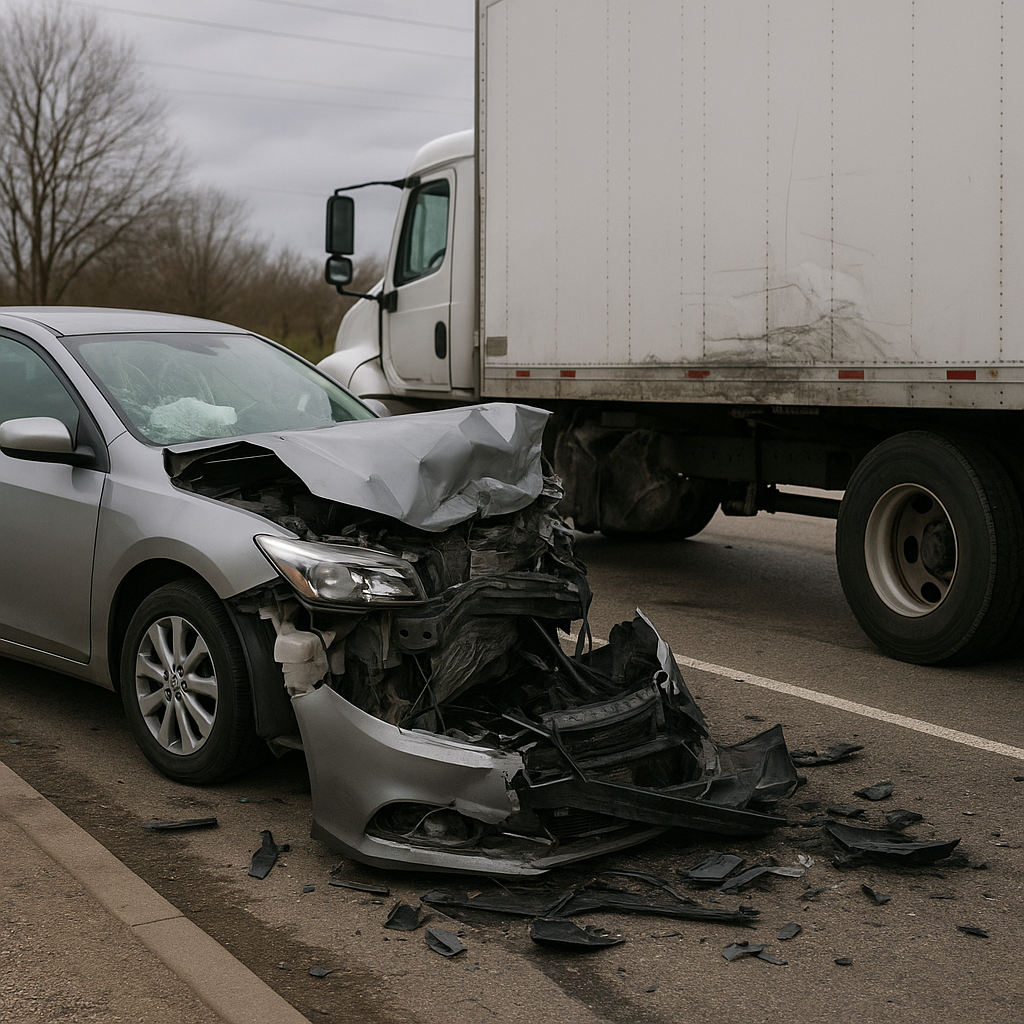
Understanding Fight Flight Freeze After Truck Accidents
When individuals experience or witness truck accidents, they can go through a range of physical and emotional responses. Among these, the “fight-flight-freeze” reaction stands out as a fundamental instinctual response that can be unsettling, unfamiliar, and confusing. This article provides an educational look at what the fight-flight-freeze response is, why it occurs after truck accidents, what common reactions may follow, and how these experiences may evolve with time.
Overview of Shock and Trauma After Truck Accidents
Truck accidents are unique in their impact. The sheer size and force involved mean that even minor collisions can be startling or traumatic. In the aftermath, people may feel a strong sense of shock. This shock is not just emotional: it is a blend of physical, psychological, and neurological responses all designed to help the body and mind handle sudden, unexpected events.
Trauma following a truck accident can present itself in many ways. Some individuals find themselves reliving the moments immediately before, during, or after the accident. Others may feel distant or disconnected, as if watching events happen from afar rather than experiencing them firsthand. It is important to understand that these reactions, although distressing, are natural and part of a complex system the body uses to protect itself during times of extreme duress.
Why the Body and Mind React This Way
The “fight-flight-freeze” response is an ancient survival mechanism deeply embedded in human biology. This instinct is triggered when we perceive danger—the kind of danger that, in nature, might have meant life or death. For the brain, the sudden threat posed by a truck accident can easily activate these mechanisms.
– Fight: The “fight” response involves becoming aggressive or confrontational, either outwardly or internally, as a way to protect oneself from danger.
– Flight: The “flight” response drives a person to escape, run away, or avoid the threat, prioritizing survival by distance.
– Freeze: The “freeze” response might lead to feeling numb, stuck, or unable to move or speak—a momentary pause which, in ancient human history, could have helped a person avoid being noticed by a predator.
After a truck accident, these responses may not always manifest in obvious ways. The mind and body are reacting to perceived threats, even after immediate physical danger has passed.
Common Reactions People Experience
After truck accidents, individuals may notice a series of reactions that are rooted in the fight-flight-freeze response. These might include:
– Physical sensation changes: Heart rate increases, breathing may become shallow or rapid, muscles might tense, or hands may feel cold or shaky.
– Emotional changes: Feelings of shock, disbelief, irritability, anger, sadness, or numbness can occur. Some people report feeling detached from the event or from themselves.
– Thinking patterns: Some experience confusion, difficulty remembering details, or an inability to focus. Thoughts may race or become stuck on the crash.
– Behavioral responses: Restlessness, impulsive reactions, withdrawal from social situations, or avoidance of reminders of the accident are common.
– Decision making: In moments of acute stress, judgment may feel impaired or clouded.
Importantly, these are all natural stress responses. Each individual’s experience is unique, and there is no universal pattern or timeline for these reactions.
How These Reactions Can Change Over Time
The immediate fight-flight-freeze response is typically short-lived, but its psychological effects sometimes last longer. Over time, many people find their bodies and minds begin to process the event in different ways.
– Short-term responses: In the days and weeks following the accident, feelings of shock, hyperalertness, or emotional numbness can come and go. Memories of the event may be particularly vivid or, in contrast, difficult to recall.
– Medium-term adjustment: As days pass, the intensity of the fight-flight-freeze response often decreases. Some people notice they start to regain control over their thoughts and emotions, while others may find intrusive memories or heightened alertness persist.
– Long-term outcomes: Most individuals gradually adjust and return to their typical patterns of functioning. In some cases, certain reminders of the accident (like seeing a truck) may cause temporary distress, but these reactions often soften with time.
There are situations, however, where the stress response does not subside. Persistent psychological responses, such as avoidance of roads or ongoing anxiety, can occur. These are a reflection of the body’s continued effort to manage perceived threats and are recognized as part of the larger spectrum of trauma responses.
Closing Reassurance Paragraph
Experiencing the fight-flight-freeze response after a truck accident is a well-understood part of the body’s way of protecting itself from harm. While these sensations and emotions can feel overwhelming and unusual, they are common human reactions to stress and trauma. It is natural for individuals to react in different ways, and the mind and body often find their own paths to understanding and processing such events. As time moves forward, most people find their responses change, further highlighting the resilient and adaptive nature of the human body and mind.