
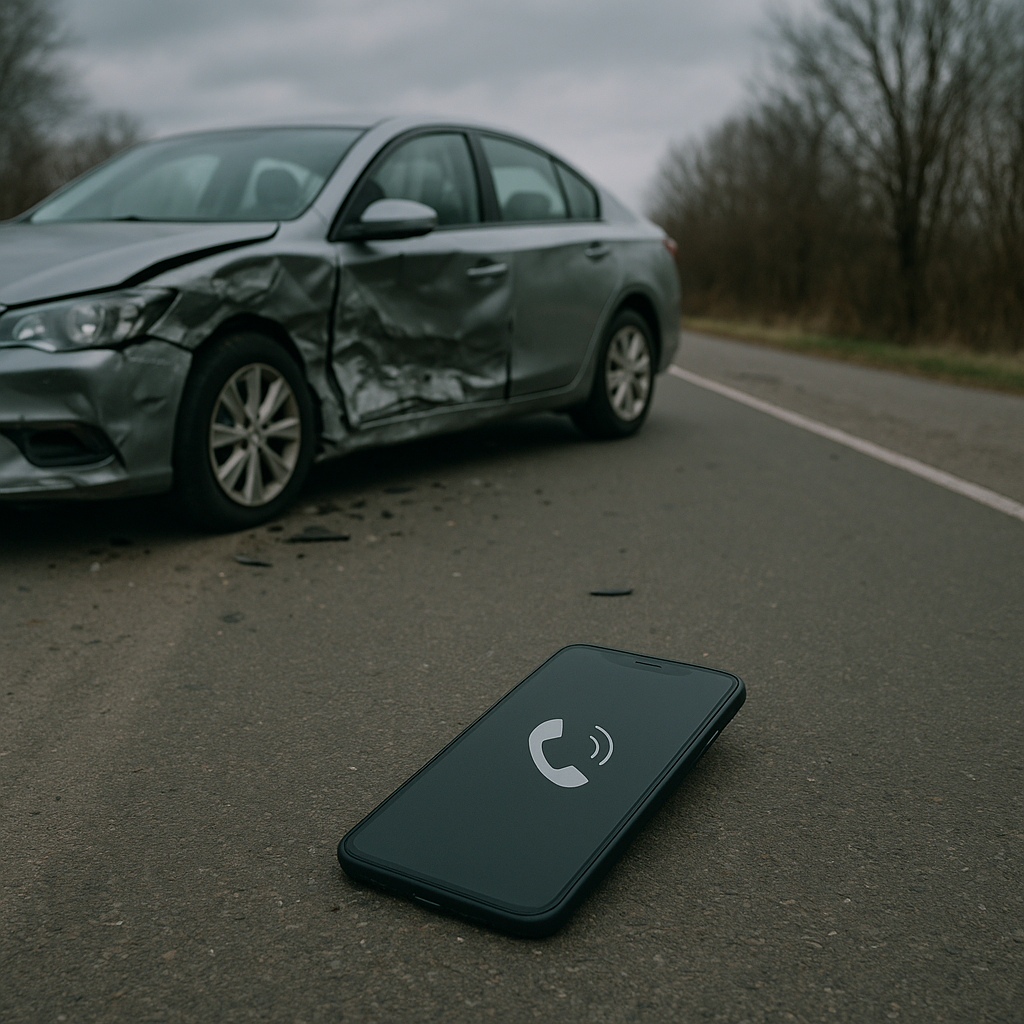
Feeling Overwhelmed by Phone Calls After Accidents
Overview of Shock and Trauma After Truck Accidents
In the immediate aftermath of a truck accident, individuals often experience intense waves of shock and trauma. The sheer suddenness of such an event can disrupt a person’s sense of normalcy, safety, and emotional stability. Even in situations where physical injuries might be minor or absent, the psychological impact can be profound. Among the many challenges people face in these moments, one common difficulty is feeling overwhelmed by the number of phone calls that follow the incident.
After an accident, phone calls may come from various sources: concerned friends and family members, insurance companies, medical professionals, or other involved parties. The intent behind these calls is usually to offer assistance, gather information, or provide necessary updates. However, for someone coping with the stress of an accident, this sudden increase in communication can quickly feel unmanageable.
This feeling—being “overwhelmed phone calls trauma”—is not unusual. It represents a natural response to crisis and is often compounded by emotional and physical stress, uncertainty, and the need to make rapid decisions during a time when mental clarity may be in short supply.
Why the Body and Mind React This Way
To understand why many people feel overwhelmed by phone calls after an accident, it’s helpful to consider how the body and mind respond to trauma. Accidents, especially those involving large vehicles like trucks, can be deeply shocking. During and after such events, the body’s stress response system is activated, flooding the system with hormones such as adrenaline and cortisol.
These chemical changes serve an evolutionary purpose: they prepare a person to react quickly to danger by enhancing alertness, suppressing non-essential functions, and narrowing focus on immediate threats. However, this “fight-or-flight” response can also have unintended side effects when it lingers after the immediate danger has passed.
When the phone begins to ring repeatedly in the hours and days following an accident, the mind may perceive each call as an additional demand on already scarce emotional resources. What might otherwise be a simple conversation can, in this context, feel like an insurmountable task. With every ring, the body may re-experience stress, even if the immediate threat has subsided. The ongoing barrage of communication can create a sense of being “wired but tired,” anxious, or even dissociated. This is not a sign of weakness; rather, it is an understandable reaction to an abnormal situation.
Common Reactions People Experience
In response to trauma and subsequent overwhelm, people may notice a variety of emotional, physical, and cognitive reactions. Here are some of the most common:
– Emotional Responses: Individuals often feel anxious, irritable, or tearful. Some may experience numbness or detachment from their surroundings. Others might feel guilt or confusion, or a heightened sense of vulnerability.
– Physical Symptoms: The body can manifest trauma through headaches, muscle tension, fatigue, rapid heartbeat, or stomach discomfort. Sleep disturbances are also common, as the mind attempts to process events.
– Cognitive Effects: Difficulties with concentration, memory lapses, or trouble making decisions can arise. Even simple tasks, such as answering the phone, can require greater effort than usual.
– Behavioral Changes: Some people may withdraw socially, avoid phone calls, or feel unable to participate in daily routines. Others may become excessively focused on details or attempt to regain control by organizing their environment.
The feeling of being “overwhelmed phone calls trauma” is often amplified by a combination of these responses. Each call may represent another reminder of the unsettling event, and the pressure to respond or articulate what happened can be particularly taxing in the early stages of recovery.
How These Reactions Can Change Over Time
In most cases, the body and mind will gradually adjust as the initial shock of the accident subsides. In the days following the incident, some people find that their emotional and physical symptoms begin to lessen as routines are re-established and the immediate demands decrease. The phone may ring less frequently, allowing for more quiet moments and opportunities to regroup.
However, it is also possible for reactions to persist or fluctuate over time. Periods of improvement may be interspersed with moments of renewed anxiety, especially if the person receives unexpected calls or reminders of the accident. Anniversaries of the event or ongoing conversations with involved parties might temporarily increase feelings of stress.
For some, it may take longer to feel comfortable with phone communication again, particularly if calls are associated with difficult news or the need to relive distressing details. Others may develop strategies for managing phone-related stress, such as letting calls go to voicemail or asking for support from trusted individuals to help filter and organize messages.
Patience with oneself is important during this period. Adjusting to the emotional aftermath of an accident—and the overwhelming phone calls trauma can bring—often follows a nonlinear path. Individual recovery experiences are as varied as the people who go through them.
Closing Reassurance Paragraph
Feeling overwhelmed by phone calls after a truck accident is a common and understandable experience. The human mind and body are attuned to react strongly after sudden, stressful events, and these responses can extend to aspects of daily life that once felt routine. As days pass and circumstances evolve, these overwhelming feelings often diminish or become easier to manage. Each person’s journey through recovery and readjustment is unique, and the reactions experienced are natural given the circumstances of a traumatic event. There is space for these feelings, and time often brings shifts in both emotional and practical responses.