
Why Do I Feel Anxious When Someone Else Drives?
Many people experience a feeling of anxiety when someone else is behind the wheel. It might start as a subtle discomfort, or even manifest physically as a racing heart, sweaty palms, or a gripping tension. The question, “Why do I feel anxious when someone else drives?” is both common and valid, and it touches on concerns around control, trust, and past experiences. This article explores the reasons behind this feeling, especially in the context of traumatic events, and offers a clear, compassionate understanding of the issue.
Why This Question Is Common After Severe Accidents
After experiencing or witnessing a severe car accident, everyday activities involving vehicles can become sources of intense emotional responses. Cars are often associated with routines—commuting, visiting family, or simply running errands—so the impact of an accident can echo long after the incident itself.
People who have been in traumatic accidents often face a heightened sense of vulnerability. When someone else drives, memories of the unpredictability and sense of helplessness during the accident can resurface. The mind tends to replay images, sounds, or feelings from the past event, connecting current situations with past traumatic experiences. This process is a natural response as the brain tries to protect itself from harm by remaining hyper-alert to potential dangers.
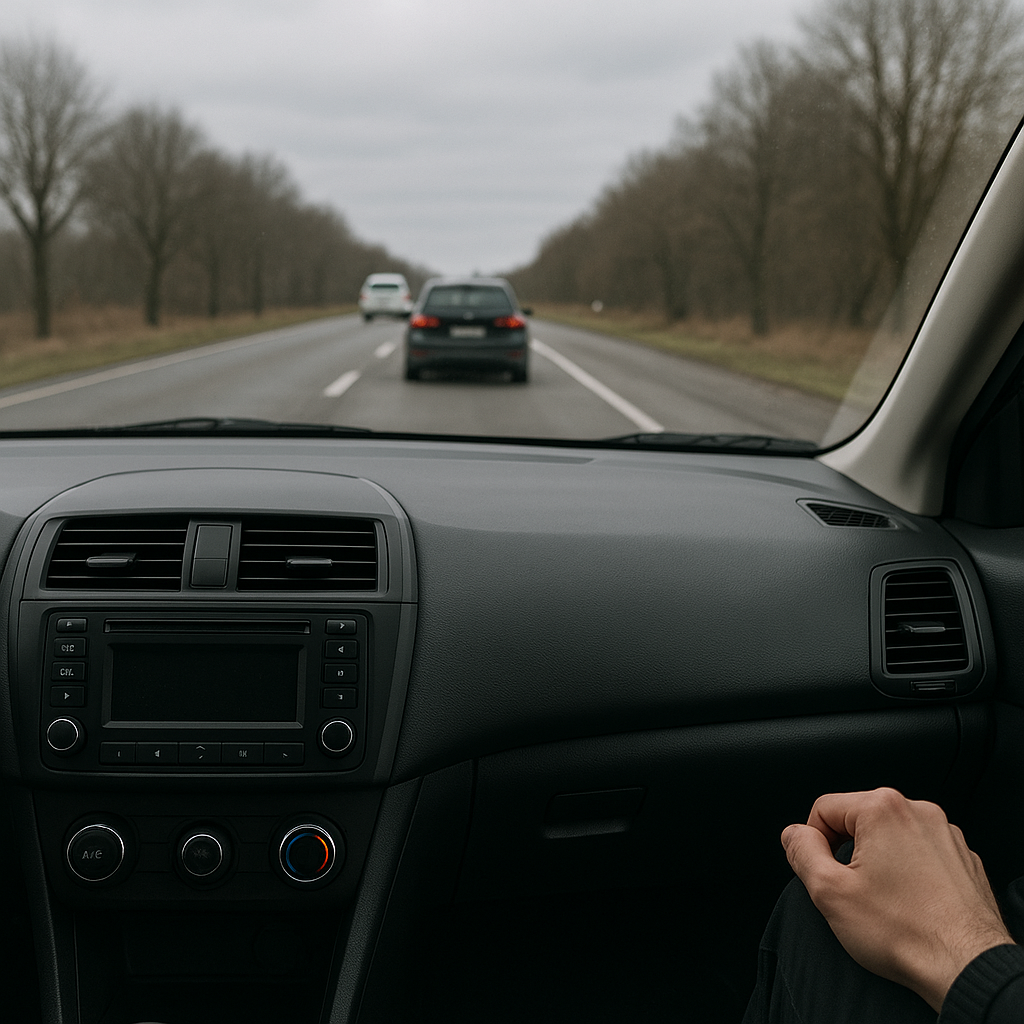
It’s common to question the behavior and decisions of another driver when past trauma has made trust and a sense of safety much harder to find. For many, this question arises specifically because being in a passenger seat closely mirrors the experience of having no control during an accident, thereby intensifying feelings of anxiety.
Clear Neutral Explanation
Feeling anxious when someone else is in control of the vehicle is not unusual. Driving involves exposure to potential risks, and as a passenger, there is limited ability to influence the situation. During driving, numerous variables are in play: road conditions, the attention of other drivers, unpredictable events, and the driver’s own behavior and decision-making.
Anxiety can arise from several neutral, understandable sources:
1. Loss of Control: When driving, a person feels more in command of their safety. As a passenger, the direct influence over speed, distance from other vehicles, or how suddenly brakes are applied is gone. This lack of control may cause discomfort, leading to anxious thoughts or physiological stress responses.
2. Trust Issues: Trust is a foundational element of feeling safe in a car. If trust in the driver’s abilities, judgment, or alertness is compromised—perhaps due to knowing the driver’s habits or simply not being familiar with them—unsettling feelings can occur.
3. Past Experiences: Even subtle or forgotten experiences may inform one’s emotional state in the passenger seat. Previous close calls, hearing about accidents in the news, or cautionary stories from friends and family can all contribute to passenger anxiety, regardless of whether one has experienced a serious accident themselves.
These explanations do not signify something is “wrong” or that the feeling is out of the ordinary; instead, they point to natural psychological responses to perceived risks.
Helpful Emotional Context
Understanding the emotional underpinnings of passenger anxiety can bring clarity. For many, being a passenger stirs a complex mix of vulnerability and responsibility. Emotions may include worry for one’s own safety or concern for others in the car. It is common to feel frustration or embarrassment about the inability to soothe these anxious responses, especially in group settings or when others seem unaffected.
Sometimes, anxiety is accompanied by self-criticism: “Why can’t I just relax like everyone else?” It is important to acknowledge that emotional responses are seldom conscious choices—they are often protective mechanisms developed over time, influenced by personal history and emotional wiring.
For those with a history of trauma, the emotions attached to traveling as a passenger may be particularly intense. These reactions can include hypervigilance, sudden fear, and startle responses when another car brakes or changes lanes abruptly. It’s typical for people in this situation to scan the road, “backseat drive,” or offer unsolicited advice; these are ways of seeking to restore a sense of control.
Common Misconceptions
There are several misunderstandings about being anxious when someone else drives:
– “It means I don’t trust my loved ones.” Anxiety in the passenger seat is not always a reflection of distrust in the driver’s skills or intentions. It can stem from a general discomfort with relinquishing control or from past experiences that have heightened one’s sensitivity.
– “There’s something wrong with me for feeling this way.” This is a widespread misconception. In reality, passenger anxiety is a common experience, especially in a culture where driving is a routine but inherently risky activity.
– “I have to just get over it.” The feeling is not always subject to willpower or positive thinking. The mind and body may respond to perceived threats with anxiety automatically, regardless of one’s conscious preferences.
Closing Paragraph
Feeling anxious when someone else drives is broadly experienced and deeply rooted in human psychology. It can arise from the loss of control, concerns about trust, or memories of past incidents. These feelings are normal responses to real or perceived risks, especially following a significant accident. By understanding the emotional and psychological dynamics involved, it becomes clear that anxiety in the passenger seat is neither a personal failing nor an irrational fear, but a reflection of how people navigate safety, control, and trust in a fast-moving, unpredictable environment.