
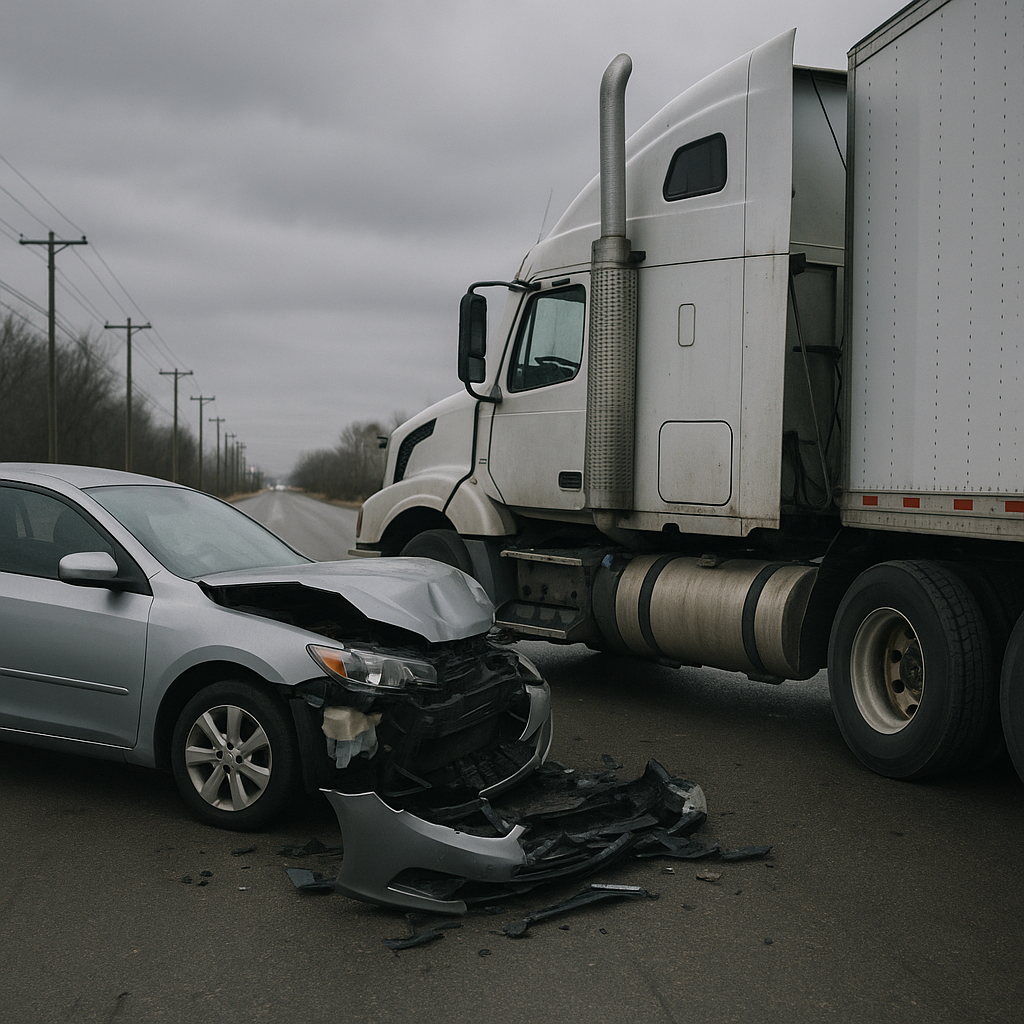
Feeling Guilty After a Semi Truck Accident
Semi truck accidents can be life-altering events. Beyond the physical aftermath, it is not uncommon for people to experience an overwhelming mix of emotions—including a deep sense of guilt. Whether you were behind the wheel, a passenger, or another motorist involved in the crash, guilt after a semi truck accident is a frequent and complex response. Understanding these emotional reactions and how they unfold over time can be an important aspect of personal healing.
Overview of Shock and Trauma After Truck Accidents
The immediate aftermath of a semi truck accident can be emotionally disorienting. Accidents involving large vehicles are often sudden and severe, causing not just physical injuries but also psychological trauma. Shock is a normal response as your mind and body attempt to process the event. This state can manifest in different ways—from numbness, confusion, and disbelief, to heightened vigilance and anxiety.
Trauma after such incidents is common, as the event may challenge your sense of safety or control. The emotional impact doesn’t always appear right away; some may feel calm or detached initially, only to find waves of emotion—including guilt—arising later.
Why the Body and Mind React This Way
Humans are hardwired to react strongly to events that threaten safety. When involved in a high-impact incident like a semi truck accident, both physical and psychological defense mechanisms are activated. This is essentially the body’s way of coping with potential danger, pain, or loss.
Guilt often emerges as part of this coping process. Even if the accident was truly outside your control, the mind might search for answers or assign responsibility, hoping to make sense of what happened. This internal dialogue can amplify feelings of responsibility or self-blame, even in situations where blame is misplaced or shared.
Common Reactions People Experience
Every person’s experience is unique, but there are several common emotional and psychological reactions that can occur after a semi truck accident:
– Guilt: Many people ask themselves if they could have done something differently to prevent the accident. They may replay events repeatedly, focusing on perceived mistakes or oversights, regardless of their actual impact on the outcome.
– Shame: Some individuals feel embarrassed about their involvement, concerned about what others will think or how they will be judged.
– Fear and Anxiety: Fear of driving again, or anxiety about getting back on the road, can develop. Some may fixate on minor risks, or feel restless and on edge.
– Sadness and Grief: There may be grief related to injuries, damages, or simply the loss of a sense of safety.
– Anger: It’s also common to feel anger—at oneself, at circumstances, at other parties involved, or even at the unpredictability of life.
– Avoidance: Some may begin to avoid discussing the incident or being in situations reminiscent of the accident.
How These Reactions Can Change Over Time
The sensations and emotions experienced in the aftermath of a truck accident are not static. Initially, reactions may be intense and confusing. Over days and weeks, some individuals find that these feelings gradually subside as their mind comes to terms with the event and details become clearer in hindsight.
However, feelings of guilt can persist for longer periods, especially if the incident had serious consequences. Over time, some may come to understand that their guilt is disproportionate to their actual responsibility, while others might continue to struggle with self-blame. For some, these reactions can lessen as everyday routines resume and support from friends, family, or counselors is sought. Alternatively, for others, strong feelings such as guilt and anxiety can become more pronounced if left unaddressed.
It’s important to note that reactions can evolve unpredictably. Emotional triggers—such as certain sounds, images, or return visits to the site of the accident—can bring emotions to the surface, even months later. The overall trajectory of emotional recovery after a semi truck accident is different for everyone, shaped by personal resilience, support networks, and individual coping strategies.
Closing Reassurance Paragraph
Experiencing guilt and other difficult emotions after a semi truck accident is a very human response. While the journey through these feelings may take time, every individual processes such events in their own way. The mixture of thoughts and emotions that arise are part of a complex process as the mind works to make sense of an unexpected and disruptive experience. While these reactions can be unsettling, they do not last forever and may shift over time. What you are feeling is not uncommon, and these emotions, though difficult, are a part of the broader human response to traumatic events.