
Why Do I Feel Like My Body Is Betraying Me?
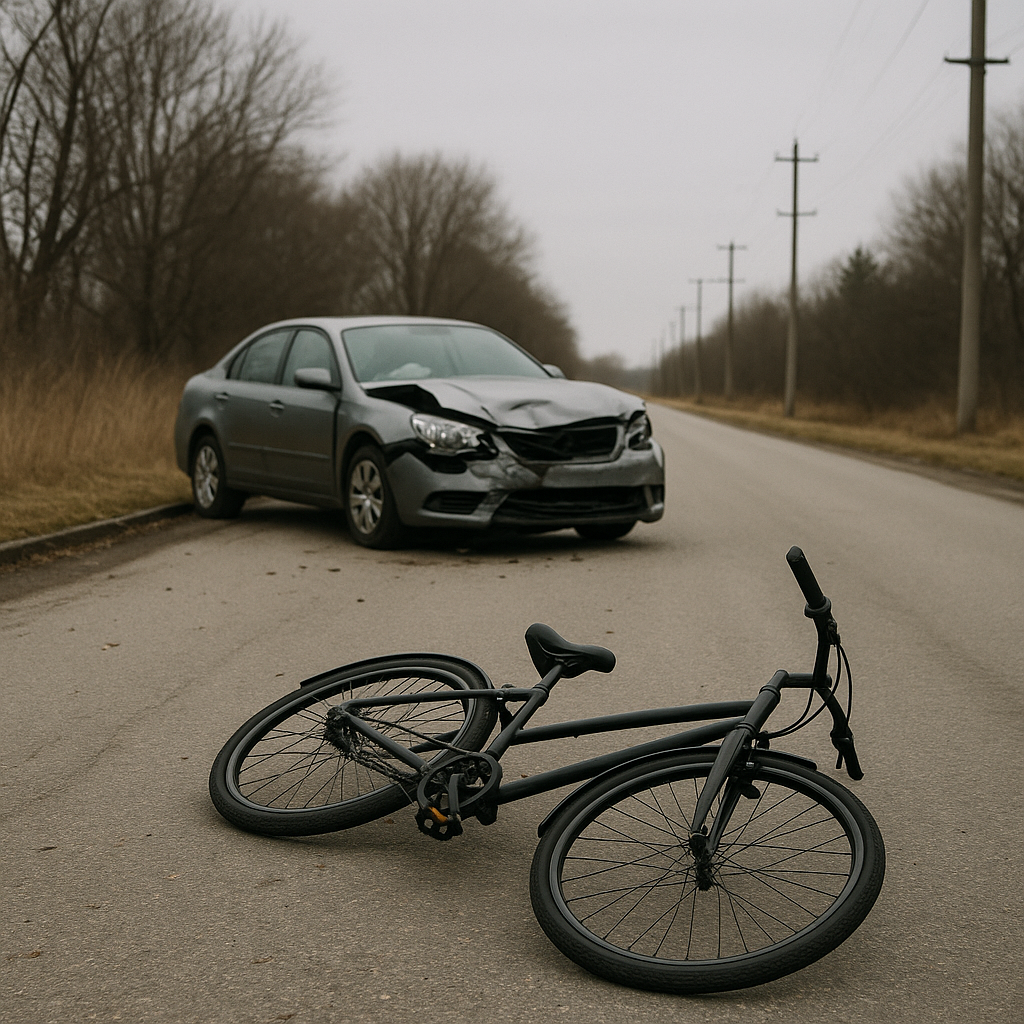
After a severe accident, it’s not uncommon for people to think, “Why do I feel like my body is betraying me?” This feeling can be distressing and confusing, especially when the body suddenly behaves in unfamiliar or unexpected ways. Physical injuries, lingering pain, loss of function, or even emotional responses can all contribute to this pervasive sense of being let down by one’s own body. Exploring the roots and realities of this experience can shed some light on why this question arises and what it truly means.
Why This Question Is Common After Severe Accidents
A severe accident can change daily life in an instant. Tasks that once required little thought—walking, dressing, lifting—may suddenly become challenging or impossible. The rapid shift from independence to dependence or from health to injury is disorienting. The body, once familiar and reliable, can suddenly feel like an unpredictable stranger. It’s normal for those recovering to wonder why their bodies seem to resist healing, why pain persists, or why movements remain difficult even after diligent rehabilitation. This often gives rise to the “body betraying me after accident” feeling.
Trauma doesn’t only create physical wounds; it can also shatter one’s sense of security in one’s own skin. For some, progress may be slow or setbacks might arise, intensifying the feeling that the body is not cooperating. This can be especially true if recovery isn’t meeting expectations set by medical professionals, or if comparison to others’ recoveries comes into play. In these moments of frustration, the question of betrayal naturally surfaces.
Clear Neutral Explanation
The feeling of bodily betrayal after an accident often arises from a mismatch between expectations and reality. The human body is incredibly complex, composed of interconnected systems designed to protect, adapt, and survive. When trauma or injury occurs, these systems initiate healing processes that prioritize survival over comfort, sometimes leading to pain, reduced mobility, or other changes.
Injuries can disrupt communication between the brain and body, affect nerves, or limit physical abilities. Healing may take longer than expected, or complications may delay progress. This disconnection between intent (“I want to walk”) and ability (“I can’t move my leg properly”) can create a profound sense of frustration; it feels as though the body and mind are at odds.
Sometimes, neurological or psychological responses also play a role. The body remembers trauma in ways that might manifest as pain, tension, or hypersensitivity even after visible wounds have healed. Emotional responses such as anger, sadness, or confusion are natural and can influence how someone perceives their body and recovery process.
Helpful Emotional Context
The sentiment of “my body is betraying me” is often rooted in emotional turmoil after trauma. An accident can change not only one’s body, but also one’s identity, sense of safety, and confidence in self-management. It’s common to grieve lost abilities or to mourn the loss of a former self. Feelings like anger, helplessness, sadness, or fear can be amplified by the ongoing experience of physical limitations or pain.
This emotional landscape is a normal part of processing trauma and sudden change. When the body no longer functions as it once did, it’s easy to feel vulnerable or out of control. These emotional responses don’t signal weakness or personal failure; instead, they are human reactions to loss and uncertainty.
Being patient with both one’s body and emotions is crucial. Each person’s recovery is unique, and the process often involves adapting to new realities. The questioning of the body’s reliability often signals a search for meaning and understanding rather than a literal accusation against the body itself.
Common Misconceptions
A variety of misconceptions can make the feeling of bodily betrayal more intense. One common misconception is that recovery is linear. In reality, healing often involves progress, setbacks, and plateaus. This non-linear process can be frustrating and may feel like further evidence that the body isn’t cooperating.
Another misconception is that pain or limitation equals failure—either of the body or the person. In truth, persistent symptoms don’t always reflect a lack of effort or willpower. The body’s healing processes are influenced by countless factors, many of which are beyond conscious control.
It’s also easy to believe that others recover faster or more completely. However, every body and every injury is different. Comparing one’s progress to others’ can intensify feelings of inadequacy or betrayal, even though such comparisons are rarely fair or accurate.
Closing Paragraph
Feeling like your body is betraying you after an accident is a shared human experience. The journey back to health—or to a new state of being—can test patience and emotional resilience. It’s natural to question why healing is slow, why abilities change, and why pain might linger. By understanding both the physical and emotional processes at work, this feeling can be seen not as a sign of weakness or failure, but as a meaningful part of responding to trauma. Over time, many discover new ways of relating to their bodies, building trust and acceptance despite the challenges of recovery.