
Daily Coping When Standing Causes Pain
Standing is a fundamental daily activity, often taken for granted—until it becomes painful. After severe accidents, such as truck collisions, individuals might find that standing even for brief periods triggers significant discomfort or pain. This challenge can shape nearly every aspect of daily life, impacting routines, mobility, and emotional well-being. Understanding coping systems for standing pain is critical for anyone experiencing this issue, especially during recovery.
Overview of Daily Coping Challenges After Severe Truck Accidents
Surviving a severe truck accident often leads to both visible and invisible injuries. Beyond immediate medical concerns, lasting musculoskeletal damage, nerve injuries, or joint issues can make even simple movements—from rising out of bed to standing at a counter—painful. For many, coping with standing pain becomes a daily reality.
After such trauma, pain associated with standing is rarely isolated. Flare-ups and varying pain levels are common and can be influenced by fatigue, stress, or random movements. People often face a layered recovery process—not just physical healing, but also adapting everyday activities and maintaining independence.
Significant lifestyle changes are rarely optional under these circumstances. Ordinary environments, such as the kitchen, bathroom, or even public transit, become fields of negotiation rather than ease. Understanding the scope of these challenges brings insight into the resilience needed during recovery.
Common Daily Difficulties
Many individuals recovering from severe injuries report similar daily difficulties when standing causes pain:
– Performing household tasks: Activities like cooking, cleaning, or laundry often require sustained standing or frequent repositioning, making them more arduous.
– Personal grooming: Showering, brushing teeth, and dressing can become prolonged or uncomfortable due to the need to stand.
– Workplace participation: Jobs requiring standing or movement can become inaccessible, leading to periods of rest or unexpected breaks.
– Shopping and errands: Standing in lines, browsing shelves, or carrying items imposes excessive strain.
– Social activities: Events that involve standing, such as gatherings or standing conversations, may become less enjoyable or even avoided.
– Mobility within the home: Simply moving around or transferring between rooms becomes a calculated effort, sometimes requiring pauses.
– Dependence on others: Asking for help with routine tasks can affect self-esteem and emotional health.
– Difficulty with balance: Severe pain can disrupt balance, raising concerns about falls or further injury.
– Fatigue: Chronic pain drains energy, making even necessary tasks harder to sustain.
Practical Coping Systems People Often Use
Coping with standing pain is highly individualized, shaped by injury type, pain severity, and available resources. Over time, people often develop routines and systems to navigate their days. These are not universal solutions but rather adaptive strategies observed among those in recovery:
– Scheduled rest and movement: Many individuals arrange their activities around rest intervals, alternating between periods of sitting and necessary standing.
– Environmental adjustments: Homes and workspaces might be adapted with accessible seating, supportive surfaces, or reorganized layouts to minimize unnecessary standing.
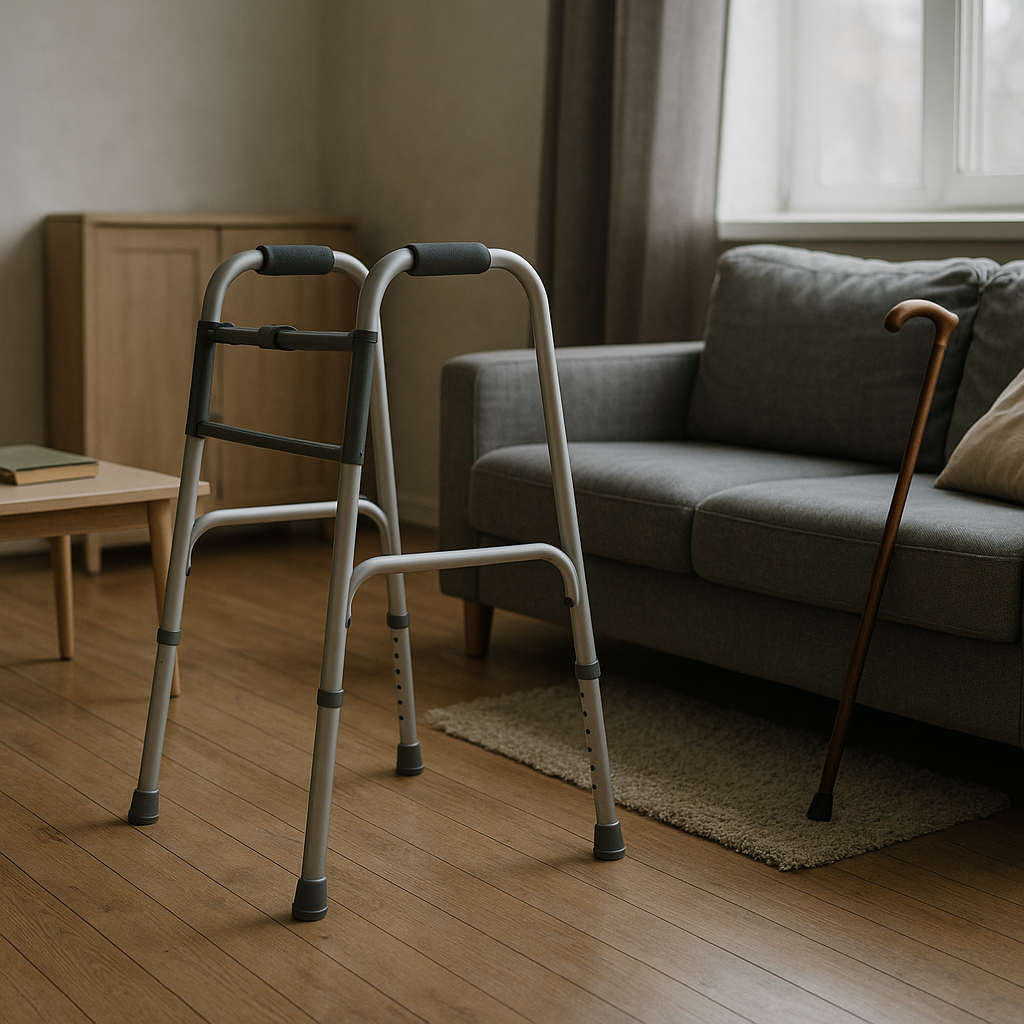
– Assistive devices: Use of canes, walkers, high stools, or specialized footwear is common to provide stability and support.
– Task adaptation: Everyday actions, like meal preparation or grooming, are often broken into smaller steps or approached with tools designed for ergonomic support.
– Mindful pacing: Activities are spread throughout the day to avoid back-to-back tasks requiring prolonged standing.
– Distraction or engagement techniques: Mental engagement through music, conversation, or television can help shift focus during moments of necessary standing.
– Support from others: Accepting help with shopping, cleaning, or navigating stairs can make daily requirements more manageable.
– Emerging routines: Patterns develop over time; for example, preparing breakfast while seated or planning outings when pain is typically less severe.
How Coping Improves Gradually Over Time
One of the most hopeful aspects of coping standing pain recovery is its gradual improvement over time. Fluctuations are part of this process, with good days and bad days woven into the broader tapestry of recovery. As individuals learn their pain triggers, they often become more proficient at predicting and managing their limitations.
Adaptation plays a central role. People generally become adept at mitigating standing pain by integrating new routines and supports into their daily lives. The body itself may also undergo subtle adjustments—muscles and other tissues might slowly strengthen, endurance might build, and overall pain sensitivity can sometimes decrease with time and treatment.
Emotional adaptation occurs alongside physical progress. Many individuals gain confidence as they learn the most effective ways to cope with pain, which, in turn, reduces anxiety and boosts motivation. Social circles may adapt too, with friends, family, and colleagues becoming more understanding and supportive of the individual’s needs and preferences.
Markers of improvement can be subtle. Some describe celebrating the ability to stand for a few extra minutes without pain, or to participate in a cherished activity after many months. Over time, coping systems become more seamless, requiring less conscious planning. Resilience, patience, and small milestones become central to the process.
Neutral Closing Paragraph
Ultimately, daily coping when standing causes pain is a multifaceted journey shaped by physical, emotional, and environmental factors. Observing the forces at play, and recognizing the methods people develop to adapt, reveals the persistent resilience found in recovery. Though challenges are significant, many individuals discover their own sustainable ways to navigate daily life, often finding gradual improvement and new sources of strength along the way.