
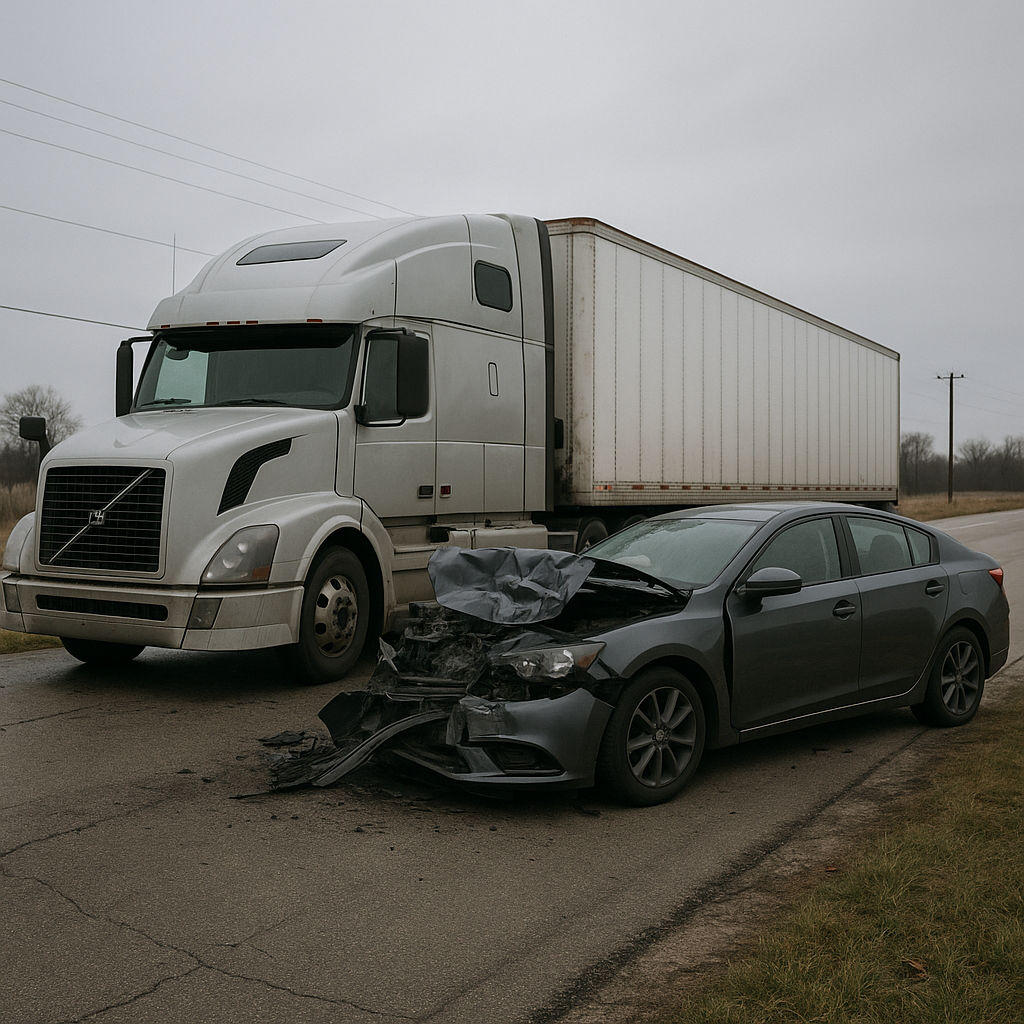
Why People Isolate After Semi Truck Accidents
Overview of Shock and Trauma After Truck Accidents
Experiencing a semi truck accident is a significant life event that often leaves a lasting impact, both physically and emotionally. In the aftermath, many individuals find themselves withdrawing from friends, family, and everyday activities—a phenomenon known as isolation. Understanding isolation after a semi truck accident involves considering the immediate psychological reactions and the longer-term journey of processing the event.
Immediately following a truck accident, it is common for people to feel stunned, confused, and overwhelmed. These incidents can be particularly jarring due to their size, severity, and the sense of vulnerability they inspire. The initial shock and trauma are not only responses to the physical danger but also to the sudden upending of normal life. Even those who experience relatively minor physical injuries may find themselves coping with invisible wounds that affect their functioning and interactions.
The emotional aftermath—especially if unrecognized or misunderstood—can lead survivors to gradually step back from regular routines and personal relationships. While some degree of withdrawal may be a natural coping mechanism, reflecting a need for safety and time to process, prolonged or deepening isolation can become concerning if it interferes with recovery and quality of life.
Why the Body and Mind React This Way
Our reactions to traumatic events like semi truck accidents are deeply rooted in both biology and psychology. The human body has evolved survival mechanisms designed to protect us in dangerous situations—responses commonly referred to as “fight, flight, or freeze.” When a semi truck accident occurs, the body releases stress hormones such as adrenaline and cortisol, priming us to respond to immediate threats.
However, these survival responses do not always switch off once the immediate danger has passed. For many, the body remains in a heightened state of alert, even when physical safety has been restored. The mind, too, replays memories, sensations, and images of the event in an attempt to process what happened. This ongoing alertness can drain energy and contribute to feelings of exhaustion, fear, or emotional numbness.
Isolation after a semi truck accident often arises from a combination of these physical and mental reactions. When people feel emotionally raw or physically vulnerable, reaching out to others may seem overwhelming. Seeking solitude can also feel safer, as it reduces exposure to the unpredictable elements of daily life or well-intentioned but difficult conversations.
Common Reactions People Experience
Each person responds to trauma differently, but certain reactions are frequently reported after semi truck accidents. Understanding these common responses helps to clarify why isolation occurs:
– Hypervigilance: A sense of constant alertness or the feeling that danger could return at any moment often leads people to avoid situations or environments that remind them of the accident.
– Intrusive Thoughts: Unwanted memories, flashbacks, or nightmares may cause someone to retreat from activities or conversations that could trigger these distressing experiences.
– Emotional Numbness: Some people feel disconnected from their emotions or find it hard to experience joy, which can make socializing feel empty or pointless.
– Guilt or Shame: Even when not at fault, survivors might second-guess their actions or struggle with “what-if” thoughts, leading to embarrassment or reluctance to talk with others.
– Physical Symptoms: Persistent pain, fatigue, or sleep issues can limit a person’s energy, making it difficult to engage with others or maintain routines.
– Irritability or Mood Swings: Heightened emotions or changes in mood may create tension in relationships, prompting some to withdraw to avoid conflict.
– Avoidance: Avoiding driving, travel, or even talking about the accident are ways people try to prevent distress, which sometimes extends to keeping distance from others as well.
How These Reactions Can Change Over Time
Isolation after a semi truck accident typically shifts as time passes, and the arc of these changes varies between individuals. In the initial days or weeks, withdrawal may be most intense as the mind and body attempt to make sense of what occurred. Over time, certain reactions may diminish, while others persist or evolve.
For some, gradual reintegration into regular activities and relationships happens naturally as the intensity of stress responses lessens. For others, reminders of the accident may continue to trigger discomfort, making the process slower. Emotional healing can be unpredictable, with ups and downs influenced by external stressors, anniversaries of the accident, or ongoing health concerns.
It is also possible for isolation to deepen if individuals feel misunderstood or unsupported, or if distressing symptoms do not subside. Experiences such as continued avoidance, frequent flashbacks, or persistent mood changes can further disrupt relationships and routines, complicating recovery.
However, new coping strategies sometimes emerge as people adapt and find ways to manage their experiences. Over time, many discover small steps toward reconnection that feel manageable, such as spending brief periods with trusted individuals or engaging in low-pressure social activities.
Closing Reassurance Paragraph
For those experiencing isolation after a semi truck accident, it is important to recognize that withdrawal is a common response to trauma. These reactions, though often distressing, are rooted in the body’s attempt to regain equilibrium and ensure safety. The journey through shock, trauma, and recovery is different for everyone, and responses may fluctuate over time. Understanding why these patterns occur can offer a sense of clarity, and with patience, many individuals find their own ways to reconnect with life at a pace that feels right for them.