
Why Do I Feel Unsafe When Cars Brake Suddenly?
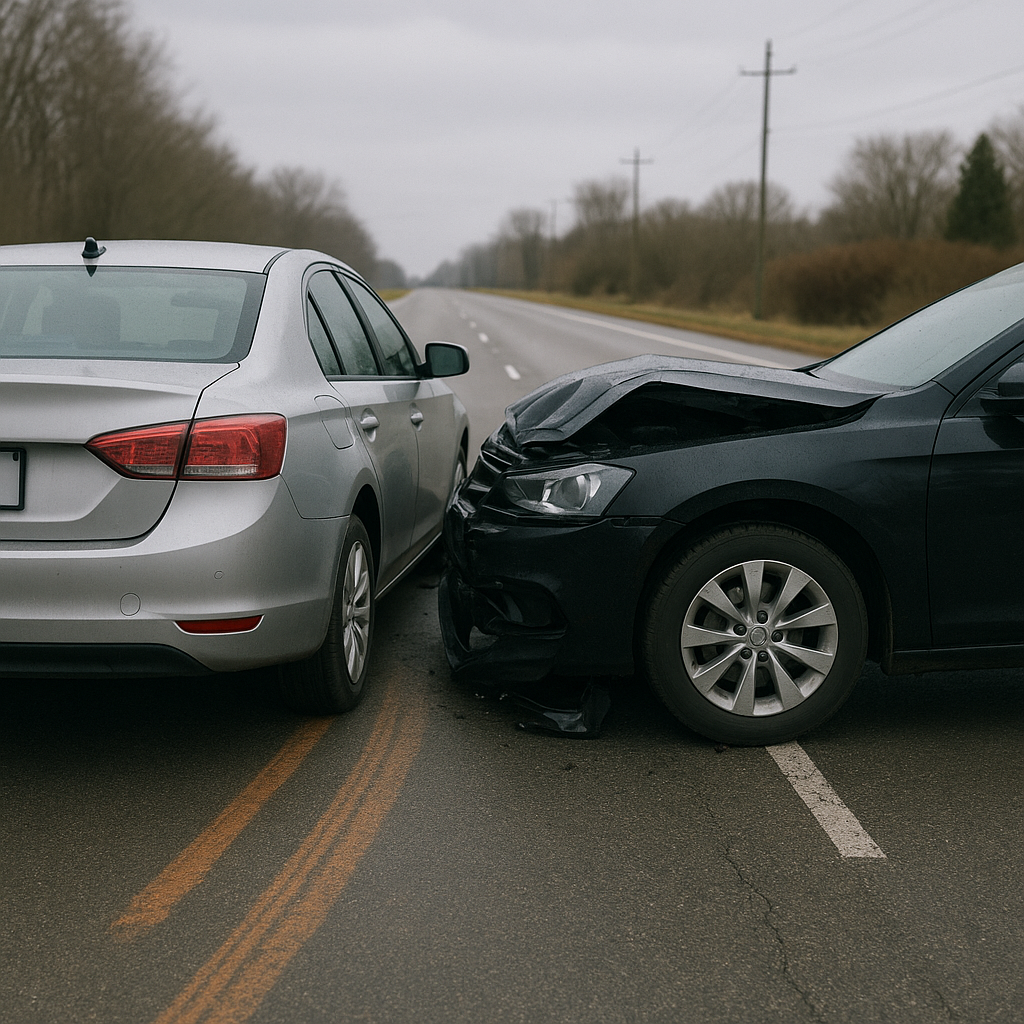
Sudden braking in cars, especially after experiencing or witnessing a severe accident, can evoke strong feelings of unsafety or anxiety. Many people find themselves reacting with tension, fear, or discomfort when their car, or another on the road, brakes quickly and without warning. Understanding why this reaction occurs is an important step toward recognizing the emotional and psychological aspects connected to traffic incidents and road safety.
Why This Question Is Common After Severe Accidents
For those who have been through a major crash, or have seen one firsthand, the question “Why do I feel unsafe when cars brake suddenly?” often arises as part of a wider pattern of emotional and physical responses. Sudden stops can serve as reminders of the frightening moments and sharp jolts experienced during the original accident.
In the aftermath of a serious car collision, drivers and passengers may find that their minds and bodies remain on alert for potential dangers. Even after injuries heal and vehicles are repaired, memories of the incident can linger. The abrupt deceleration of a car—signaled by the squeal of brakes or a sharp jolt forward—often brings back sensory memories from the accident. This can trigger feelings of unsafety, even if the present situation is under control.
This experience is not rare. Many individuals who have been involved in accidents report changes in their perception of risk on the road. Reactions can range from mild unease to strong fear, even when their conscious mind knows that the brakes are working as intended. It is a common part of post-accident life, and learning about why it occurs can help validate these completely normal reactions.
Clear Neutral Explanation
The sensation of feeling unsafe during sudden braking after a crash can be understood by looking at how the human mind and body process traumatic events. During a collision, the body’s stress response—commonly known as “fight, flight, or freeze”—is activated by adrenaline. This response prepares a person to react quickly to danger, increasing heart rate, heightening senses, and causing rapid shifts in awareness.
After a traumatic accident, the brain can begin to associate certain cues—like intense deceleration—with danger, even if there is no immediate threat. These cues are called “triggers.” When a car brakes suddenly, the physical sensations (like the jolt, the sound of squealing tires, or even the feeling of lurching forward in a seatbelt) can activate the same neurological pathways that were engaged during the original traumatic event.
This is an example of a conditioned response. In psychology, this means that the brain has formed a connection between a neutral event (sudden braking) and a stressful or dangerous one (a crash). Over time, the association may fade, or it may persist, depending on individual factors and the nature of the original event.
There is also an element of physiological memory involved. The body reacts to sudden movement in ways that are deeply rooted in human survival instincts. When a car brakes suddenly, the physical forces can cause a spike in alertness or anxiety, regardless of whether a real danger is present. This reaction is not a sign of weakness or lack of control, but a natural process designed to keep people safe.
Helpful Emotional Context
Feeling unsafe during abrupt stops is often accompanied by a range of emotions—fear, embarrassment, frustration, or even anger. These emotional reactions are influenced by the body’s stress response, but they are also shaped by the unique circumstances of each individual’s experience.
For some, the memory of past events comes back quickly and vividly during sudden braking. Others might simply notice a vague sense of unease, nervousness, or an urge to avoid driving altogether. These emotions might not always match the specifics of the situation. The brain’s intention isn’t to be logical in these moments; instead, it prioritizes self-preservation.
Many people find it difficult to discuss these feelings, especially if they seem out of proportion to what’s happening on the road. However, these emotional responses are a standard aspect of recovery after any traumatic event, including car accidents. They can arise on their own timetable, sometimes weeks or even months after the crash, and fluctuate in intensity depending on factors like stress, fatigue, or environmental triggers (such as weather or traffic conditions).
Common Misconceptions
A frequent misconception is that feeling unsafe during sudden braking is a sign of irrational fear or lack of confidence in one’s driving abilities. Some believe that only those with serious psychological issues experience these feelings, or that ignoring the sensation will make it go away. These beliefs can add unnecessary pressure or guilt to an already stressful situation.
Another misconception is that reliable cars or advanced braking systems should prevent discomfort altogether. While vehicle technology has undoubtedly improved safety, it cannot erase the emotional impact of a traumatic memory. The sensation of unsafety is not a reflection of the car’s quality but rather the body’s instinctive checks and balances.
Some might also believe they are alone in their experience. As a result, they might keep their feelings to themselves, worried they will be misunderstood or judged by others. In reality, a large number of drivers and passengers report heightened awareness or nervousness around sudden braking after a crash.
Closing Paragraph
In summary, feeling unsafe during sudden braking after a crash is a normal and understandable reaction, rooted in the body’s stress response and psychological conditioning. Both mind and body remember traumatic experiences, and those memories can be triggered by similar sensations on the road. While the feeling may be uncomfortable, it serves as a reminder of the complex relationship between safety, memory, and recovery. Ultimately, recognizing these reactions as natural can help foster a more compassionate understanding of oneself and others after a severe accident.