
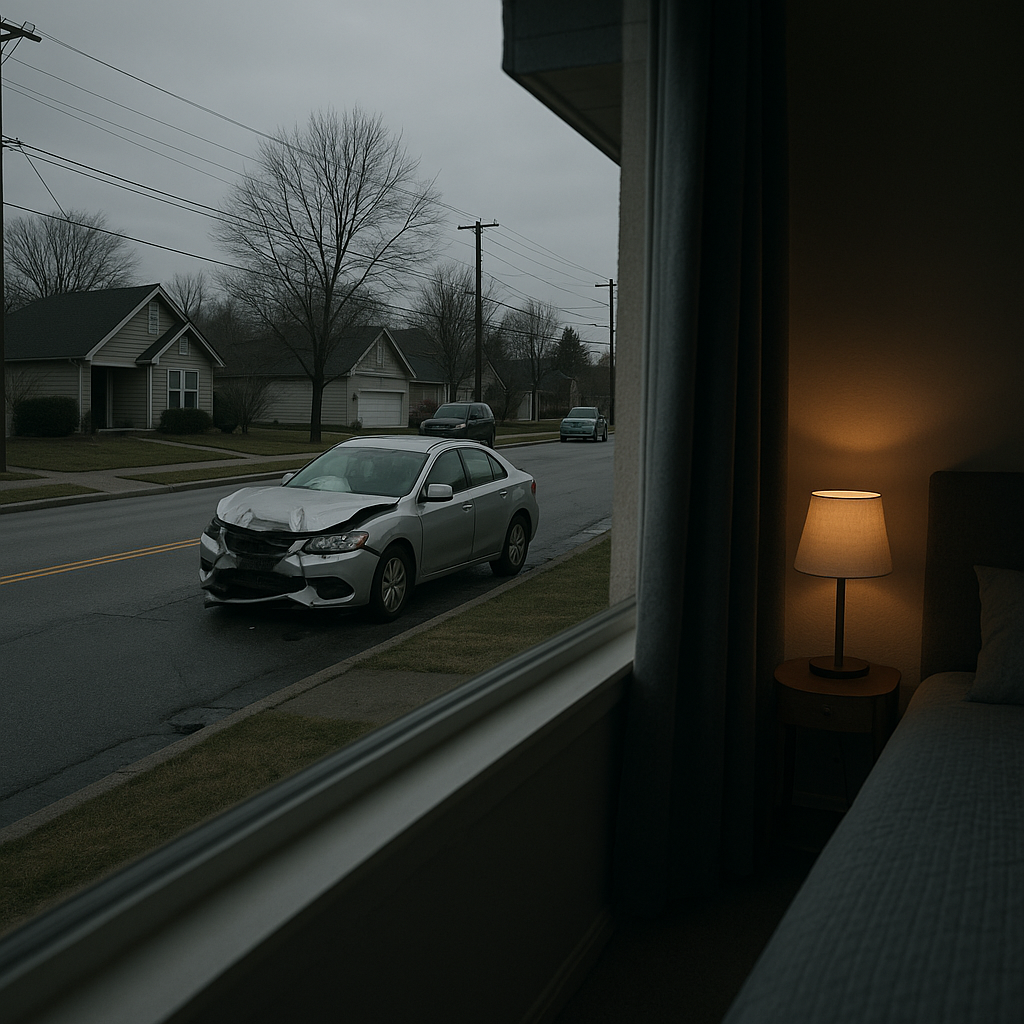
Why Do I Dread Bedtime After the Crash?
Why This Question Is Common After Severe Accidents
After experiencing a severe accident, many people find that their relationship with ordinary routines changes unexpectedly. Bedtime, once a neutral or even welcome part of the day, may instead become a source of apprehension or fear. The question, “Why do I dread bedtime after the crash?” is a common one for individuals processing the emotional and physical aftermath of a serious incident. This question arises not only from the shock of the event itself but also from the subtle ways trauma can transform daily experiences, especially those linked to rest and vulnerability.
Accidents, particularly those that are sudden or violent, can disrupt more than just physical health. They often introduce persistent feelings of unease or alertness that become most apparent when the world slows down at night. This shift in emotional landscape means it is not unusual for survivors or witnesses of traumatic events to find themselves struggling with dread as bedtime approaches.
Clear Neutral Explanation
The feeling of dread at bedtime after a crash is typically rooted in the body and mind’s response to trauma. When an individual undergoes a severe accident, the brain shifts into a heightened state of alertness. This response is an ancient survival mechanism, meant to protect against further danger by keeping the senses sharp and the mind vigilant.
As night falls and bedtime arrives, the body instinctively tries to relax and enter a state of rest. However, the mind can resist this transition when it still perceives a threat, real or imagined. The quiet and stillness of nighttime make it easier for unsettling memories or thoughts about the accident to surface. In this vulnerable state, flashbacks, intrusive memories, or even physical pain related to injuries can become more pronounced, triggering feelings of anxiety or fear.
Dreams or nightmares about the crash are also common, reinforcing an association between sleep and distress. This can rapidly create a cycle in which bedtime is automatically linked with difficult emotions, causing increasing dread with each passing night. Over time, the mind builds an expectation of discomfort, which persists even as immediate memories of the crash begin to fade.
Helpful Emotional Context
Emotional responses surrounding bedtime are often more intense because sleep requires a sense of safety. After a crash, the foundational feeling of security may be shaken. Lying down in darkness, disconnected from the activity and distraction of daytime, returns the mind to a place of vulnerability.
For many, bedtime can become a quiet confrontation with unprocessed emotions: fear, grief, anger, or confusion. The mind often tries to solve or make sense of what happened, replaying the circumstances of the crash or worrying about what might have been. This introspection can be uncomfortable, especially when it feels mandatory rather than chosen.
The body may react as well, producing physical symptoms such as a racing heartbeat, muscle tension, or difficulty breathing—responses that further confirm to the mind that bedtime is something to fear. Over time, this can lead to avoiding sleep altogether, making bedtime a source of ongoing anxiety instead of comfort.
Common Misconceptions
A frequent misconception is that fear of bedtime after a crash reflects weakness or an inability to “move on.” In reality, these feelings are common and often involuntary. The mind and body process trauma at their own pace, and survival instincts can linger long after the immediate danger has passed.
Another belief is that only individuals with severe injuries or those who witnessed something especially traumatic develop this reaction. However, the dread of bedtime can affect anyone involved in a crash, regardless of the accident’s details or physical consequences. Emotional processing does not always correlate directly with how outwardly severe the event appeared.
There’s also a tendency to think that time alone will eliminate these feelings. While time can help, the mind sometimes needs other forms of reassurance before it can let go of fear associated with sleep. The process is rarely as simple as just waiting for the feeling to disappear.
Closing Paragraph
The question “Why do I dread bedtime after the crash?” reveals a complex, deeply human response to trauma. While such feelings are unsettling, they are also a sign that the mind and body are working to make sense of what happened and to reclaim a sense of security. Understanding the roots of this dread—biological, emotional, and psychological—can make the experience less isolating. Recognizing that this struggle is common and not a reflection of personal weakness is an important step toward greater self-compassion as the process of recovery unfolds.