
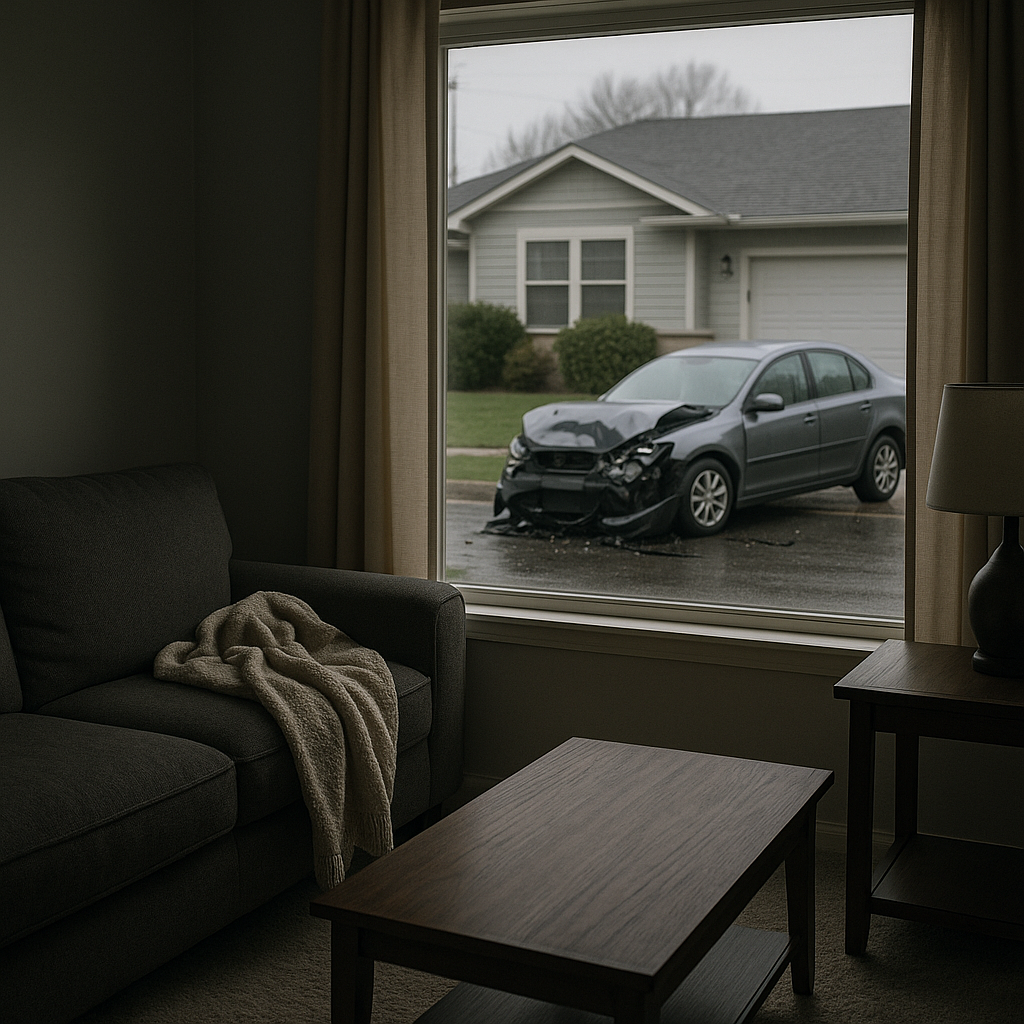
Why Do I Feel Unsafe Even at Home After the Crash?
Why This Question Is Common After Severe Accidents
For many people, experiencing a severe accident—whether it’s a car crash, a fall, or another traumatic event—can bring unexpected emotional aftermaths. Among these, asking “Why do I feel unsafe even at home after the crash?” is surprisingly common. This question arises because home is often associated with comfort, safety, and routine. When something profoundly disruptive occurs, like a crash, it can shake these core feelings and leave individuals questioning their sense of security even in the environments that once brought them the most peace.
After an accident, it is not uncommon to notice anxiety spikes, alertness to small noises, trouble sleeping, or an ongoing sense of vulnerability. People may find themselves scanning for danger, feeling tense in familiar rooms, or startled by situations that never used to bother them. This puzzling reaction creates a disconnect: logically, the home remains unchanged, yet emotionally it no longer provides the same refuge.
This question is especially widespread because the home, as a symbolic safe space, highlights just how deeply an accident can impact someone’s inner world. If the place meant to shield us no longer feels secure, it can prompt deeper questions about what safety really means and how it is rebuilt after trauma.
Clear Neutral Explanation
It is important to understand that feeling unsafe at home after a crash is a recognized and multi-layered response. When a severe accident occurs, the body and mind are thrust into survival mode. This state—often called the “fight, flight, or freeze” response—is a natural reaction to danger. In the days, weeks, or even months following a traumatic event, this heightened alertness can linger, even when the direct threat is no longer present. This is because the brain has been rewired, in part, by the intense stress of the crash.
After an accident, the brain seeks to prevent similar threats in the future. It becomes more vigilant and sensitive to any possibility of danger, sometimes even when there is no objective reason to be on guard. Because accidents are unpredictable by nature, they introduce a new understanding that serious harm can happen without warning. This realization can make any setting—including familiar and previously comforting ones—feel less controllable and less safe.
The phenomenon is not a sign of weakness or “overreacting” but a complex interplay of psychological and physiological responses. The stress hormones released during a crash can cause lasting effects, sometimes leading to symptoms related to acute stress or post-traumatic stress. These can include hypervigilance, intrusive memories, and a persistent sense of vulnerability. This mixture of neurological, emotional, and cognitive responses is at the root of feeling unsafe at home after an accident.
Helpful Emotional Context
Emotionally, the loss of safety can be experienced as more than just fear. There may be a profound sense of being unsettled, disconnected, or unable to relax—even in places that once brought joy and comfort. This response can sometimes be accompanied by frustration or sadness, as individuals remember what their sense of normalcy used to be.
For many, the accident blurs the boundaries between safe and unsafe spaces. The mind may replay the event or focus on worst-case scenarios, making it difficult to trust that harm is unlikely to happen again, especially when alone or at night. These emotions are compounded by the possibility of physical reminders of the crash, such as injuries or changes in daily routines, which reinforce the perception of being under threat.
Validating these feelings is crucial. What is experienced is not “just in the head” or a sign of failing to cope, but a natural human response to a deeply disturbing event. Recognizing that these emotions are an expected part of the recovery process can be grounding in itself.
Common Misconceptions
One common misconception is that if nothing bad happened at home, there should be no reason to feel unsafe there. This overlooks how trauma can fundamentally change perception even when there is no direct link between the accident and the home environment. The sense of threat is shaped not only by circumstance but by how the mind and body process traumatic events.
Another misunderstanding is that safety is purely logical. People around may offer reassurances—pointing out locked doors, quiet neighborhoods, or familiar routines—as evidence that home is objectively secure. However, emotional and psychological safety does not always align with external facts. Feelings of unsafety can persist despite all rational arguments, simply because the brain is still adapting to what it has learned about unpredictability and vulnerability.
Another misconception is that these feelings indicate personal weakness or a lack of resilience. In reality, anyone can develop a sense of unsafety after an accident, regardless of personality or coping abilities. The human mind is wired to prioritize protection after suffering harm; this instinct is universal.
Closing Paragraph
Questioning “Why do I feel unsafe even at home after the crash?” is a deeply human reaction to trauma. The aftermath of an accident can reach far beyond the scene itself, reshaping one’s sense of safety in profound and sometimes confusing ways. These changes are rooted in the body’s natural drive to protect, as well as in the mind’s effort to process what has happened. Recognizing and understanding these responses can create space for patience, self-compassion, and hope that, with time, the feeling of safety at home may gradually return.