
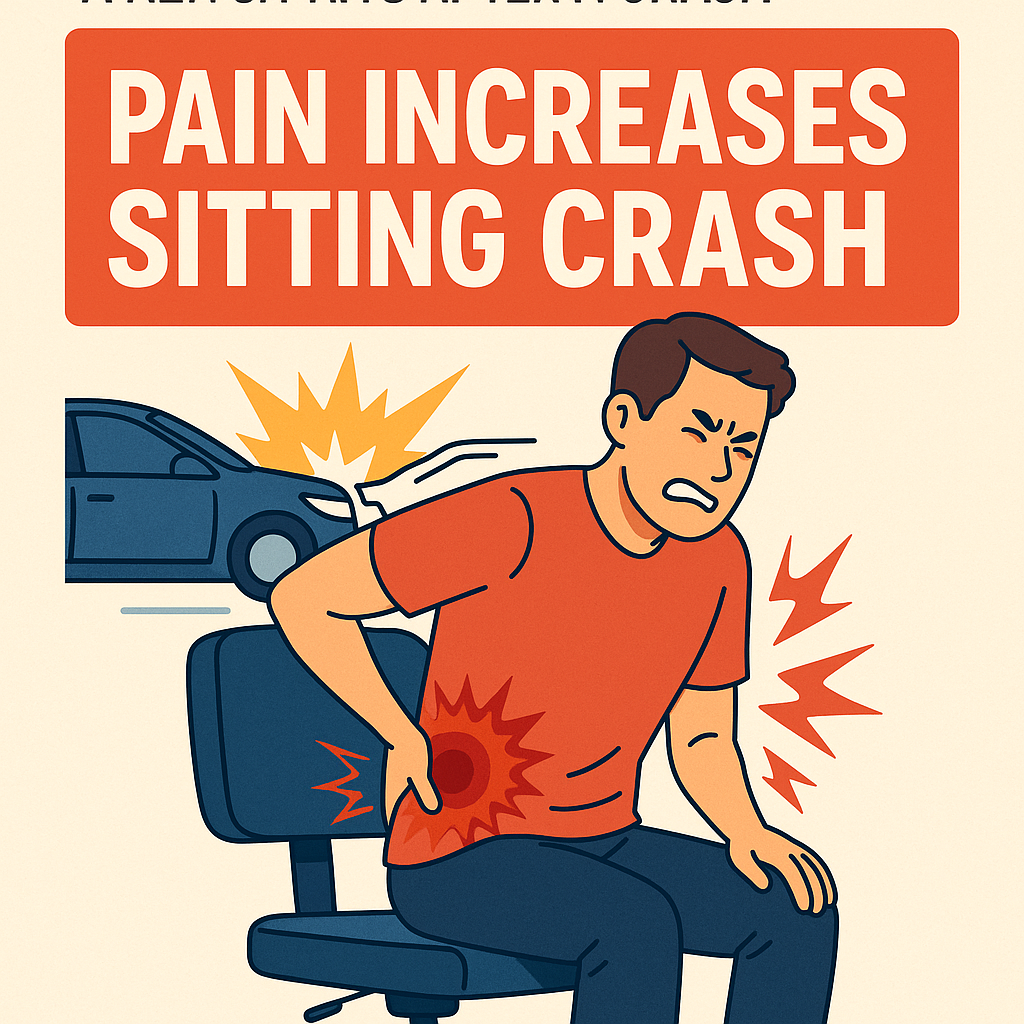
Pain that Increases When Sitting After a Crash
Experiencing discomfort or pain after a vehicle collision can be concerning, especially when the sensation changes with certain activities, such as sitting. Pain that increases when sitting after a crash is a common complaint among those involved in trucking or car collisions. Understanding why symptoms appear, how they might evolve, and how pain responds to different positions can make it easier to monitor personal health after such incidents.
Why Symptoms Can Appear After Truck Accidents
Following a truck accident or any significant crash, the body undergoes a powerful physical and emotional response. The force of the collision can exert sudden pressure on muscles, joints, ligaments, and other soft tissues. Even low-speed impacts may generate enough momentum to jolt the body, sometimes resulting in discomfort that is not immediately obvious.
During a collision, the body’s adrenaline and stress responses might temporarily mask injuries. The human body’s instinct is to prioritize coping with the immediate situation, which can push discomfort to the background. As these hormonal levels return to normal hours or even days later, individuals may become more aware of pain—especially during common activities like sitting.
Additionally, truck accidents often involve larger vehicles and higher momentum, possibly leading to significant jarring, twisting, or compression. The seated position, especially for drivers or passengers in a truck, may further concentrate forces on the lower back, hips, or spine during a crash, establishing the foundation for pain that arises or increases when sitting.
Common Symptom Patterns (No Medical Instructions)
Pain that increases when sitting after a crash can take many forms, and each person may experience symptoms somewhat differently. Although no two situations are the same, several patterns are frequently observed after vehicle collisions:
– Localized discomfort: Some people notice pain mainly in the lower back, hips, or buttocks while sitting. This may be a sharp twinge or a dull ache that intensifies the longer one remains seated.
– Radiating sensations: It is not unusual to experience pain that runs down the legs or spreads to other nearby areas during prolonged sitting after a crash.
– Stiffness: A sensation of tightness or difficulty moving after sitting can arise, especially after being still for extended periods.
– Relief with movement: Some individuals find that standing, walking, or changing positions can temporarily reduce discomfort, highlighting the relationship between posture and pain.
– Delayed onset: Occasionally, people report no immediate discomfort after a crash, but develop pain or increased sensitivity while sitting a few hours or days later.
It’s important to remember that these examples are for informational purposes. Each person’s experience with post-collision symptoms can be highly individualized.
Why Symptoms Can Change Over Time
Symptoms that begin after a crash may not remain constant. Often, they shift or progress as the hours, days, or weeks go by. Several factors contribute to these changes:
– Body’s healing process: The body’s natural healing responses can alter the nature and location of discomfort over time. Swelling, inflammation, and tissue repair processes might result in greater or lesser pain during different activities.
– Postural adjustments: Affected individuals often unconsciously change how they sit, stand, or move to minimize discomfort. While this can provide temporary relief, it may sometimes shift strain to other muscle groups or joints, causing new symptoms to appear.
– Delayed recognition: Initial adrenaline and stress responses can suppress sensations for a while. As these effects wear off, symptoms may become more apparent or change in character.
– Activity level: How much support or rest the body receives in the days following a crash may influence whether symptoms improve, stay the same, or become worse with specific activities like sitting.
This dynamic nature of symptoms after a crash underscores the importance of ongoing self-awareness and regular monitoring of changes.
When People Typically Start Monitoring Symptoms
It is not uncommon for people to pay close attention to how they feel after a collision—sometimes only when new or worsening symptoms appear. Most individuals begin actively monitoring their post-crash experience during these stages:
– Immediately after the accident: Some people become acutely aware of discomfort right away. They may notice pain increases when sitting, standing, or moving in certain ways.
– Several hours to days later: Others may feel fine initially due to adrenaline or mental focus on the accident itself. Once daily activities resume or the body relaxes, new symptoms may surface, prompting closer observation.
– When returning to routine: Resuming normal activities like driving for extended periods, workplace tasks, or exercise can reveal pain that only occurs during specific positions or motions.
– Following advice: Sometimes, people are prompted to observe their symptoms more carefully on the advice of others, such as family, friends, or professionals.
Monitoring symptoms closely—such as noting when pain increases while sitting after a crash—can provide valuable personal insight and help individuals make informed decisions about their overall well-being.
Conclusion
Understanding why pain might increase while sitting after a crash, and how symptoms can develop or evolve, is an important aspect of post-collision awareness. Recognizing that pain and discomfort can emerge or change with time, activity, and posture encourages individuals to remain attentive to their bodies. Although each experience is unique, knowledge of common symptom patterns and monitoring routines helps inform a sensible, proactive approach to health in the aftermath of a crash.