
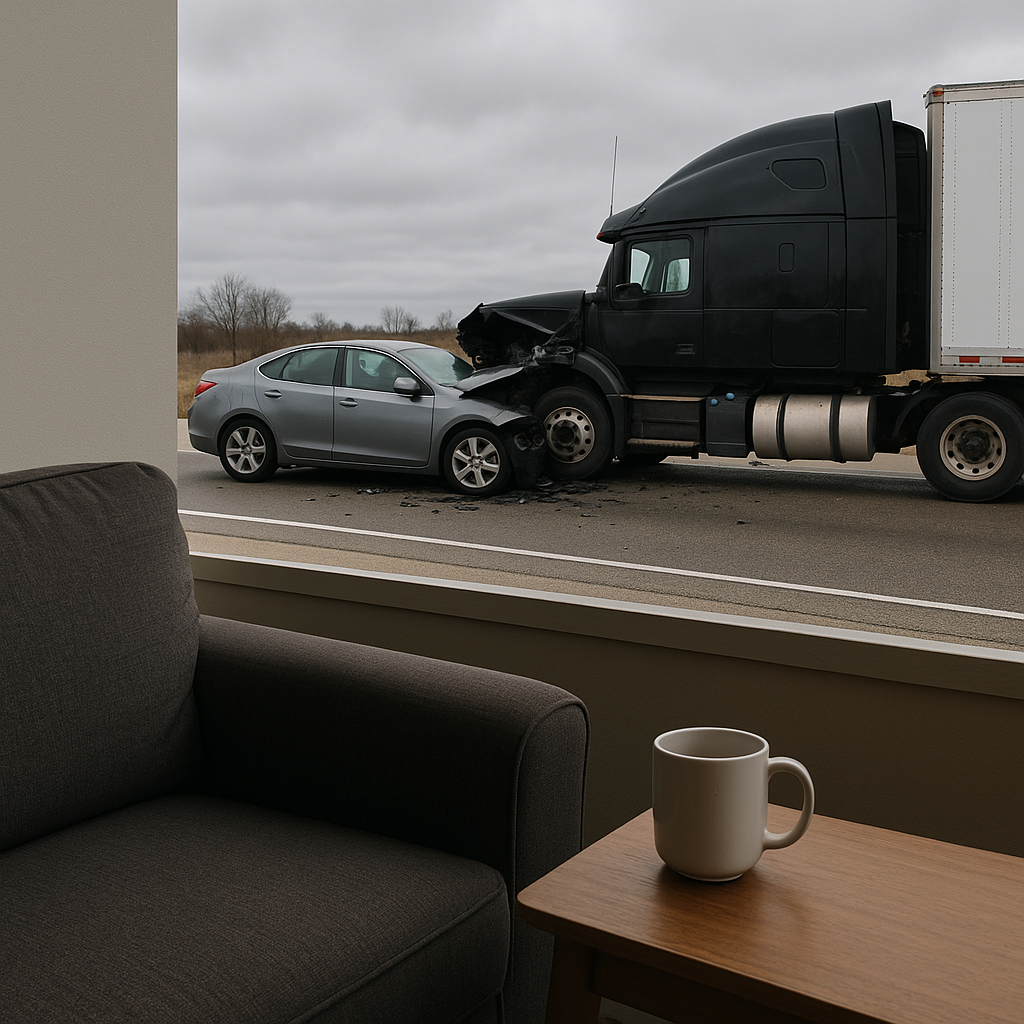
How Daily Coping Evolves After Severe Truck Accidents
Overview of Daily Coping Challenges After Severe Truck Accidents
Experiencing a severe truck accident frequently marks a significant and sometimes life-altering event. The aftermath encompasses more than immediate physical injuries; it can introduce complex emotional, cognitive, and practical challenges that transform everyday life. For survivors, family members, and caregivers, adapting to this new reality often means navigating shifting abilities, routines, and support systems.
Daily coping, both consciously and unconsciously, becomes a crucial component of the recovery journey. Initially, everyday tasks that once seemed mundane—such as personal care, commuting, or even socializing—can now present sizable obstacles. Physical pain, changes in mobility, and psychological stress converge, making simple tasks unexpectedly daunting. Additionally, many individuals contend with changes to employment, home environments, and support networks due to the ongoing impacts of their injuries.
Understanding how daily coping evolves after a severe truck accident provides crucial insight into the lived experiences of survivors. Over time, the strategies and mindsets supporting day-to-day life often shift, reflecting both progress and adaptation to new circumstances.
Common Daily Difficulties
The aftermath of a severe truck accident may introduce a wide range of daily difficulties, including but not limited to:
– Physical Pain and Mobility Limitations: Many individuals experience lingering pain, reduced mobility, or the need for assistive devices, making movement and self-care challenging.
– Fatigue and Exhaustion: Both physical and emotional recovery can result in chronic fatigue that interferes with routine activities.
– Emotional Distress: Feelings such as anxiety, depression, anger, or fear are common, especially when adjusting to major life changes.
– Memory and Cognitive Changes: Traumatic brain injuries or ongoing stress may impact memory, concentration, and problem-solving abilities.
– Sleep Disturbances: Pain, stress, or medication side effects can interrupt sleep patterns, further affecting daytime functioning.
– Reduced Social Engagement: Some individuals find it harder to maintain friendships or participate in social events due to self-consciousness, physical constraints, or emotional withdrawal.
– Challenges with Employment or Education: Returning to previous roles at work or school may be complicated by physical or cognitive limitations.
– Dependency on Others: Shifting from independence to relying on family members, caregivers, or community services can be emotionally and logistically challenging.
– Financial Stress: Lost wages, medical bills, and other related expenses often introduce an additional layer of worry.
Practical Coping Systems People Often Use
Amid these difficulties, survivors of severe truck accidents typically develop practical and psychological coping systems. These methods are not uniform; instead, they reflect the unique circumstances and personalities of each individual. Over time, people may adapt, adopt, or abandon coping systems as their needs and capacities evolve.
– Relying on Support Networks: Family members, friends, and support groups often provide emotional and practical assistance, from helping with household tasks to offering companionship and understanding.
– Routine Adaptations: Many survivors reconfigure their daily routines around new physical abilities, energy levels, or scheduled therapy sessions to create predictability and manage fatigue.
– Adaptive Technologies and Tools: The use of mobility aids, memory supports (like notes or apps), or adaptive home modifications help individuals maintain independence.
– Mindfulness and Emotional Processing: Some utilize mindfulness practices, journaling, or creative outlets to process emotions, build resilience, and find moments of calm.
– Engagement with Healthcare Professionals: Ongoing consultations with doctors, therapists, and counselors generally form a core part of managing symptoms and adjusting coping plans.
– Community Engagement: Participating in community activities, volunteering, or peer-led support groups can renew a sense of purpose and connection.
– Goal Setting: Establishing short-term and realistic goals—academic, vocational, or personal—in light of new circumstances can help maintain motivation and a sense of accomplishment.
These coping systems often overlap and fluctuate; survivors may lean more heavily on one method at certain times, then adopt new approaches as they recover or as new challenges emerge.
How Coping Improves Gradually Over Time
The evolution of daily coping after a severe truck accident is seldom linear. Initial stages are often characterized by uncertainty, frustration, and a sharp awareness of limitations. In the weeks and months following the accident, many individuals report feeling overwhelmed by both the visible and invisible changes to their lives.
Gradually, small gains—whether measured in improved mobility, clearer thinking, or even small moments of emotional stability—become more noticeable. For some people, regaining the ability to perform a previously routine task, like preparing a simple meal or taking a short walk, stands as a powerful milestone. These advances frequently inspire increased confidence and a renewed commitment to rehabilitation.
Similarly, emotional adaptation tends to progress in subtle ways. Individuals often report a growing ability to recognize and cope with complex emotions; moments of sadness or frustration may still occur, but they no longer dominate daily life. Over time, the reliance on initial support mechanisms may decrease as individuals develop greater self-efficacy and resourcefulness.
Another marker of progress occurs as individuals recalibrate their personal expectations. Many survivors shift from striving to return to their exact pre-accident selves, towards embracing a new version of daily life that incorporates both their strengths and limitations. This acceptance—sometimes slow in coming—can itself be a form of coping, as it reduces internal struggle and opens the way for new goals and forms of fulfillment.
The role of adaptation is further highlighted when examining social and occupational reintegration. Activities that once seemed impossible may gradually return to reachability, and the act of participating—despite potential limitations—often fuels psychological recovery. Engaging in meaningful roles, whether as an employee, volunteer, or active family member, typically marks significant progress in daily coping.
Overall, the trajectory of coping improvement is shaped by a blend of personal, medical, and social factors. There is no set timeline, and progress differs widely; however, over the course of months and years, many people find their coping systems become increasingly sophisticated and tuned to their lived realities.
Neutral Closing Paragraph
The journey of how daily coping evolves after a severe truck accident is both highly personal and shaped by external contexts. While each survivor faces distinctive challenges, the gradual shift in coping methods—from immediate recovery efforts to long-term adaptation—reflects the resilience and complexity of the human response to trauma. Observations in this area highlight not a uniform path, but a diverse range of strategies and timeframes, underscoring the individual nature of post-accident adjustment.