
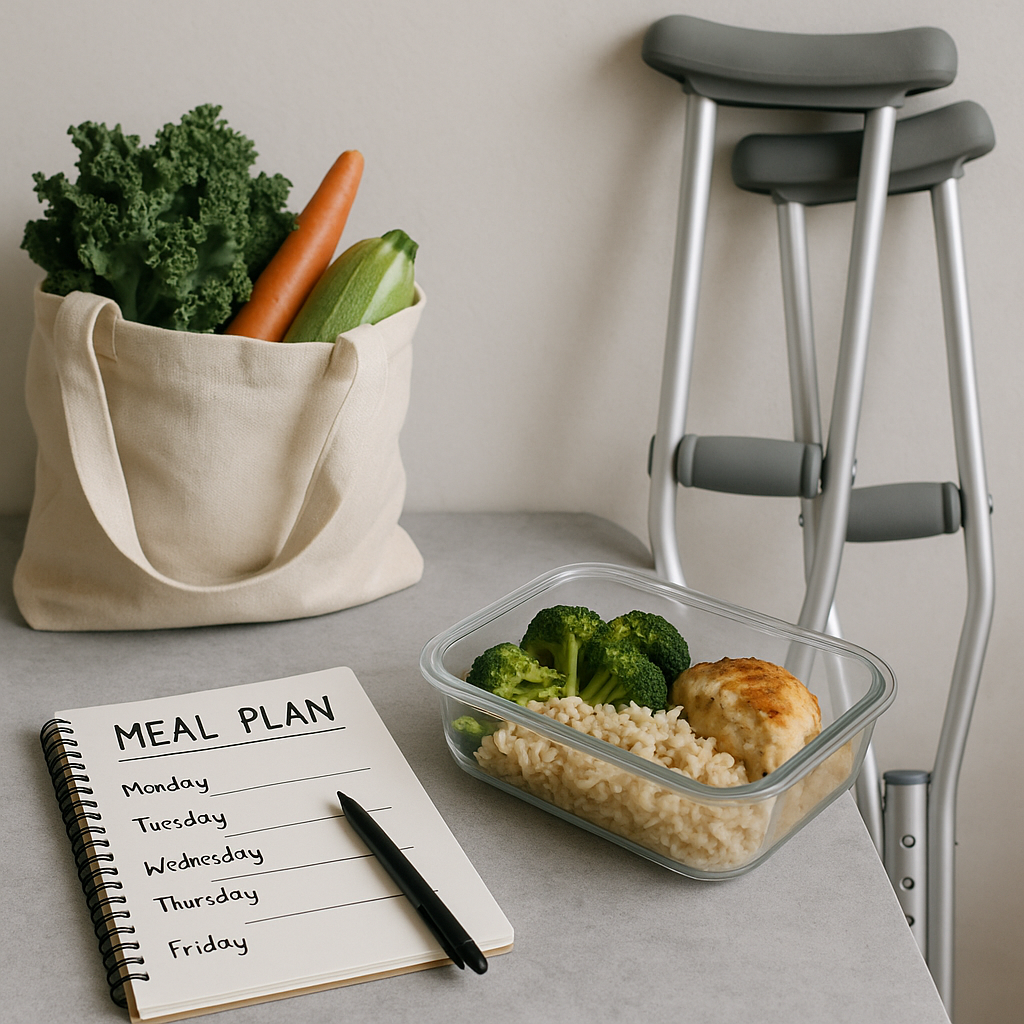
Managing Meal Planning During Recovery
Overview of Daily Coping Challenges After Severe Truck Accidents
Severe truck accidents often result in significant injuries, and the recovery process can be long and demanding. Beyond visible injuries, those affected commonly experience disruptions in everyday life, particularly tasks that once seemed simple, such as planning and preparing meals. The act of managing meal planning during recovery frequently becomes an unforeseen challenge as physical limitations, emotional fluctuations, and cognitive changes converge.
Adapting to temporary or even permanent changes in ability can make ordinary routines, like eating and cooking, more complex. For many, a formerly automatic aspect of life must be approached with careful intention, and adaptations may be necessary. Each step of meal planning can be a point of friction—ranging from grocery shopping to actual food preparation, to simply ensuring adequate nutrition during the healing process. These challenges are compounded by the emotional toll that can accompany trauma, such as frustration at lost independence, and difficulties in managing fatigue or medication side effects that affect appetite.
Understanding the nuances of these daily difficulties highlights how crucial meal planning becomes during recovery. It is not merely a matter of nourishment; it becomes part of a broader coping landscape, playing a vital role in both physical healing and emotional well-being.
Common Daily Difficulties
People recovering from severe truck accidents often report a spectrum of meal planning challenges that affect their daily routines, including:
– Limited mobility: Injuries may restrict standing, reaching, or bending, impacting the ability to shop for groceries, cook, or manage kitchen tools.
– Fatigue and low energy: Recovery frequently entails chronic tiredness, making complex meal preparation tasks seem overwhelming.
– Cognitive impacts: Some individuals experience memory issues, trouble with concentration, or processing new information, which complicates planning and executing meals.
– Pain or discomfort: Persistent pain can amplify the strain involved in meal preparation, decreasing the motivation to cook or eat.
– Appetite changes: Medications, emotional stress, or the injuries themselves may suppress or alter appetite, making it difficult to maintain regular nutritional intake.
– Emotional distress: Feelings of frustration, sadness, or anxiety can reduce the desire or ability to engage in self-care habits like meal planning.
– Dependency on others: Recovery may necessitate relying on family, friends, or caregivers for shopping, meal preparation, and cleanup, which can be emotionally and logistically challenging.
– Financial strain: Medical expenses and limited ability to work can alter food budgets, affecting the types and quality of food available for meal planning.
These difficulties often overlap and can change from day to day, adding unpredictability and requiring ongoing adjustment as recovery unfolds.
Practical Coping Systems People Often Use
In response to these challenges, individuals and their support networks develop creative coping systems to manage meal planning during recovery. Some commonly observed approaches include:
– Meal delivery and convenience foods: The use of grocery delivery services, prepared meal subscriptions, and ready-to-eat foods becomes more prevalent, reducing the physical demands of shopping and cooking.
– Support from friends and family: Loved ones often take turns preparing food, setting up meal trains, or assisting with shopping and kitchen organization.
– Meal simplification: Many opt for recipes with fewer steps or minimal ingredients, focusing on simplicity while still aiming for balance and nutrition.
– Batch cooking and leftovers: Preparing larger quantities when energy permits, then storing leftovers, allows for easier access to meals throughout the week.
– Adaptive kitchen tools: Tools designed for limited mobility or strength—such as electric can openers, grabber reachers, or adaptive utensils—may be employed to regain a sense of autonomy in meal preparation.
– Flexible eating schedules: Some discover that eating smaller, more frequent meals, rather than adhering to traditional meal times, better accommodates fluctuations in appetite or energy.
– Written reminders and plans: Maintaining lists, calendars, or using smartphone apps helps counteract memory lapses or organizational difficulties.
– Outsourcing certain tasks: When resources allow, hiring professional caregivers or leveraging community food programs can offload the burden of meal preparation.
Each of these strategies reflects an adaptive capacity to adjust to new limitations or uncertainties. Whether informal or systematic, these coping mechanisms not only address practical needs but also help support broader emotional and psychological resilience during recovery.
How Coping Improves Gradually Over Time
Adaptation is a critical aspect of recovery following a significant trauma, and the process of managing meal planning typically changes as healing progresses. Most individuals report that initial challenges—marked by acute limitations and heavy reliance on others—often give way to incremental improvements. Increased independence in the kitchen becomes possible through regaining mobility, building endurance, and finding new ways to compensate for lingering deficits.
Over time, people frequently develop a heightened awareness of what works best for their evolving situation. What begins as an improvised system may solidify into a routine, with flexibility built in for daily fluctuations in health. Emotional adaptation also tends to improve; as confidence grows and frustration diminishes, individuals often report greater satisfaction in reclaiming aspects of their daily routines, including the ability to participate in meal selection or preparation.
Support structures, both formal and informal, tend to adjust as recovery continues. For instance, family or community assistance may transition from preparing full meals to simply supporting transportation or grocery shopping, marking incremental advances in the individual’s functional capacity.
The progressive restoration of meal planning abilities serves as a tangible indicator of broader recovery milestones. As people recognize their progress—no matter how small—the experience can foster a sense of accomplishment and reinforce continued engagement with other self-care routines.
Conclusion
Managing meal planning recovery after a severe truck accident encompasses a range of challenges, from physical limitations to emotional and cognitive hurdles. These experiences often lead to the adoption of practical coping systems tailored to individual needs and circumstances. Over time, gradual improvements in both functional ability and emotional adjustment are common, reflecting the dynamic nature of recovery. Awareness of these processes can promote empathy and understanding, highlighting the complex journey many face in reestablishing routines around such a basic, yet vital, aspect of daily life.