
Managing Daily Hygiene Challenges After Injuries
Overview of Daily Coping Challenges After Severe Truck Accidents
The aftermath of a severe truck accident often extends well beyond initial medical treatment, impacting the most basic aspects of daily life. Among these, maintaining personal hygiene can become an unexpectedly formidable challenge. When injuries limit movement or dexterity, tasks that once seemed automatic—such as showering, brushing teeth, or dressing—can require significant adaptation and effort. Hygiene challenges during daily recovery add complexity to an already demanding healing process.
Individuals recovering from traumatic injuries may experience physical constraints, pain, or fatigue that affect their ability to perform routine hygiene activities. Emotional factors, such as frustration or embarrassment, can further complicate the situation. These hurdles are compounded in cases where assistive devices, wound care, or ongoing therapy are involved. Understanding the scope of daily difficulties and the practical coping systems people employ can illuminate the paths individuals follow toward gradual improvement and increased independence.
Common Daily Difficulties
For many recovering from serious injuries, the following obstacles commonly arise during daily hygiene routines:
– Reduced Mobility: Limited range of motion in the arms, legs, neck, or back may make it difficult to reach or wash certain body parts.
– Impaired Balance: Dizziness, weakness, or instability may increase the risk of falls during bathing or moving around the bathroom.
– Restricted Grip Strength: Injuries affecting the hands or wrists can hinder the ability to hold and manipulate hygiene products or grooming tools.
– Pain and Discomfort: Surgical sites, fractures, or soft tissue injuries can make certain movements uncomfortable or unsafe.
– Medical Devices: The presence of splints, casts, bandages, or external fixtures may obstruct conventional cleaning routines.
– Wound Care Requirements: Open wounds or surgical incisions sometimes require specialized cleaning, complicating ordinary bathing practices.
– Fatigue: Reduced stamina or rapid exhaustion can limit the timeframe available for hygiene tasks.
– Emotional Barriers: Feelings of embarrassment, frustration, or dependence may discourage attempts at independent hygiene or increase reluctance to accept assistance.
– Environmental Access: Standard home bathrooms may lack modifications such as grab bars, seating, or accessible shower stalls, presenting additional obstacles.
Practical Coping Systems People Often Use
In response to these challenges, individuals and their caregivers frequently develop systems to simplify hygiene routines, conserve energy, and ensure safety. The approach taken typically varies according to the nature of the injuries, available resources, and personal preferences. Some commonly observed coping methods include:
– Task Modification: Simplifying hygiene routines by focusing on essential steps, reducing frequency, or breaking tasks into smaller, manageable segments.
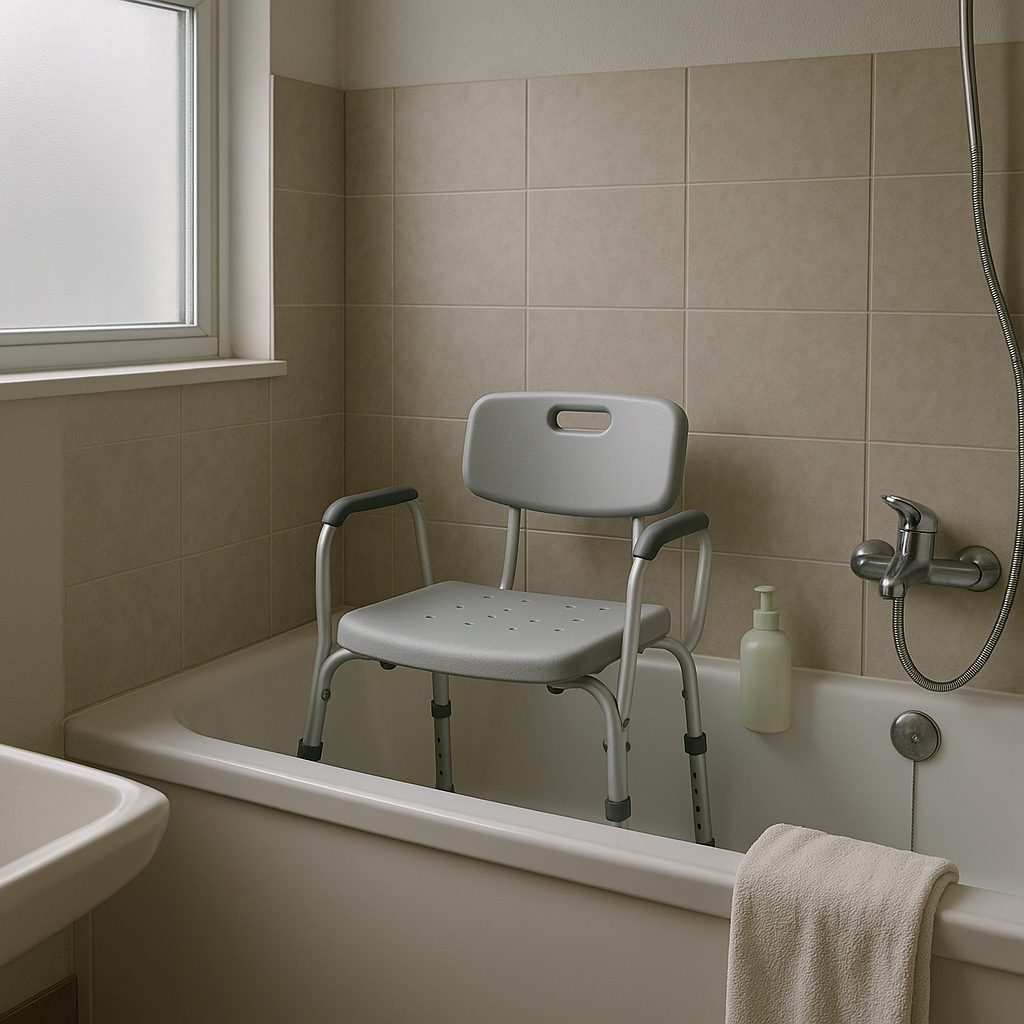
– Adaptive Equipment: Utilizing long-handled sponges, shower chairs, non-slip mats, or hand-held showerheads to minimize physical strain and maximize safety.
– Scheduled Assistance: Relying on the help of family members, caregivers, or professional aides during specific hygiene activities, especially for wound care or tasks requiring greater dexterity.
– Environmental Adjustments: Temporarily adapting the home bathroom or using portable basins and hygiene kits in more accessible areas of the house.
– Dry Hygiene Methods: Using no-rinse cleansers, wipes, or foams when showering or bathing is impractical due to mobility restrictions or wound considerations.
– Energy Conservation: Planning hygiene activities during periods of higher energy levels, and incorporating rest breaks to minimize fatigue.
– Routine and Consistency: Maintaining structured routines, which can provide stability and help reduce stress associated with unpredictability.
– Protective Measures: Covering injuries or medical devices with waterproof dressings or shields to prevent contamination during washing.
– Discreet Support Tools: Opting for subtle aids, such as electric toothbrushes or adaptive combs, which can enhance independence without drawing undue attention.
These coping systems are often developed through personal experience, experimentation, and encouragement from healthcare professionals. Over time, individuals refine their approaches to suit their evolving needs, comfort, and recovery progress.
How Coping Improves Gradually Over Time
The journey from dependence to greater autonomy in daily hygiene is marked by incremental progress. As the body heals, physical functions often return gradually—mobility increases, pain diminishes, and energy levels recover. With these changes, individuals find they can take on more of their daily care independently or with minimal help.
Adaptation also occurs on a psychological level. Confidence in managing personal needs can grow as techniques are mastered or new equipment becomes familiar. The environment itself often evolves; bathroom modifications, temporary supports, and household routines may be adjusted to reflect improving capability and shifting requirements.
Milestones on the path to improved daily hygiene might include the ability to shower or bathe without assistance, greater comfort in caring for wounds, or simply regaining the dexterity needed for tasks such as shaving or styling hair. While setbacks can occur—due to complications, fatigue, or emotional challenges—the overall trajectory for many people is one of positive change.
Restoration of hygiene independence is rarely a linear process. Progress can fluctuate week by week, influenced by variable factors such as pain, sleep quality, and rehabilitation schedules. Nevertheless, the cumulative effect of perseverance and adaptive strategies often leads to renewed confidence and a sense of normalcy regarding personal care routines.
Neutral Closing Paragraph
Navigating the hygiene challenges of daily recovery after injury is a multifaceted process shaped by individual circumstances, support systems, and adaptive strategies. Over time, what begins as a profound difficulty can become an integrated aspect of the recovery journey. Although the challenges may be significant, they often prompt resilience, creativity, and collaboration—qualities that serve individuals well as they progress toward restored independence and well-being.