
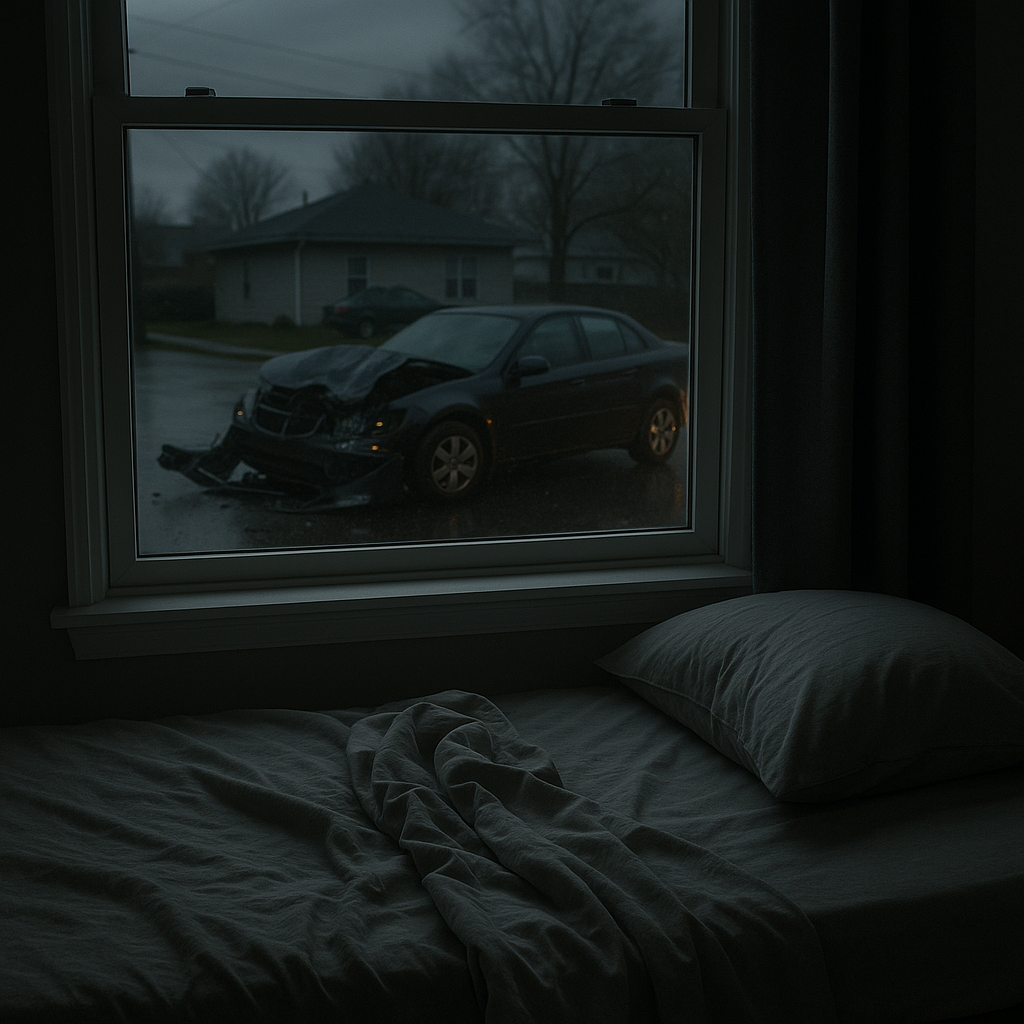
Why Trauma Causes Insomnia After Crashes
Recovering from an accident can be physically grueling, but the hidden emotional impact often lingers just as powerfully. For many survivors, sleep becomes elusive, restless, or disrupted in the weeks and months afterward. Why does trauma cause insomnia after a crash, even when the physical wounds are healing? Understanding the connection between traumatic stress and sleep problems sheds light on a common struggle—and highlights the importance of patient recovery after such events.
Overview of Stress and Sleep Disruption After Trauma
A car accident, or any significant crash, often triggers intense emotional responses alongside physical injury. The crash itself can be terrifying, and after the event, many people find themselves replaying scenes, experiencing nightmares, or feeling constantly on edge. This heightened state of alertness is not simply “nerves”—it’s a result of the body’s natural survival mechanisms getting stuck in overdrive. These changes, intertwined with psychological responses, powerfully impact the body’s ability to rest.
Sleep relies on the body’s ability to feel safe enough to let down its guard. After a traumatic event, however, the brain’s alarm system, the amygdala, may remain on high alert, continuing to release stress hormones like adrenaline and cortisol. This ongoing tension disrupts the body’s natural wind-down process needed for healthy sleep. It’s a key reason why trauma causes insomnia after a crash: the mind and body are simply not ready to relax deeply.
Common Sleep-Related Issues People Report
Survivors of accidents often report a range of sleep disturbances. These can include:
– Difficulty falling asleep: Lying awake, mind racing with memories of the crash, future worries, or generalized anxiety.
– Frequent awakenings: Disturbed sleep with repeated waking due to nightmares, discomfort, or a vague sense of unease.
– Nightmares and flashbacks: Vivid dreams or intrusive recollections of the accident, which can be startling or distressing.
– Non-restorative sleep: Even if asleep for many hours, waking up feeling unrefreshed and fatigued.
These symptoms are interrelated. The fear, distress, or anxiety stemming from the event can bleed into dream content and the body’s physiological state, making deep, restful sleep hard to achieve. Such issues often persist even when physical injuries have healed, underscoring the way psychological trauma impacts recovery.
Stress Cycle Effects on Energy and Focus
The aftereffects of trauma set off a cycle of stress that affects not only nighttime rest but also daytime functioning. When stress hormones stay elevated over time—a common scenario after serious accidents—the nervous system remains in a heightened state of alertness.
This “hyperarousal” manifests in several ways:
– Daytime fatigue: Poor-quality sleep at night leaves survivors feeling drained throughout the day.
– Trouble concentrating: The mind may wander, attention spans can shrink, and focusing on tasks becomes challenging.
– Mood changes: Increased irritability, sadness, or jumpiness may emerge as sleep loss compounds emotional strain.
These stress responses further disrupt the delicate balance needed for a healthy sleep cycle. As exhaustion grows, people sometimes try to “make up” for lost sleep with odd nap times or irregular bedtimes—moves that can fragment the sleep-wake cycle and create an ongoing pattern of insomnia.
How Sleep Patterns Evolve During Recovery
While sleep disruption after trauma can feel never-ending, sleep patterns often evolve as the mind and body move toward healing. At first, the shock of the event may bring intense insomnia or distressing dreams. Over time, as people process what has happened, the acute phase may give way to more manageable symptoms.
Some find that:
– Sleep gradually improves: As stress levels drop and a sense of safety is reestablished, the nervous system may begin to “switch off” more easily at night.
– Dreams shift: Nightmares may become less frequent or less vivid, replaced by more typical dreams.
– Routine helps: Reestablishing daily patterns, such as regular bedtimes and calming pre-sleep routines, often supports this natural recovery.
However, the timeline for improvement varies widely among individuals. Lifestyle changes, emotional support from family or friends, and patience with oneself all contribute to a smoother transition back to healthier sleep. Importantly, sleep disturbance does not mean a person is weak or failing to “get over” the trauma—it is a natural response to a very real event.
Neutral Closing Paragraph
Crashes and traumatic accidents disrupt more than our bodies—they tangibly affect the mind, emotions, and the simple human need for rest. Understanding why trauma causes insomnia after a crash helps explain the persistent sleep struggles that so many survivors experience, even in the absence of visible injuries. With time, support, and gentle self-care, many people find their way back to steadier sleep. Recognizing the genuine impact of trauma on sleep is a key step in supporting those on the road to recovery.