
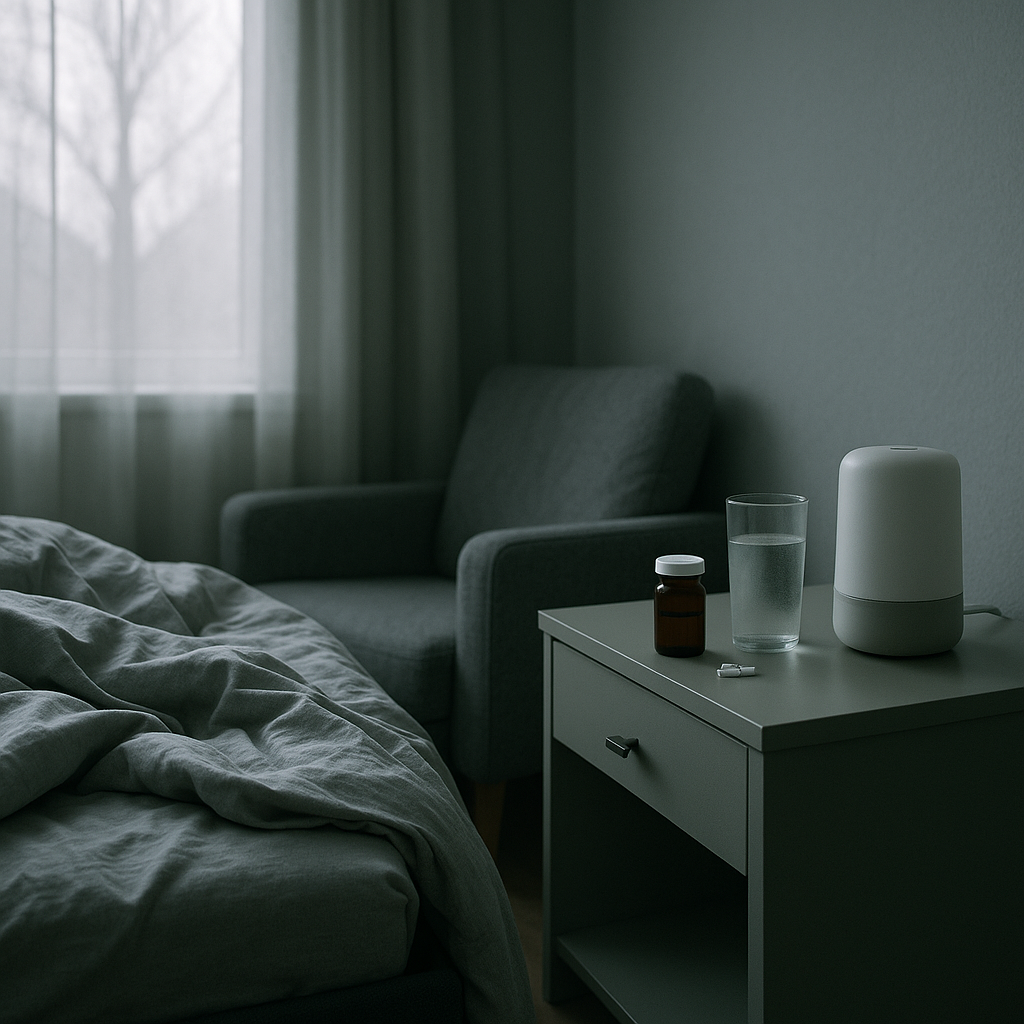
Why Sleep Makes Pain Feel Worse the Next Day
Experiencing pain is challenging enough, but many people notice that pain is most intense—or at least feels more difficult to manage—after a poor night’s sleep. The phrase “sleep makes pain worse next day” is a common lament for those recovering from injuries, surgeries, or even daily aches. But why does sleep (or the lack of it) seem to amplify our discomfort? The connection between rest, pain perception, and recovery is not just anecdotal; it’s a well-documented phenomenon shaped by stress, biology, and the complex way our bodies recover.
Overview of Stress and Sleep Disruption After Trauma
After a physical or emotional trauma—ranging from an injury to a startling life event—our bodies and minds enter a heightened state known as the stress response. During this period, stress hormones like cortisol and adrenaline flood the system, preparing us to react quickly. While this process is designed for short-term survival, persistent stress interferes with crucial restorative functions, especially sleep.
Sleep, ideally, is a time for healing and renewal. When we’re stressed or anxious, however, sleep can become shallow or fragmented. Research has shown that individuals with increased stress or recent trauma often spend less time in deep, restorative sleep stages. These are the stages most closely linked with pain modulation, tissue repair, and emotional regulation.
When sleep is disrupted, not only does pain persist, but the body’s perception of pain also changes. It turns out that the brain’s control centers for sleep and pain overlap significantly. This means that poor sleep can amplify pain signals, making even mild discomfort feel more severe.
Common Sleep-Related Issues People Report
Those recovering from injuries or dealing with chronic pain commonly report a range of sleep-related issues, including:
– Difficulty falling asleep: Pain itself can make it hard to get comfortable or settle into sleep.
– Frequent awakenings: Discomfort or tension often wakes people during the night.
– Restless sleep: Tossing and turning to find a pain-free position fragments sleep quality.
– Daytime sleepiness: Poor sleep leads to grogginess, impacting both mood and resilience.
Notably, sleep makes pain worse next day for many because disrupted rest means the nervous system doesn’t have the chance to recalibrate. Studies have shown that people who experience even one night of insufficient sleep are more sensitive to pain stimuli the following day. This heightened sensitivity can turn minor aches into major sources of distress.
Stress Cycle Effects on Energy and Focus
It’s not just the direct relationship between sleep and pain that’s problematic. Stress and pain, in concert, form a feedback loop that affects our waking lives in subtle but significant ways. When someone is sleep-deprived and in pain, they often find themselves:
– Struggling to concentrate or remember information
– Feeling irritable or emotionally drained
– Lacking the energy to perform daily activities
These symptoms compound each other. For example, tossing and turning due to pain leads to fatigue, which, in turn, makes it harder to cope with stress during the day. Heightened stress builds up, making it even more difficult to sleep well the next night. The brain’s focus and decision-making centers, which rely on high-quality rest to reset, become less efficient. This creates a cycle where poor sleep and pain reinforce one another, making recovery feel slower or even stagnant.
How Sleep Patterns Evolve During Recovery
Fortunately, the way sleep and pain interact can change as the body heals and recovers. Immediately after trauma or during periods of high stress, people commonly experience increased sleep disruptions. Over time, as the physical injury mends or as emotional distress lessens, normal sleep patterns can return. During this recovery phase, several trends may appear:
– Gradual increase in deep sleep: As pain decreases, people can spend more time in the restorative stages of sleep.
– Improved sleep continuity: Fewer awakenings and less tossing and turning.
– Better energy levels: As sleep quality rebounds, pain may feel less overwhelming and easier to manage.
– Heightened resilience: With more restorative sleep, the body becomes better equipped to cope with discomfort, reducing the impact of pain on daily life.
It’s important to note that recovery is rarely linear. Good nights and bad nights can alternate, and certain factors—such as new stressors or changes in routine—can disrupt sleep patterns temporarily. The key insight is that as sleep improves, so does the body’s capacity to regulate pain and stress.
Neutral Closing Paragraph
In summary, the belief that “sleep makes pain worse next day” is rooted in the complex ways that disrupted rest magnifies the body’s response to discomfort. From the immediate aftereffects of trauma and stress to the slow reestablishment of healthy sleep habits, these interactions underscore the importance of rest in the healing journey. By understanding the links between stress, sleep, and pain, individuals can better appreciate the gradual, often unpredictable nature of recovery, setting realistic expectations for their own progress and well-being.