
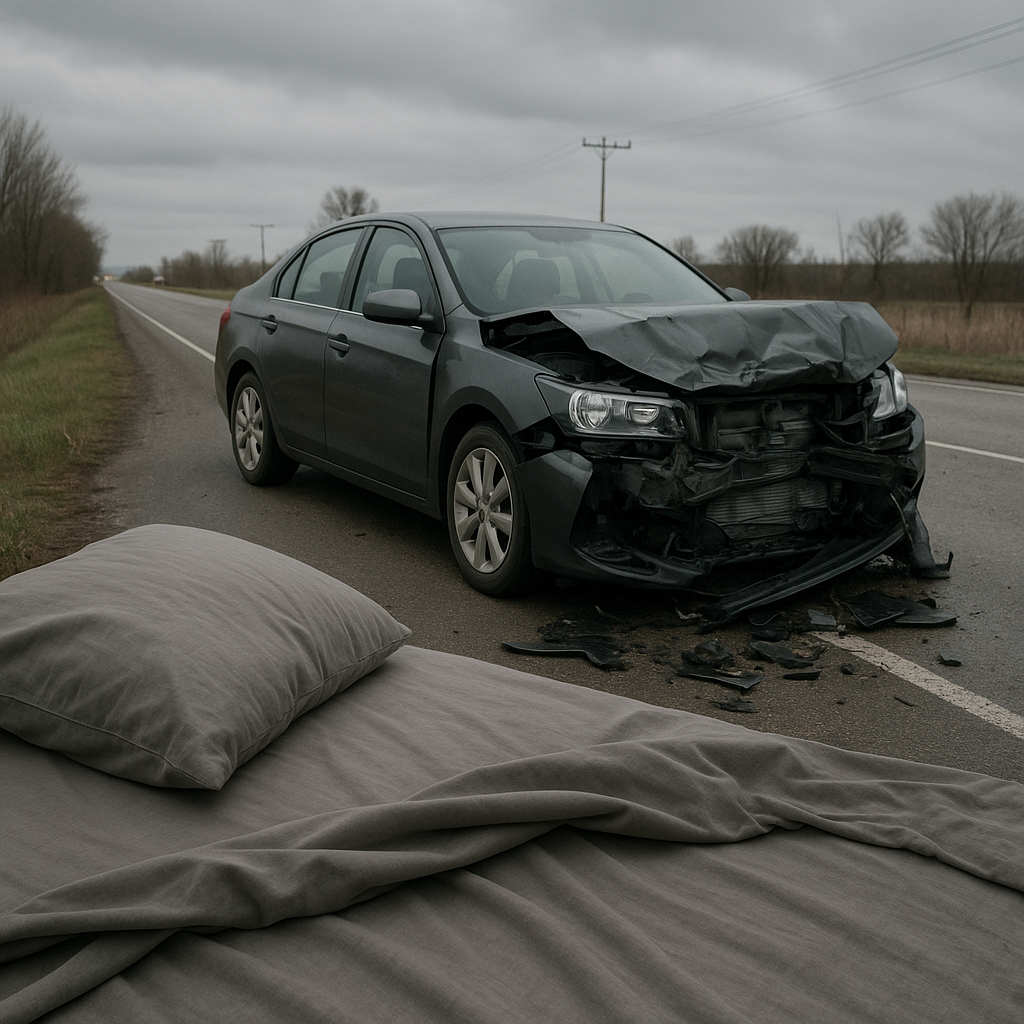
Why Sleep Becomes a Major Recovery Issue
Sleep is universally recognized as a cornerstone of recovery—whether from physical illness, psychological stress, or difficult life events. Yet, one of the most common challenges people face after trauma or periods of intense stress is achieving restful, restorative sleep. Understanding why sleep becomes a major recovery issue helps us appreciate the complexity of the mind-body connection and the path to holistic healing.
Overview of Stress and Sleep Disruption After Trauma
Trauma, loss, or ongoing stress initiates a cascade of emotional and physiological responses—all of which can disrupt normal sleep patterns. Stress activates the body’s internal “alarm system,” involving hormones like cortisol and adrenaline. These adaptive responses are essential for immediate safety, but they can also interfere with the natural rhythms needed for relaxation and sleep.
When the brain perceives a threat, it prioritizes survival functions. Sleep, seen as a vulnerable state, is deprioritized in favor of vigilance. This shift may be useful in a dangerous situation but problematic in daily life after the danger or intense stress has passed. People may find themselves feeling “wound up” at bedtime or waking up frequently during the night.
The impact of trauma on sleep can persist long after the initial threat is gone, making sleep a major recovery issue for many individuals. This ongoing disruption can complicate emotional and physical recovery, setting up a frustrating cycle.
Common Sleep-Related Issues People Report
Sleep disturbances after stress or trauma can appear in many forms, each affecting recovery in different ways. Common sleep issues people describe include:
1. Difficulty Falling Asleep:
Intrusive thoughts, worries, or flashbacks can make relaxation elusive. Many individuals find their minds racing as soon as they attempt to lie down, making it hard to drift off.
2. Trouble Staying Asleep:
Frequent awakenings throughout the night are a hallmark complaint. These may be triggered by nightmares, physical tension, or the body’s persistent state of alertness.
3. Waking Up Too Early:
Some people experience early-morning awakenings and are unable to return to sleep, often accompanied by feelings of anxiety or dread regarding the coming day.
4. Restless or Nonrestorative Sleep:
Even if sleep duration is technically adequate, many report awakening feeling unrefreshed, as if sleep was not deep or restorative.
5. Nightmares and Vivid Dreams:
Disturbing dreams or nightmares are particularly common after traumatic experiences. These can jolt people awake and leave lingering anxiety that persists into the day.
Each of these issues can create frustration and reduce overall well-being, emphasizing why sleep becomes a major recovery issue following trauma or significant stress.
Stress Cycle Effects on Energy and Focus
Lack of sleep sets off a feedback loop that touches every aspect of daily life. Poor sleep reduces physical energy, impairs cognitive function, and clouds emotional regulation. The body’s need for repair and memory consolidation is cut short, and the brain’s ability to process new experiences or stresses becomes compromised.
This diminished capacity creates new stress, feeding back into the original cycle:
– Insufficient sleep makes it harder to manage daytime stressors,
– Leading to increased worry and hyperarousal at night,
– Resulting in even less restful sleep.
People often notice that not only is it harder to concentrate or remember things, but mood swings and irritability become more common. The cycle reinforces itself without intervention, highlighting the importance of prioritizing sleep as part of the recovery process.
How Sleep Patterns Evolve During Recovery
Just as sleep is disrupted in the aftermath of trauma or prolonged stress, it tends to change as an individual recovers. At first, sleep variation is common—periods of adjustment can take weeks or months as the body and mind restore a sense of safety.
In early stages, individuals often vacillate between restless nights and deep, prolonged sleep. As feelings of safety increase and the nervous system recalibrates, these extremes may gradually level out. Over time, the recurrence of intrusive memories or stress-related thoughts tends to decrease, creating more opportunities for restful sleep.
It is not uncommon for sleep patterns to remain fragile for a while. Minor stressors or reminders of the trauma may briefly disrupt sleep, but the ability to regain healthy patterns improves as recovery progresses. This slow, uneven return illustrates why sleep is a major recovery issue—not just a symptom of distress, but a fluctuating process intertwined with healing itself.
Awareness and gentle attention to sleep patterns, without self-judgment, can support this evolution. Small improvements in sleep often precede noticeable progress in daytime energy and mood—reminding individuals that recovery is a gradual, holistic journey.
Neutral Closing Paragraph
Ultimately, sleep is both a barometer and an active ingredient in healing after stress or trauma. The disruptions and challenges people face with sleep underscore its importance as a major recovery issue. While regaining restful sleep can take time, understanding these patterns and their underlying mechanisms can nurture compassion and patience for oneself and others navigating recovery. Recognizing the central role of sleep sets a strong foundation for rebuilding well-being, step by step.